Orthopedic Surgery Instruments Guide

Get a Free Quote

Our representative will contact you soon.
Email
Name
Company Name
Message
0/1000

orthopedic surgery instruments

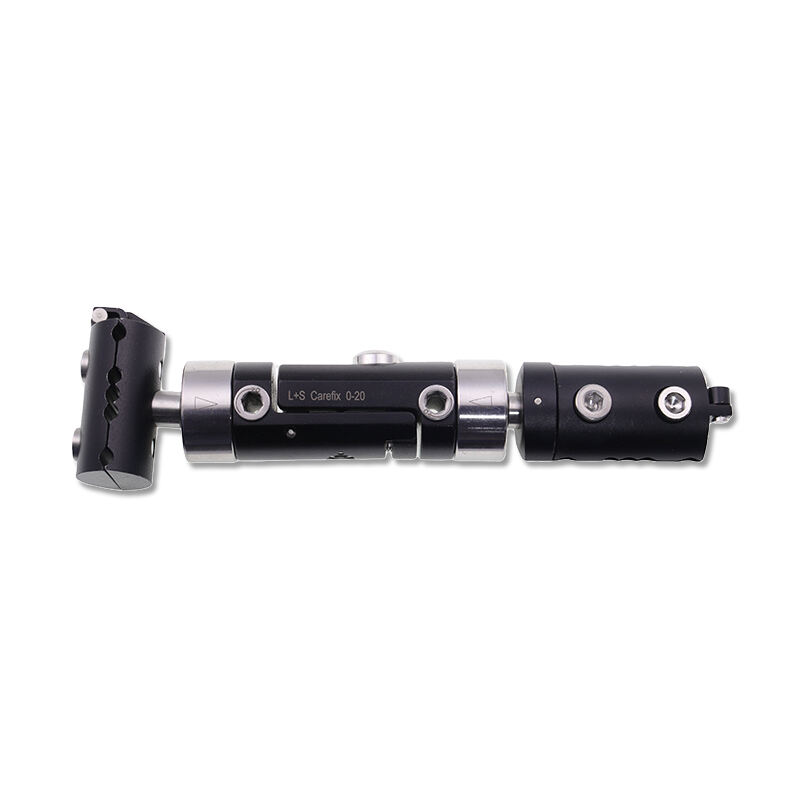
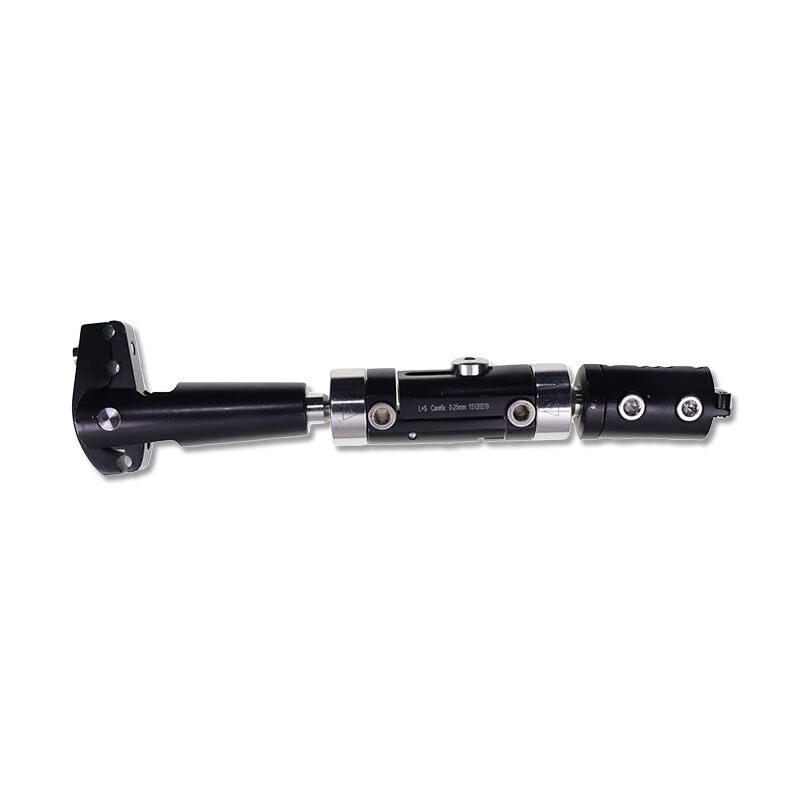
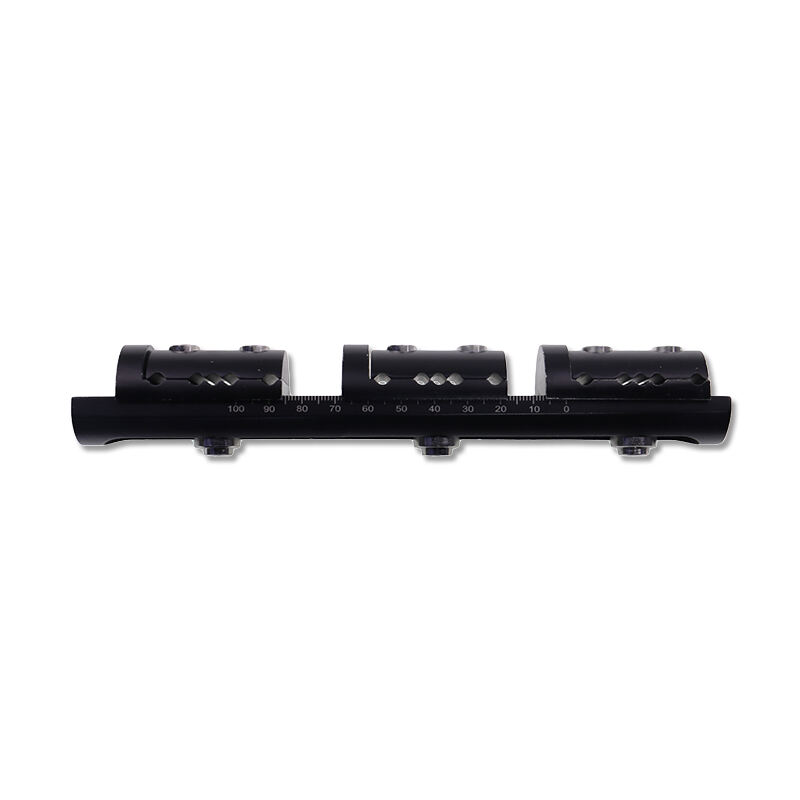
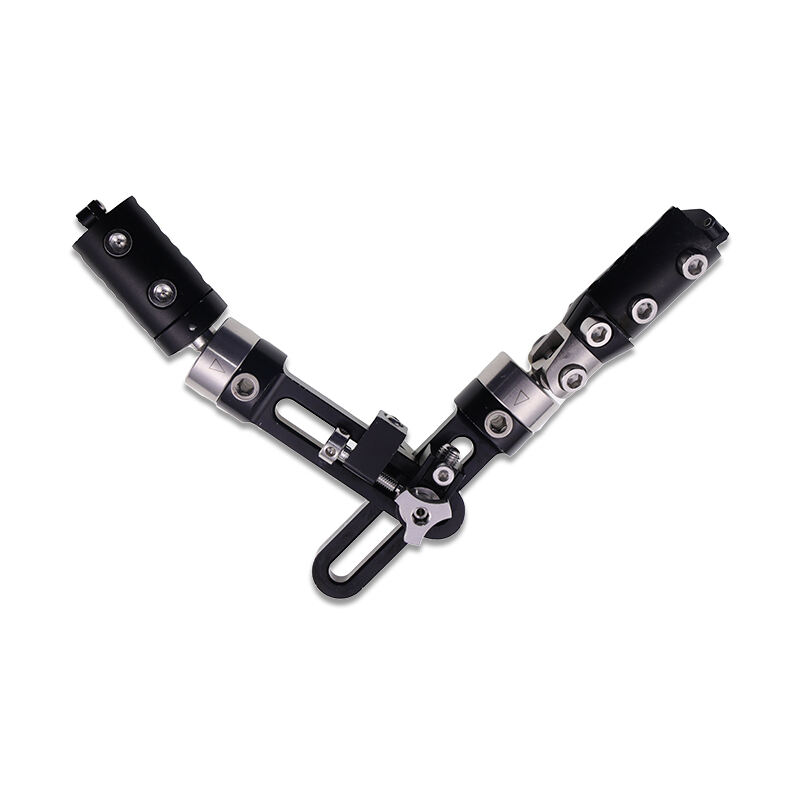
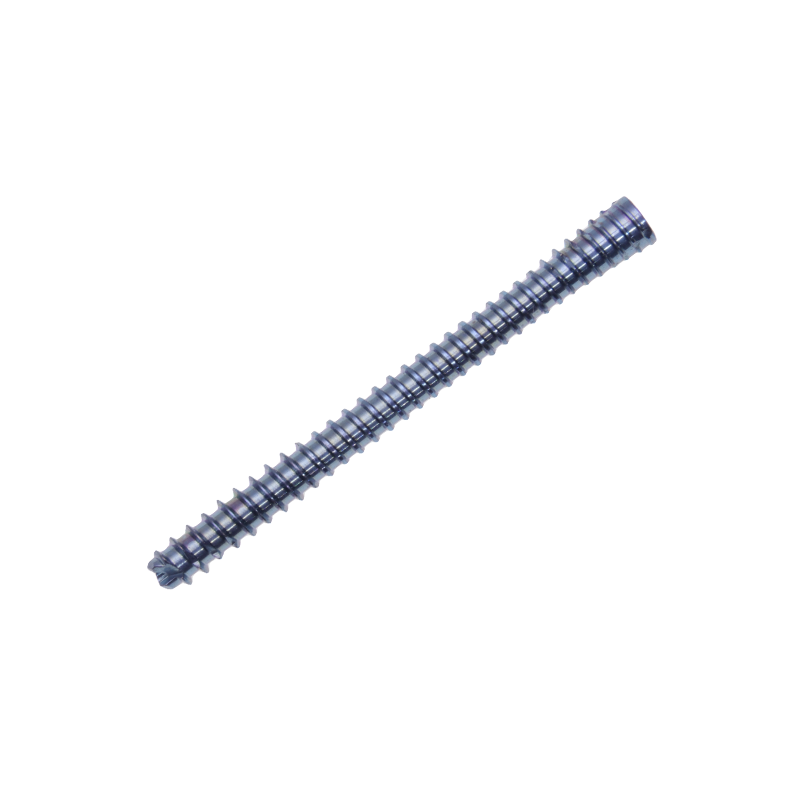
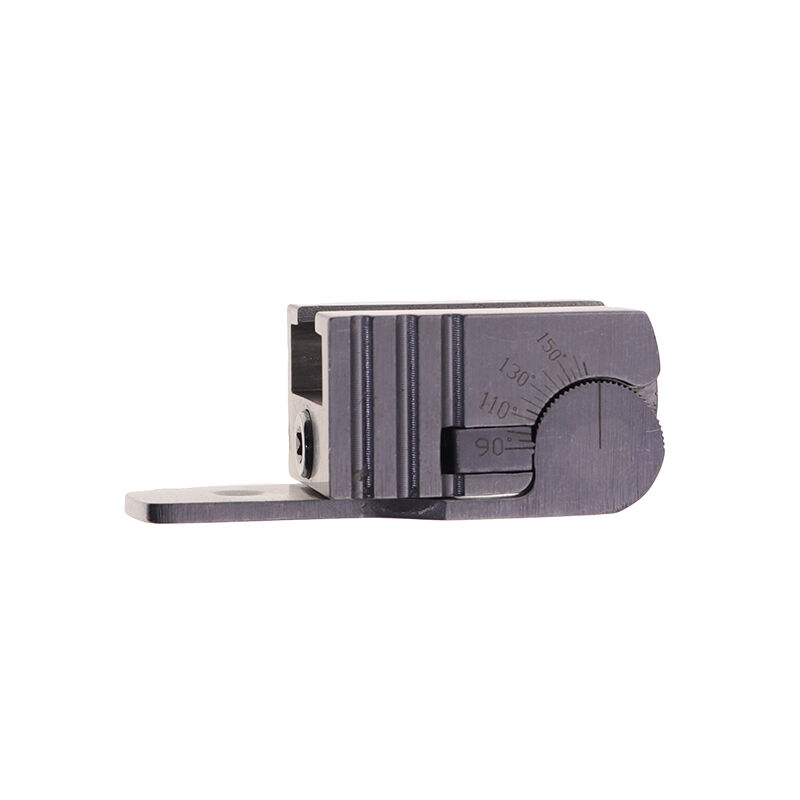
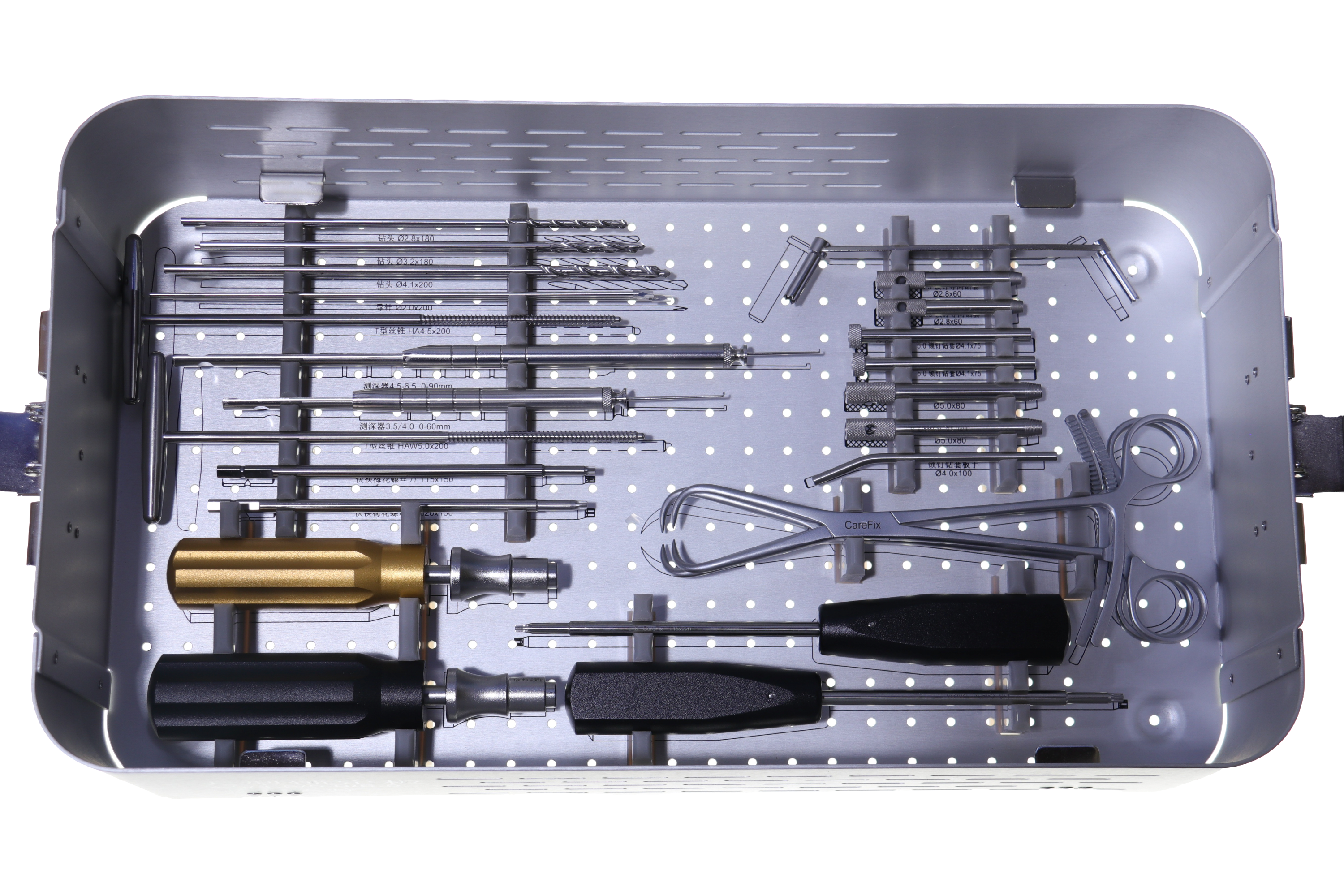
Orthopedic surgery instruments are specialized medical tools designed to assist surgeons in diagnosing, repairing, and reconstructing musculoskeletal conditions affecting bones, joints, ligaments, tendons, and muscles. These precision-engineered instruments encompass a comprehensive range of equipment including bone saws, drills, plates, screws, retractors, forceps, chisels, and implant insertion devices. Modern orthopedic surgery instruments incorporate advanced materials such as surgical-grade stainless steel, titanium alloys, and high-performance polymers that ensure durability, corrosion resistance, and biocompatibility. The main functions of these instruments include bone cutting and shaping, joint replacement, fracture fixation, soft tissue manipulation, and accurate implant positioning. Technological features include ergonomic handle designs that reduce surgeon fatigue, precision-machined cutting edges for clean bone resection, radiolucent materials for clear intraoperative imaging, and sterilization compatibility for infection control. Applications span across trauma surgery for fracture management, arthroplasty procedures for hip and knee replacements, spinal surgery for vertebral stabilization, arthroscopic procedures for minimally invasive joint repairs, and reconstructive surgeries for deformity correction. Healthcare facilities ranging from specialized orthopedic centers to general hospitals rely on orthopedic surgery instruments to deliver effective patient outcomes. The continuous evolution of these instruments reflects advancements in surgical techniques, with innovations focusing on minimally invasive approaches, improved visualization capabilities, and enhanced surgical precision that collectively contribute to reduced recovery times and better long-term patient results.

New Product Releases

Investing in high-quality orthopedic surgery instruments delivers substantial value through enhanced surgical precision that directly translates to improved patient outcomes and reduced complication rates. These instruments enable surgeons to perform complex procedures with greater accuracy, minimizing tissue trauma and promoting faster healing. The ergonomic design of modern orthopedic surgery instruments reduces physical strain on surgical teams during lengthy procedures, allowing for sustained performance and decreased fatigue-related errors. Operational benefits include compatibility with standard sterilization protocols, ensuring consistent infection control standards while extending instrument lifespan through durable construction materials. Facilities equipped with comprehensive orthopedic surgery instruments can expand their service offerings, attracting a broader patient base and increasing revenue potential through diverse procedure capabilities. The reliability of these instruments reduces intraoperative delays caused by equipment failure, optimizing operating room efficiency and allowing facilities to schedule more procedures. Application suitability spans emergency trauma cases requiring immediate intervention, elective joint replacement surgeries for degenerative conditions, sports medicine procedures for athletic injuries, and pediatric orthopedics for developmental corrections. Decision-makers will appreciate that quality orthopedic surgery instruments represent a long-term investment with lower replacement costs compared to inferior alternatives that wear prematurely. The precision manufacturing standards ensure consistent performance across multiple procedures, building surgeon confidence and institutional reputation. Furthermore, compatibility with emerging surgical techniques such as computer-assisted navigation and robotic-assisted procedures ensures that your investment remains relevant as orthopedic surgery continues evolving. Healthcare administrators benefit from reduced malpractice risk exposure when their facilities provide surgeons with industry-standard orthopedic surgery instruments that meet rigorous quality benchmarks. Training efficiency improves when surgical teams work with standardized, intuitive instrument designs that facilitate skill development and procedural consistency across different surgeons and specialties.

Tips And Tricks

Special Needs of Children's Bones: Design Philosophy of Pediatric Internal Fixation Systems

16

Dec

Special Needs of Children's Bones: Design Philosophy of Pediatric Internal Fixation Systems

Children's bones present unique challenges that require specialized approaches in orthopedic surgery. Unlike adult skeletal structures, pediatric bones are constantly growing, adapting, and remodeling throughout development. When fractures or deformi...
View More
Evolution of Intervertebral Fusion Device Materials: Clinical Efficacy Comparison between PEEK and Titanium Alloy

13

Jan

Evolution of Intervertebral Fusion Device Materials: Clinical Efficacy Comparison between PEEK and Titanium Alloy

The advancement of spinal surgery has been significantly influenced by the development of sophisticated intervertebral fusion device technologies. Modern spine surgeons rely heavily on these devices to achieve successful fusion outcomes while minimiz...
View More
HTO Locking Plate: A Precise and Stable Solution for High Knee Joint Osteotomy

13

Jan

HTO Locking Plate: A Precise and Stable Solution for High Knee Joint Osteotomy

High tibial osteotomy represents one of the most effective surgical interventions for treating knee joint disorders, particularly those involving medial compartment osteoarthritis and varus deformity correction. The success of this procedure largely ...
View More
No need for secondary surgery: How does the self-lengthening intramedullary nail synchronize with bone development?

11

Feb

No need for secondary surgery: How does the self-lengthening intramedullary nail synchronize with bone development?

The evolution of pediatric orthopedic surgery has witnessed remarkable advancements in recent decades, with the telescopic intramedullary nail emerging as a groundbreaking solution for treating femoral shaft fractures in growing children. This innova...
View More

Get a Free Quote

Our representative will contact you soon.
Email
Name
Company Name
Message
0/1000

orthopedic surgery instruments

Superior Material Construction for Long-Term Reliability

Superior Material Construction for Long-Term Reliability

Orthopedic surgery instruments manufactured from premium-grade materials deliver exceptional longevity and consistent performance throughout thousands of surgical procedures. The use of medical-grade stainless steel provides outstanding corrosion resistance against repeated sterilization cycles while maintaining sharp cutting edges that ensure precise bone work without requiring frequent sharpening or replacement. Titanium alloy components offer an optimal strength-to-weight ratio, reducing instrument heft without compromising structural integrity during demanding orthopedic procedures. Surface treatments such as passivation create protective oxide layers that prevent pitting and discoloration, maintaining instrument aesthetics and functionality over extended service periods. These material advantages translate directly to cost savings by extending replacement intervals and reducing inventory turnover requirements. Healthcare facilities benefit from predictable budgeting when instruments maintain their performance characteristics reliably, eliminating unexpected equipment failures during critical surgical moments. The biocompatibility of these materials also ensures that inadvertent contact with patient tissues causes no adverse reactions, supporting comprehensive patient safety protocols. Investment in orthopedic surgery instruments with superior material construction represents a strategic decision that balances upfront costs against long-term operational efficiency and sustained surgical excellence.
Ergonomic Design Enhancing Surgical Precision

Ergonomic Design Enhancing Surgical Precision

The ergonomic engineering of contemporary orthopedic surgery instruments significantly improves surgeon comfort and control during complex procedures that may extend several hours. Handle geometries incorporate anatomical contours that distribute grip pressure evenly across the hand, preventing localized fatigue and cramping that can compromise surgical precision during critical procedure phases. Balanced weight distribution ensures that instruments feel natural in hand, allowing surgeons to maintain steady control during delicate bone shaping or implant positioning tasks. Textured grip surfaces provide secure handling even when instruments contact blood or irrigation fluids, preventing dangerous slippage that could result in patient injury or procedural complications. These design considerations directly impact surgical outcomes by enabling surgeons to work with greater accuracy and confidence throughout demanding orthopedic procedures. Reduced physical strain on surgical teams translates to better focus and decision-making during complex cases, while also supporting career longevity by minimizing repetitive stress injuries common in surgical specialties. Healthcare facilities that prioritize ergonomically designed orthopedic surgery instruments demonstrate commitment to both patient safety and staff wellbeing, contributing to improved workplace satisfaction and retention of skilled surgical personnel. The cumulative effect of these ergonomic advantages creates measurable improvements in procedural efficiency and patient recovery metrics.
Comprehensive Instrument Sets for Versatile Applications

Comprehensive Instrument Sets for Versatile Applications

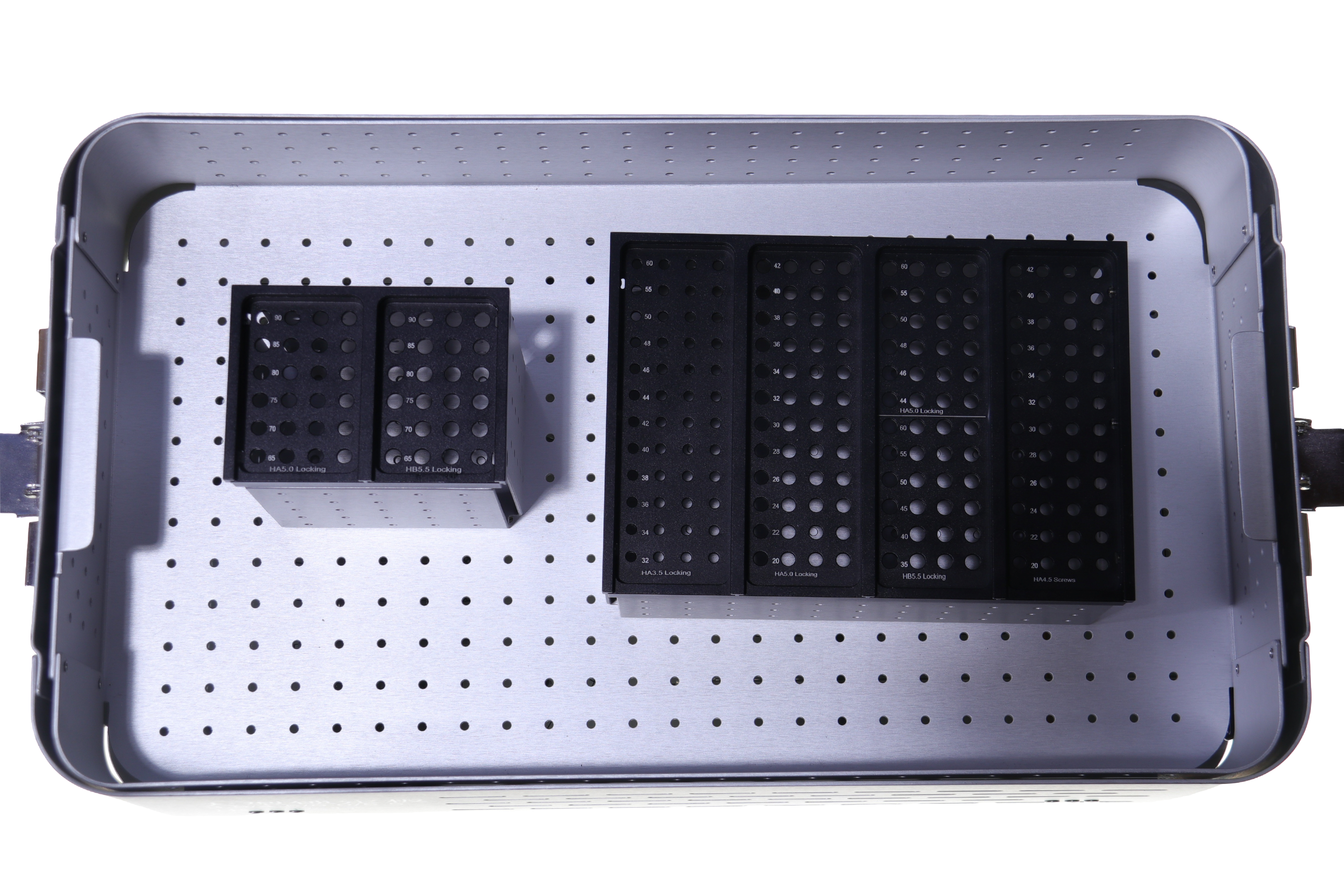
Modern orthopedic surgery instruments are available in comprehensive sets tailored to specific procedure types, ensuring surgical teams have immediate access to every tool required for successful case completion without delays or improvisation. Trauma sets include specialized bone reduction forceps, plate benders, and screw insertion instruments designed for emergency fracture fixation across various anatomical locations. Joint replacement systems provide complete instrumentation for hip, knee, shoulder, and other arthroplasty procedures, including trial implants, impactors, and alignment guides that ensure optimal prosthetic positioning. Spine surgery collections feature pedicle probes, rod holders, and vertebral spreaders specifically engineered for the unique demands of spinal stabilization procedures. This systematic approach to instrument organization streamlines surgical workflows by eliminating time wasted searching for appropriate tools, while reducing the cognitive load on surgical staff during high-pressure procedures. Standardized sets also facilitate training programs by providing consistent instrument configurations that new team members can learn efficiently. Healthcare facilities investing in comprehensive orthopedic surgery instruments gain procedural flexibility that allows them to accept diverse case types without maintaining excessive redundant inventory. The modularity of quality instrument systems permits strategic expansion as surgical volumes grow or new techniques emerge, protecting initial investments while supporting institutional development goals and maintaining competitive positioning within regional healthcare markets.
logo