Orthopedic Instrument Tray Solutions

Get a Free Quote

Our representative will contact you soon.
Email
Name
Company Name
Message
0/1000

orthopedic instrument tray

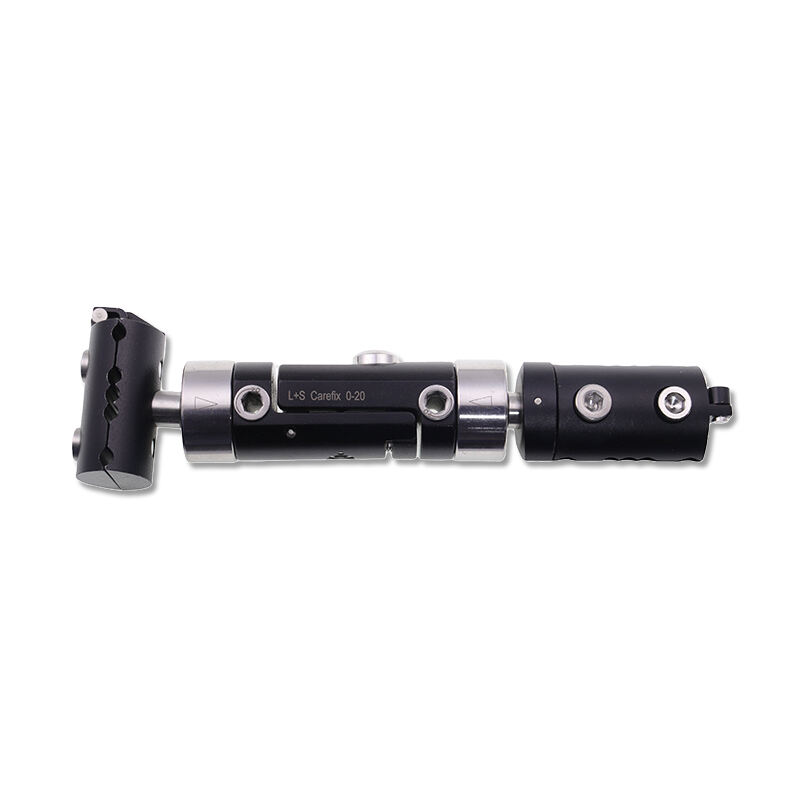
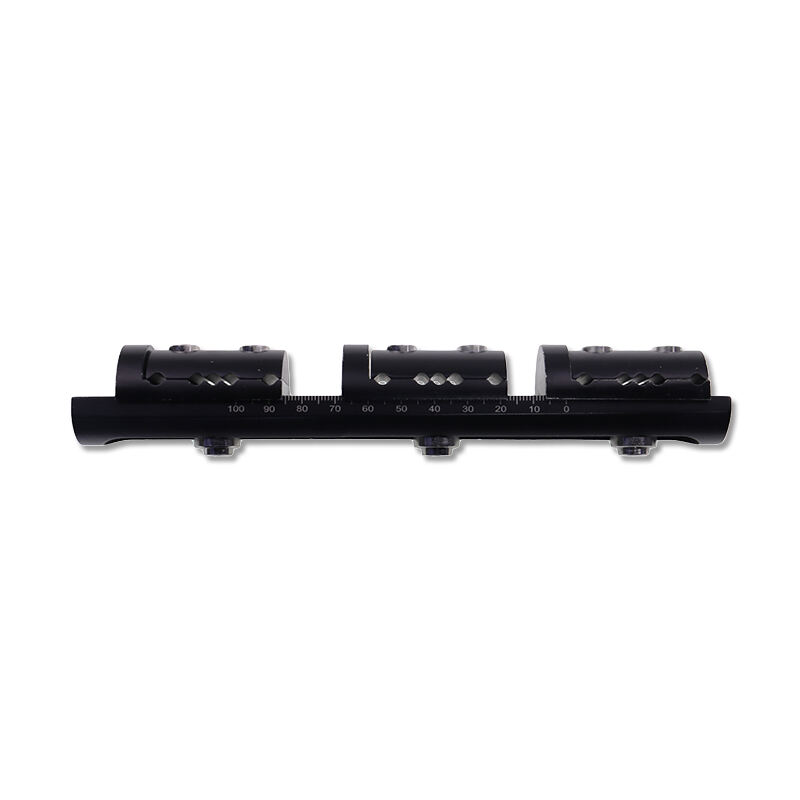
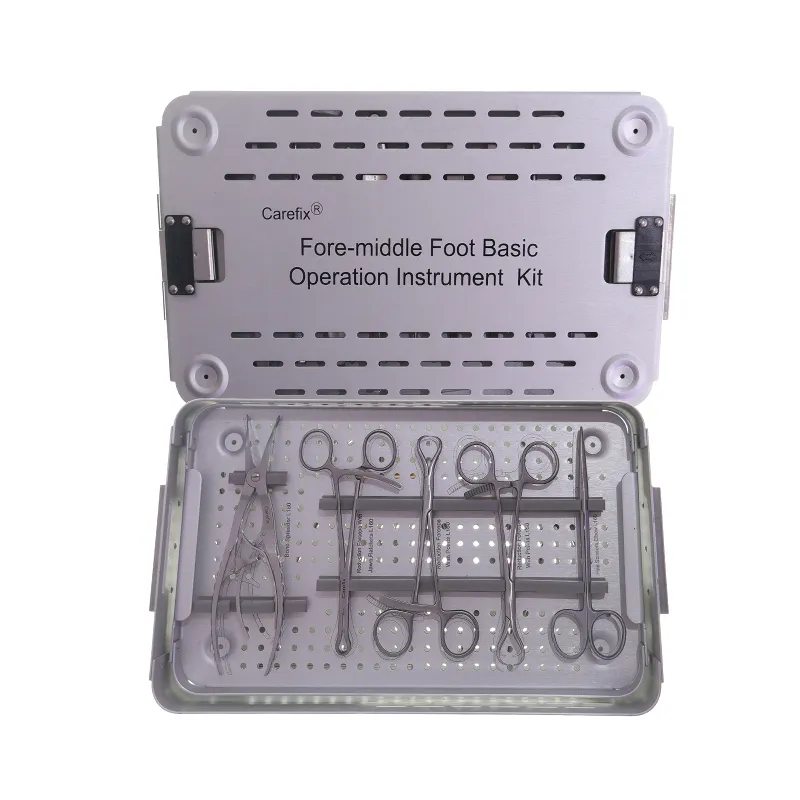
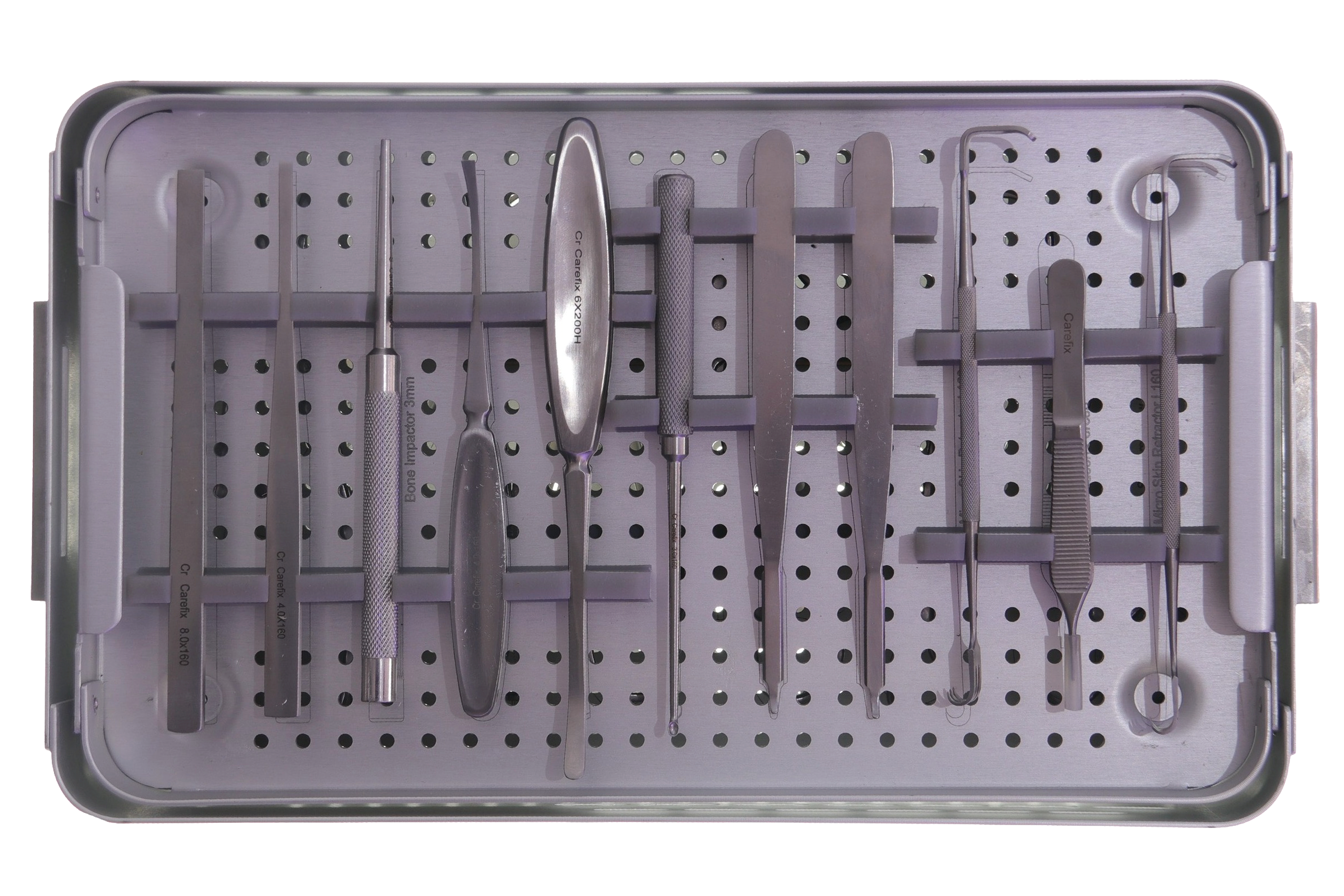
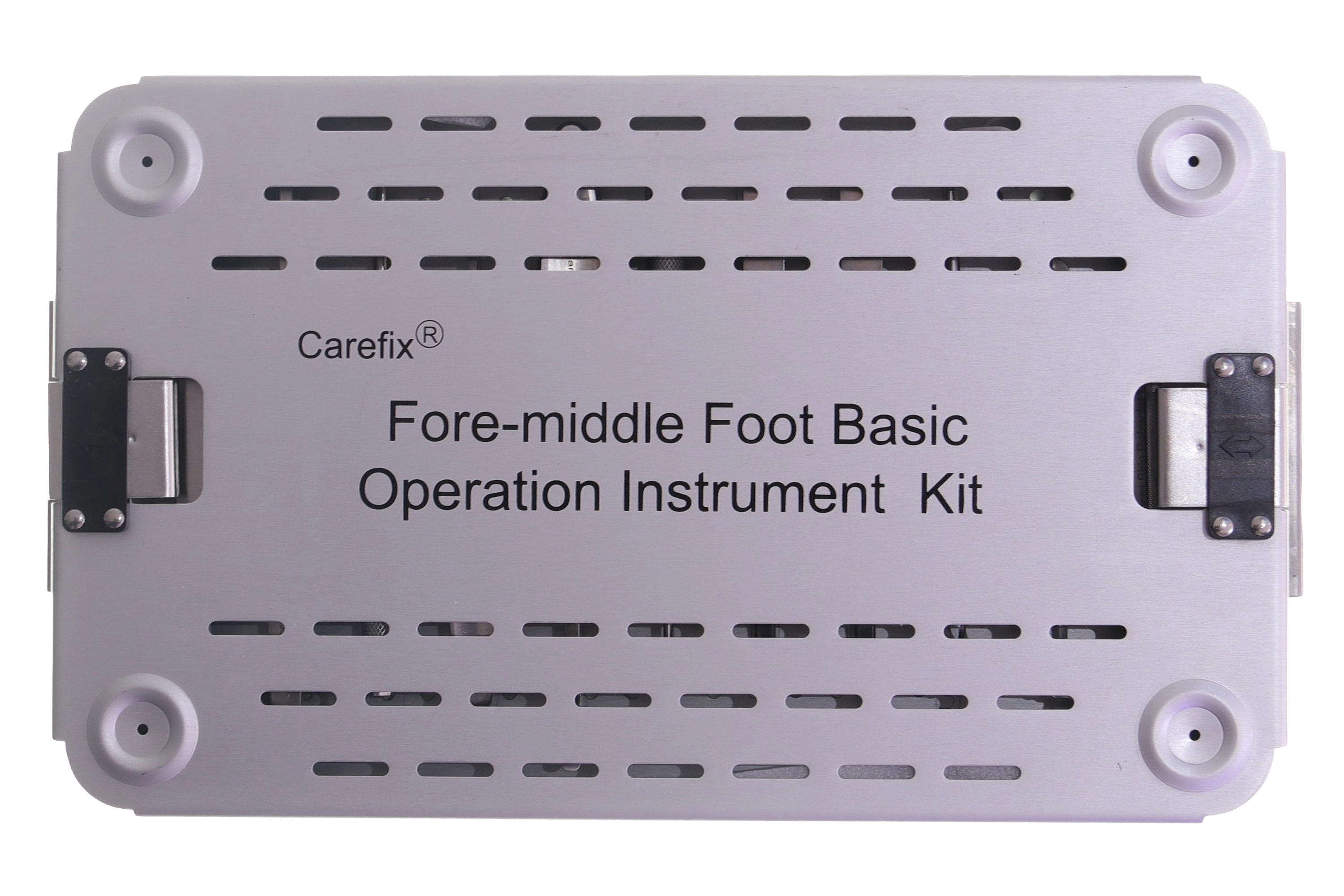
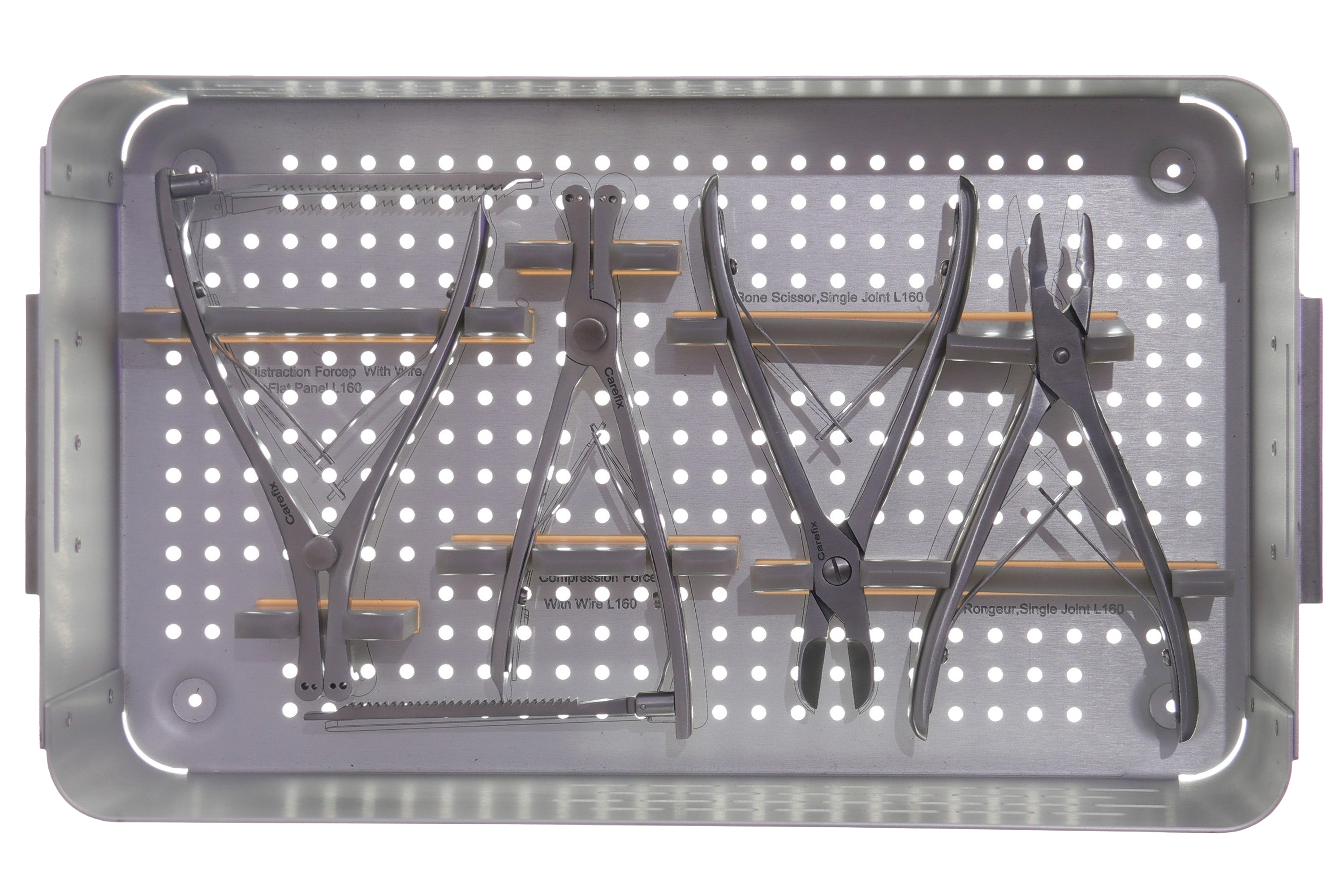
An orthopedic instrument tray is a specialized surgical storage and organization system designed to securely hold and present surgical instruments used in bone and joint procedures. This essential medical equipment serves as the foundation for efficient surgical workflows in operating rooms worldwide. The orthopedic instrument tray features precision-engineered compartments, holders, and clips that accommodate various surgical tools including bone saws, drills, retractors, forceps, and implant insertion devices. Manufactured from medical-grade stainless steel or aluminum, these trays provide exceptional durability while resisting corrosion from repeated sterilization cycles. The organizational design follows standardized surgical protocols, enabling surgical teams to quickly locate and access instruments during critical procedures. Modern orthopedic instrument tray systems incorporate color-coding, engraved labels, and modular configurations that adapt to different surgical specialties such as hip replacement, spinal fusion, trauma repair, and arthroscopic procedures. The integrated design ensures proper instrument protection during transport, storage, and sterilization processes. Advanced surface treatments prevent instrument slippage and minimize noise during handling. These trays comply with international medical device regulations and support infection control protocols through seamless surfaces that eliminate bacterial harboring points. Whether used in high-volume hospitals or specialized orthopedic centers, the orthopedic instrument tray represents a critical investment in surgical safety, efficiency, and patient outcomes by maintaining instrument integrity and supporting streamlined procedural workflows.

New Products

Investing in a quality orthopedic instrument tray delivers measurable operational benefits that directly impact your facility's efficiency and cost management. These organizational systems dramatically reduce instrument search time during procedures, allowing surgical teams to maintain focus on patient care rather than hunting for misplaced tools. The standardized layout creates consistency across multiple operating rooms, enabling staff to work confidently in any surgical suite without relearning instrument locations. This consistency becomes particularly valuable when training new team members or accommodating traveling surgeons who expect familiar setups. The robust construction withstands thousands of sterilization cycles without warping or degrading, protecting your instrument investment for years and eliminating frequent replacement costs. Proper instrument organization within the orthopedic instrument tray prevents costly damage caused by tools rubbing together during transport or storage, extending the functional lifespan of expensive surgical equipment. The systematic approach to instrument management reduces the risk of retained surgical items, supporting patient safety initiatives and protecting facilities from potential liability concerns. Facilities report faster room turnover times because organized trays simplify the post-procedure instrument counting and documentation process. The modular design adapts to evolving surgical techniques and new instrument additions without requiring complete system replacement, providing long-term flexibility as your practice grows. Sterile processing departments benefit from clearly defined instrument sets that streamline cleaning, inspection, and reassembly workflows, reducing processing time and labor costs. The professional presentation of instruments in a well-organized orthopedic instrument tray also instills confidence in patients and visiting medical professionals, reinforcing your facility's commitment to quality and precision in surgical care delivery.

Practical Tips

Taylor brace: a new choice for minimally invasive treatment of complex fracture repair

11

Feb

Taylor brace: a new choice for minimally invasive treatment of complex fracture repair

The Taylor brace represents a significant advancement in orthopedic trauma management, offering surgeons and patients a minimally invasive alternative for treating complex fracture repairs. This innovative external fixation system has transformed the...
View More
How to choose the appropriate size and thread of hollow screws?

11

Feb

How to choose the appropriate size and thread of hollow screws?

Selecting the right hollow screws for orthopedic procedures requires careful consideration of multiple factors that directly impact surgical outcomes and patient recovery. These specialized medical devices serve critical functions in bone fixation, t...
View More
No need for secondary surgery: How does the self-lengthening intramedullary nail synchronize with bone development?

11

Feb

No need for secondary surgery: How does the self-lengthening intramedullary nail synchronize with bone development?

The evolution of pediatric orthopedic surgery has witnessed remarkable advancements in recent decades, with the telescopic intramedullary nail emerging as a groundbreaking solution for treating femoral shaft fractures in growing children. This innova...
View More
The application advantages of modular braces in ankle fractures

15

Apr

The application advantages of modular braces in ankle fractures

Ankle fractures represent one of the most challenging orthopedic injuries to manage effectively, requiring precise stabilization and controlled healing environments. Traditional casting methods often fall short in providing the dynamic support and ad...
View More

Get a Free Quote

Our representative will contact you soon.
Email
Name
Company Name
Message
0/1000

orthopedic instrument tray

Optimized Surgical Workflow Efficiency

Optimized Surgical Workflow Efficiency

The orthopedic instrument tray revolutionizes operating room productivity through intelligent spatial organization that mirrors actual surgical sequences. Each instrument occupies a designated position corresponding to its typical use order during procedures, enabling surgical staff to retrieve tools instinctively without visual searching or verbal requests. This intuitive layout reduces cognitive load on the surgical team, allowing concentration on technical execution rather than equipment logistics. The tray's design incorporates evidence-based ergonomic principles that minimize reaching distances and awkward hand positions, reducing physical strain during lengthy procedures. Customizable configurations accommodate facility-specific preferences and surgeon individual techniques, creating personalized efficiency without compromising standardization benefits. The clear visual presentation allows immediate identification of missing instruments before procedure commencement, preventing delays and supporting comprehensive instrument accountability. Silicone retention features secure instruments during transport while allowing effortless single-handed retrieval, maintaining sterile field integrity. The systematic organization extends beyond the operating room, streamlining sterile processing workflows where technicians quickly verify instrument completeness and proper reassembly, reducing processing bottlenecks that limit surgical scheduling capacity.
Superior Instrument Protection and Longevity

Superior Instrument Protection and Longevity

The orthopedic instrument tray provides comprehensive protection mechanisms that preserve expensive surgical instruments from damage throughout their lifecycle. Individual compartments with custom-fitted retention systems prevent metal-to-metal contact that causes surface scratching, edge dulling, and calibration drift in precision instruments. The spacing design allows complete sterilant penetration around each instrument during autoclave cycles, ensuring thorough disinfection while preventing moisture entrapment that leads to corrosion and bacterial growth. Advanced materials resist chemical degradation from repeated exposure to enzymatic cleaners, disinfectants, and high-temperature steam sterilization, maintaining structural integrity through thousands of processing cycles. The reinforced construction withstands the rigors of daily handling, cart transport, and occasional impacts without bending or developing sharp edges that could compromise instrument quality or create safety hazards. Precision-machined retention clips apply appropriate holding force that secures instruments during movement without creating stress points that weaken delicate components over time. The tray's drainage design facilitates complete water removal after washing, eliminating pooling that accelerates corrosion on susceptible instruments. This comprehensive protection approach reduces instrument replacement frequency, generating substantial cost savings while ensuring surgical teams always have properly functioning tools available for patient care.
Compliance and Safety Assurance

Compliance and Safety Assurance

The orthopedic instrument tray serves as a critical component in healthcare facilities' regulatory compliance and patient safety programs. The standardized organization supports accurate instrument counting protocols required before and after surgical procedures, creating clear visual references that help prevent retained surgical items. Permanent engraving or labeling systems establish definitive instrument identification that supports traceability requirements for implant procedures and adverse event investigations. The seamless construction with rounded corners and smooth surfaces eliminates crevices where bioburden could accumulate, supporting infection prevention standards and facilitating thorough cleaning validation. Material certifications demonstrate compliance with biocompatibility standards and metal composition requirements specified in medical device regulations across global markets. The tray design accommodates documentation accessories like count sheets and instrument lists, integrating quality assurance tools directly into the surgical setup. Color-coding options enable clear differentiation between specialty sets, reducing mix-up risks in busy sterile processing departments handling multiple concurrent cases. The system supports lean management principles by establishing standard work processes that reduce variation and create audit-ready documentation of instrument management practices. This comprehensive approach to compliance transforms the orthopedic instrument tray from simple storage into a proactive risk management tool that protects patients, staff, and organizational reputation.
logo