hip replacement instruments
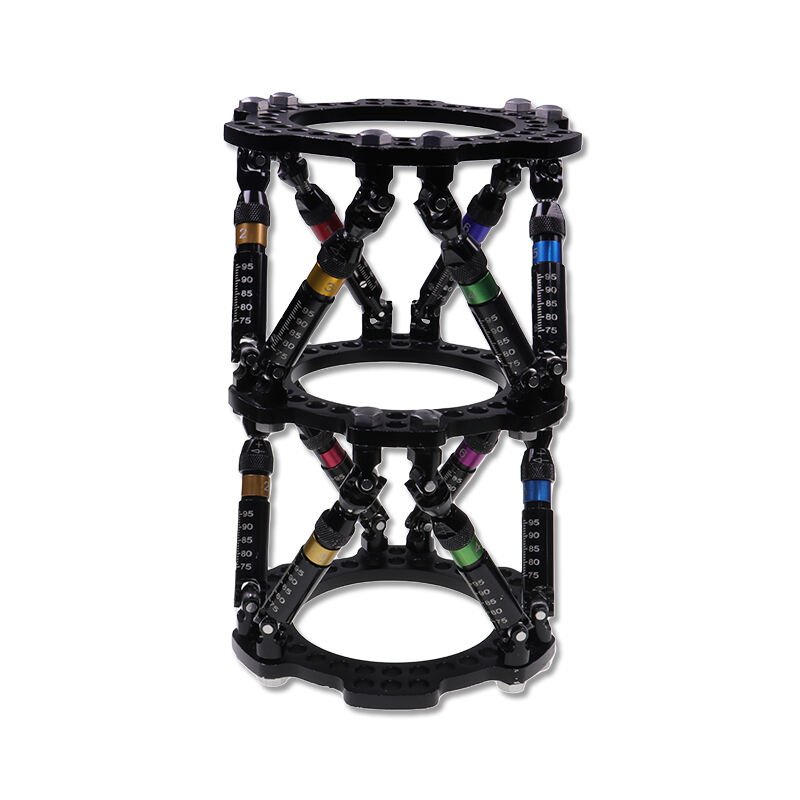
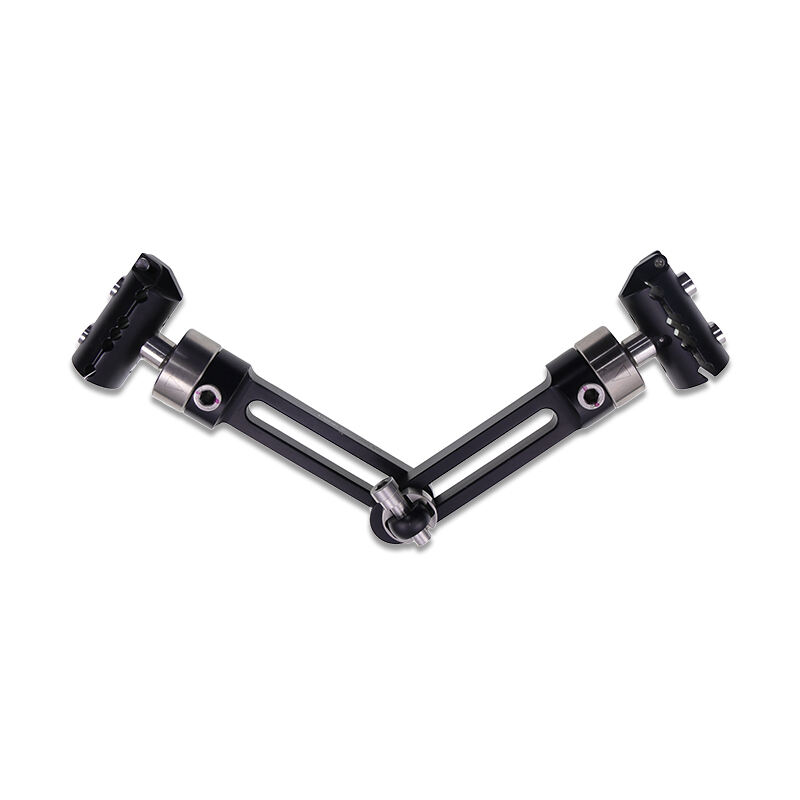
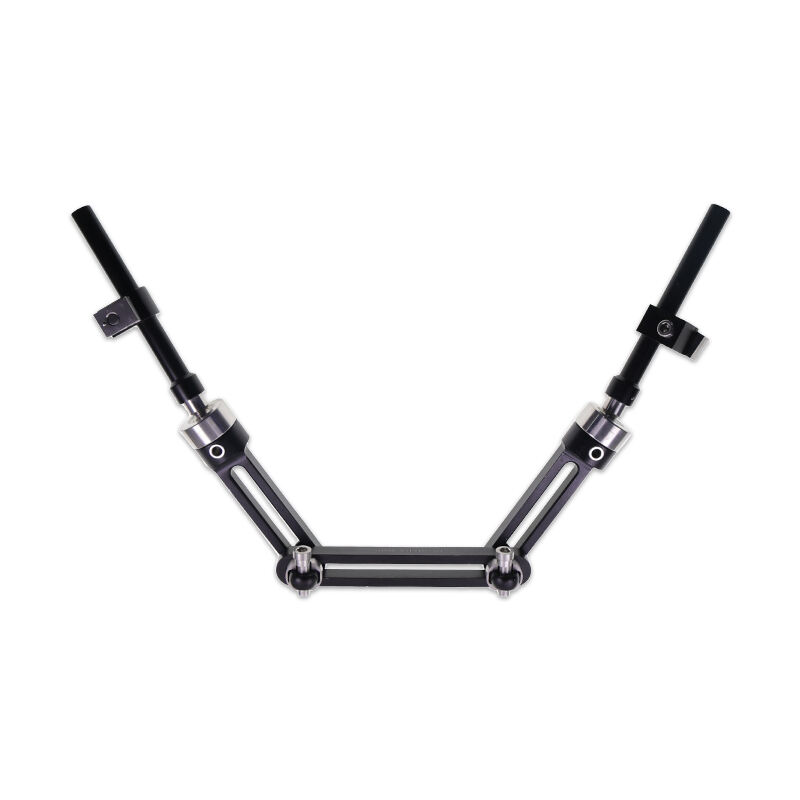
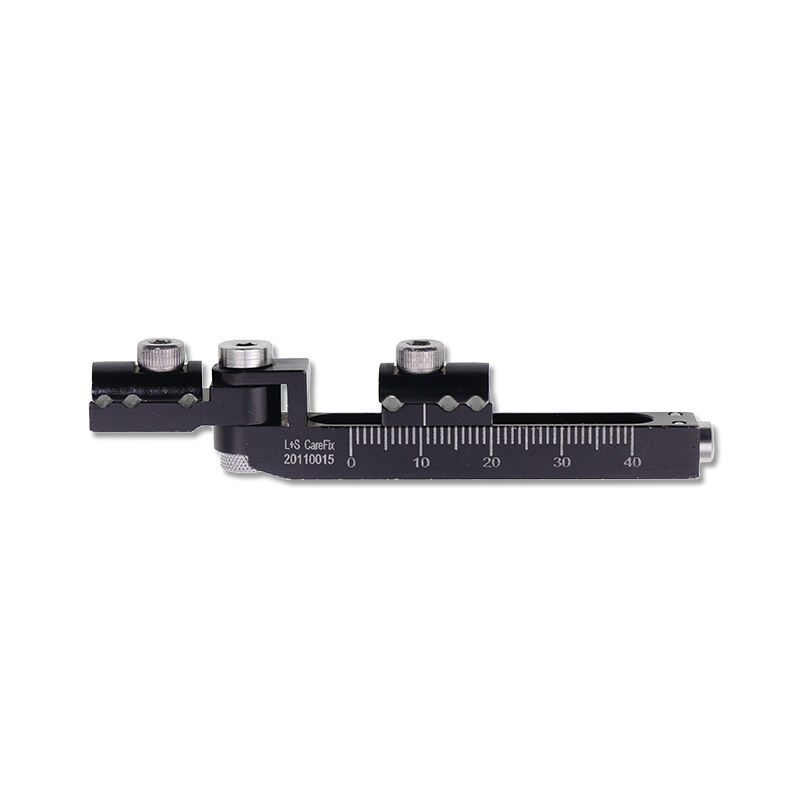
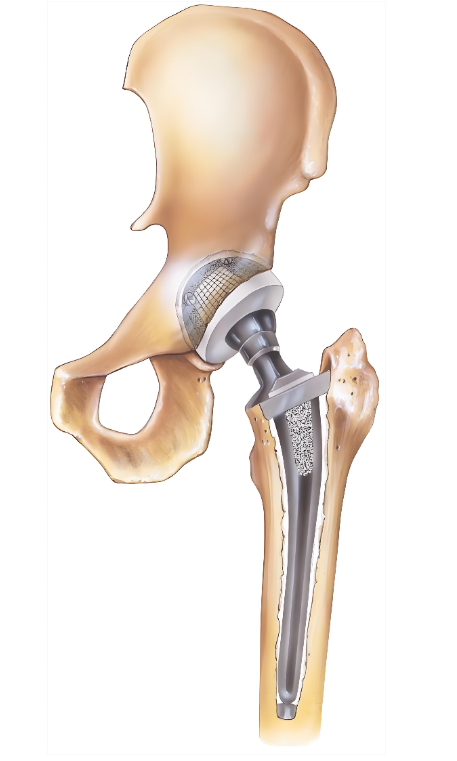
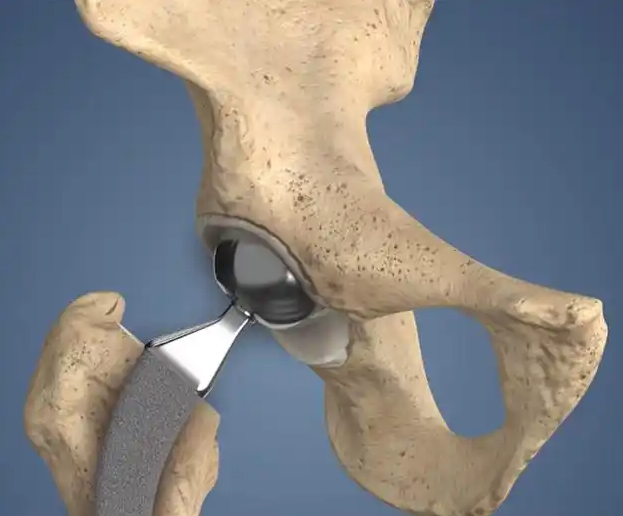
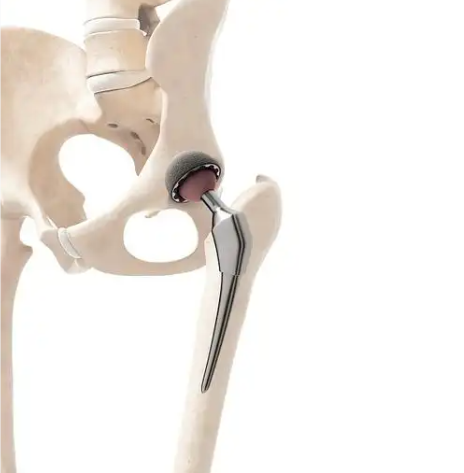
Hip replacement instruments are specialized surgical tools designed to facilitate total hip arthroplasty procedures with precision and safety. These comprehensive instrument sets enable orthopedic surgeons to remove damaged bone and cartilage while accurately positioning prosthetic components to restore joint function. The primary functions of hip replacement instruments include bone preparation, acetabular reaming, femoral broaching, component impaction, and trial reduction testing. Modern hip replacement instruments incorporate advanced engineering principles that ensure anatomical accuracy during implantation while minimizing tissue trauma. The technological features include ergonomic handle designs that reduce surgeon fatigue, graduated sizing systems for optimal component selection, and calibrated depth indicators that prevent over-reaming or under-preparation. Many contemporary hip replacement instruments feature modular designs allowing surgeons to customize their surgical approach based on patient anatomy and preferred technique. The instruments typically include acetabular reamers with sharp cutting flutes, femoral rasps with precise geometry, impactors with shock-absorbing capabilities, and extraction tools for component removal when necessary. Applications span primary hip replacement surgeries for osteoarthritis treatment, revision procedures for failed implants, and complex reconstructive cases involving bone loss or deformity. Hip replacement instruments are essential in outpatient surgical centers, hospital operating rooms, and specialty orthopedic facilities worldwide. The precision manufacturing standards ensure consistent performance across thousands of procedures while maintaining compatibility with various implant systems from leading manufacturers.
 EN
EN