spinal medical devices
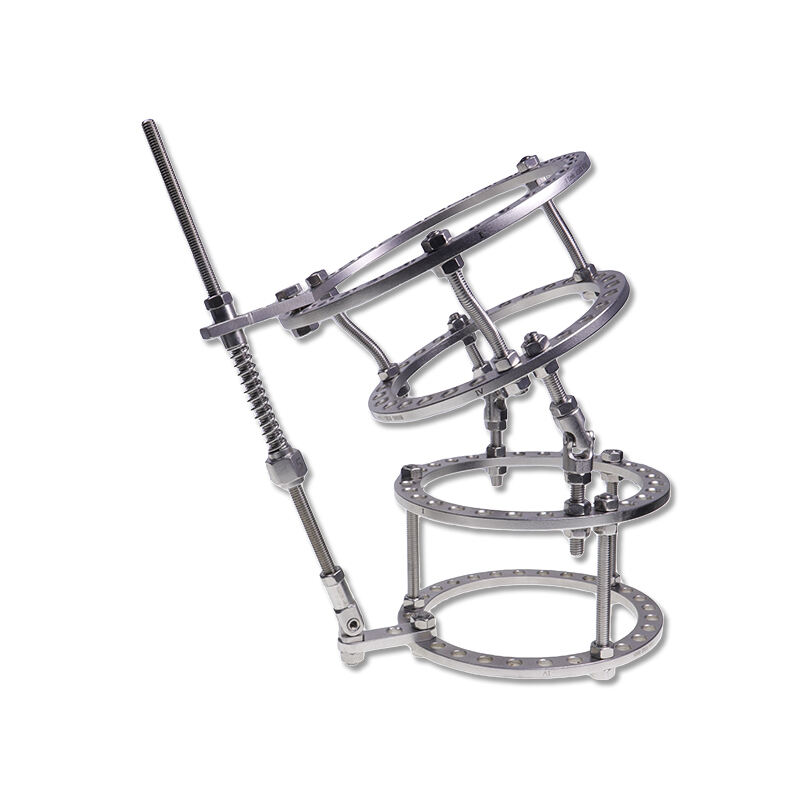
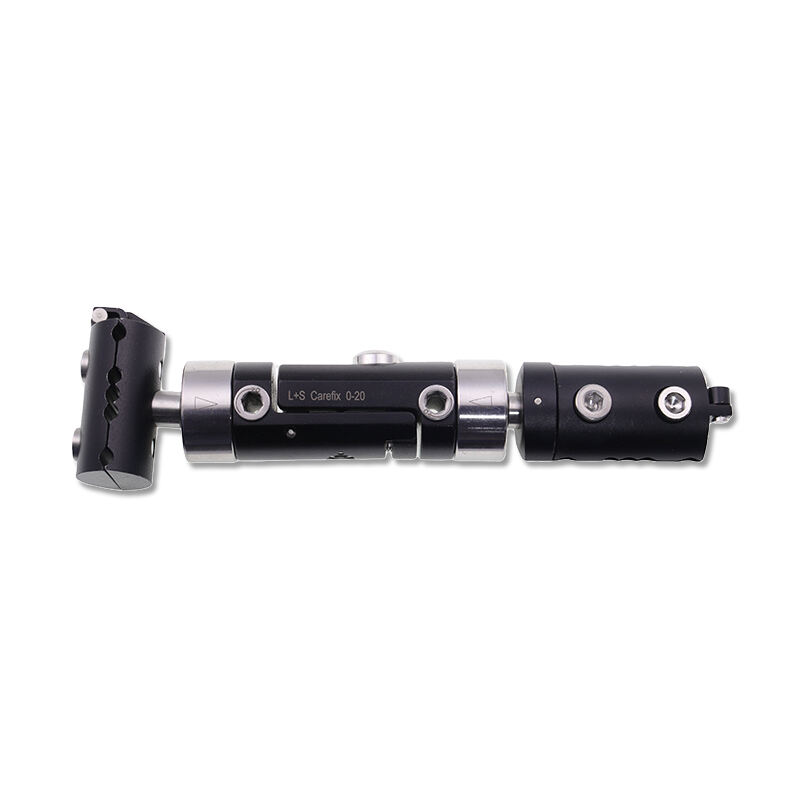
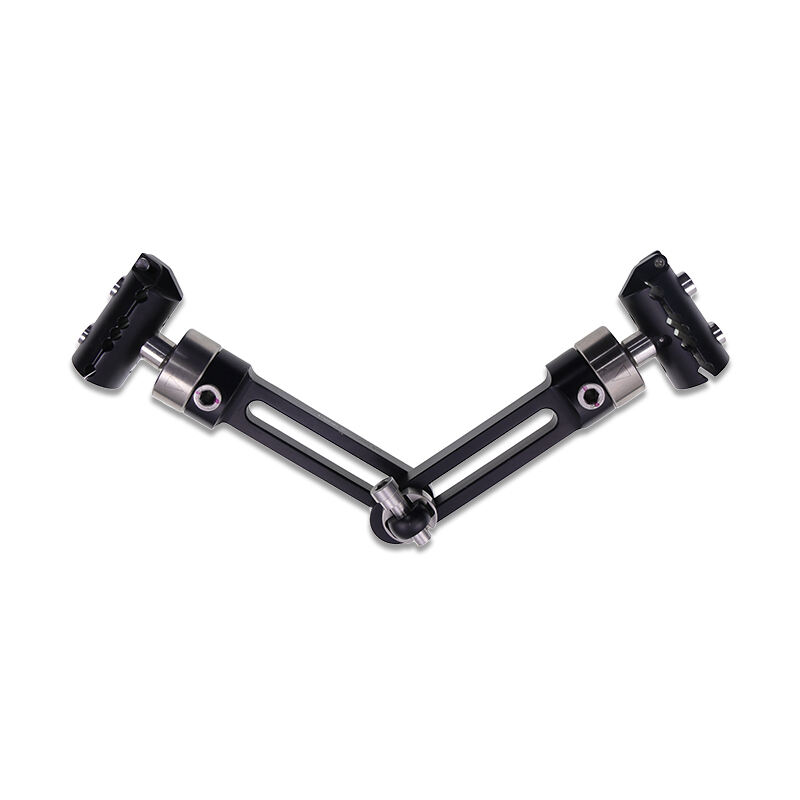
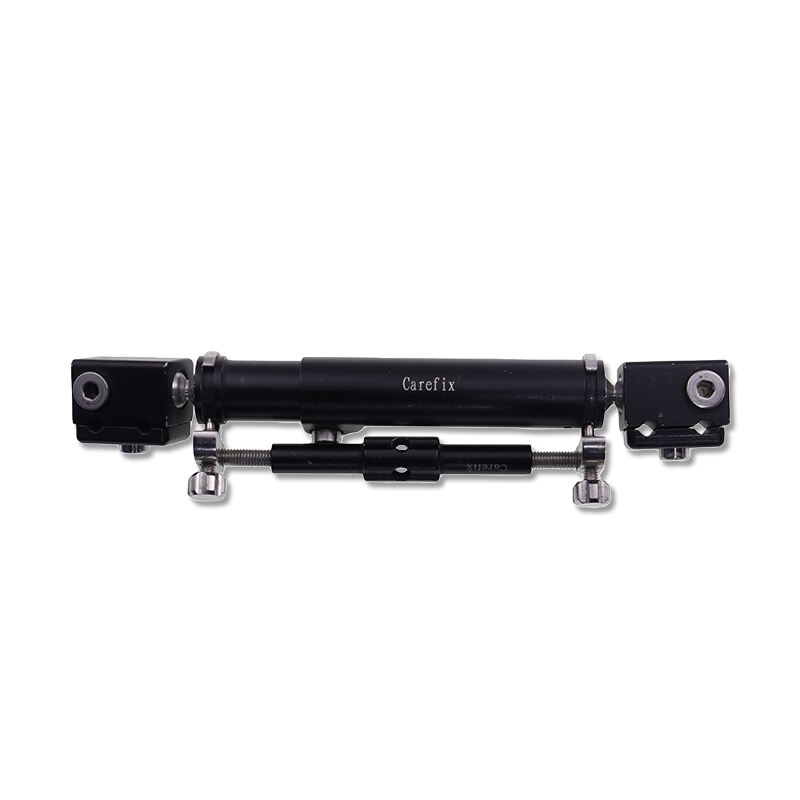
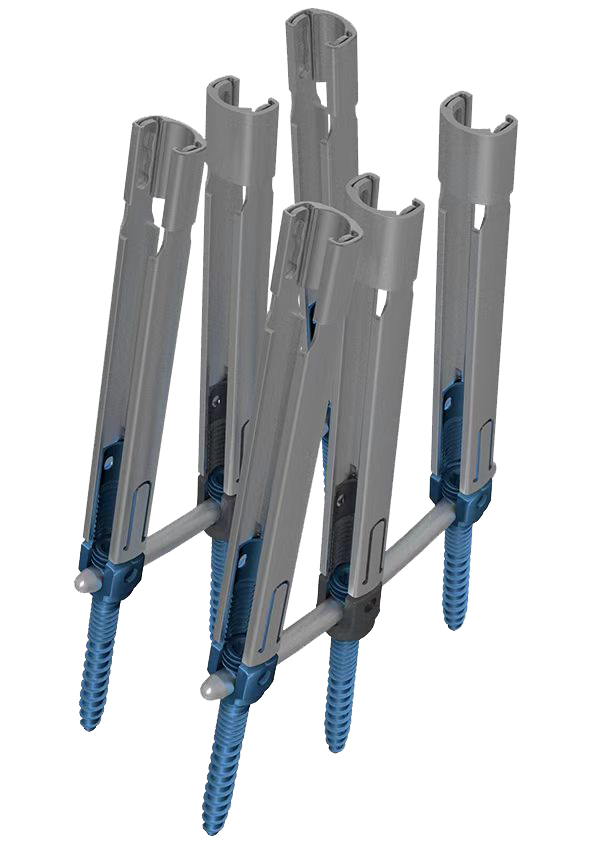
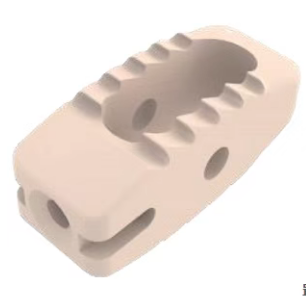
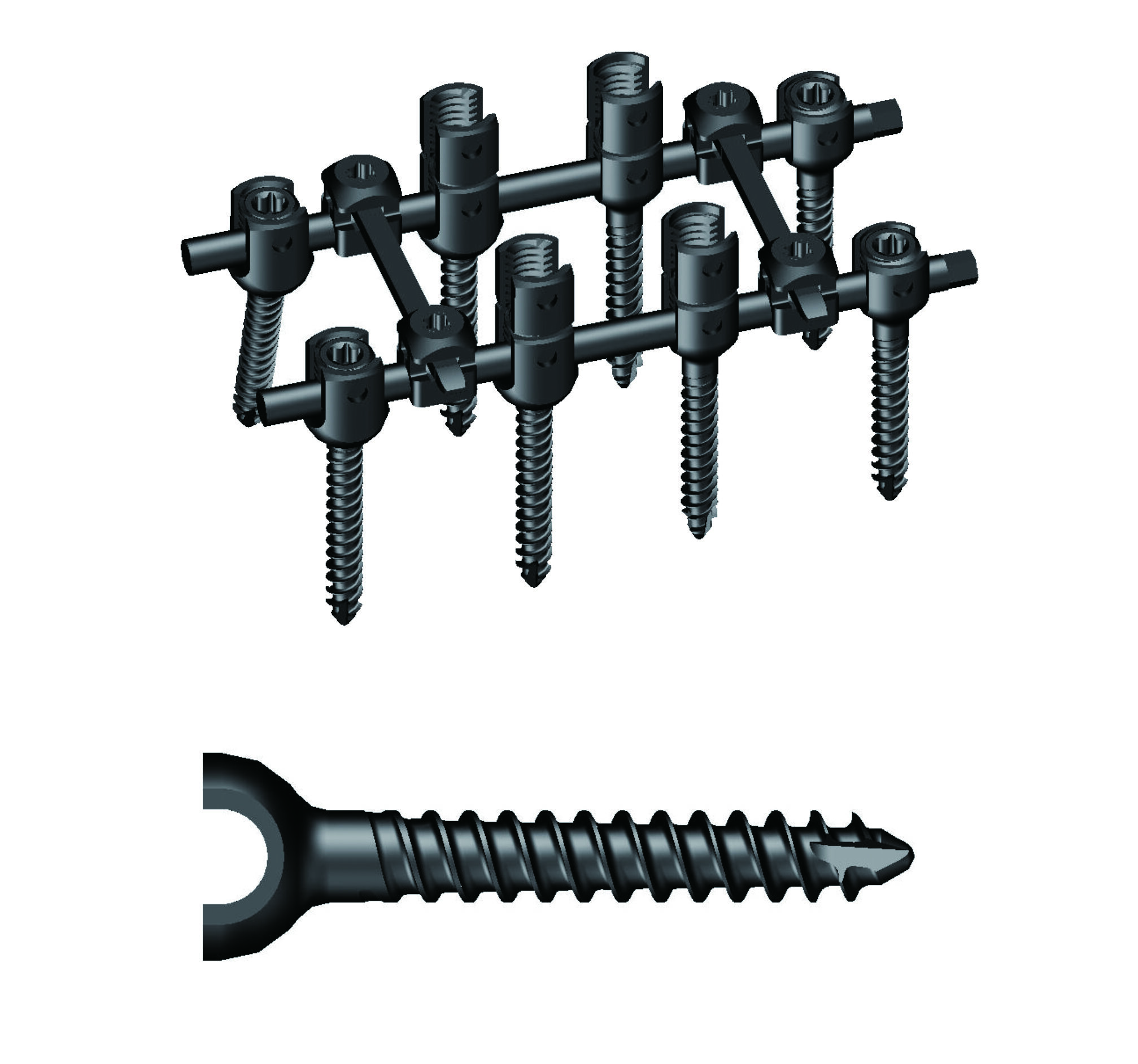
Spinal medical devices represent a critical category of healthcare technology designed to diagnose, treat, and support conditions affecting the spine and vertebral column. These sophisticated instruments encompass a wide range of equipment including spinal implants, fixation systems, surgical tools, imaging devices, and patient monitoring equipment. Spinal medical devices serve essential functions in addressing degenerative disc disease, spinal fractures, scoliosis, spinal stenosis, and other musculoskeletal disorders. The technological features of modern spinal medical devices incorporate advanced materials such as titanium alloys, biocompatible polymers, and innovative surface treatments that promote bone integration. Many contemporary systems utilize minimally invasive surgical approaches, allowing surgeons to perform complex procedures through smaller incisions with reduced tissue disruption. Navigation and robotic-assisted technologies have transformed spinal surgery by enhancing precision and accuracy during implant placement. Applications for spinal medical devices span multiple clinical scenarios, from emergency trauma care requiring immediate stabilization to elective procedures addressing chronic pain and mobility limitations. Healthcare facilities utilize these devices across neurosurgery departments, orthopedic surgery centers, rehabilitation clinics, and outpatient surgical facilities. The continuous evolution of spinal medical devices reflects ongoing research into biomechanics, material science, and patient outcomes, delivering increasingly effective solutions for complex spinal pathologies while prioritizing patient safety and long-term functional restoration.
 EN
EN