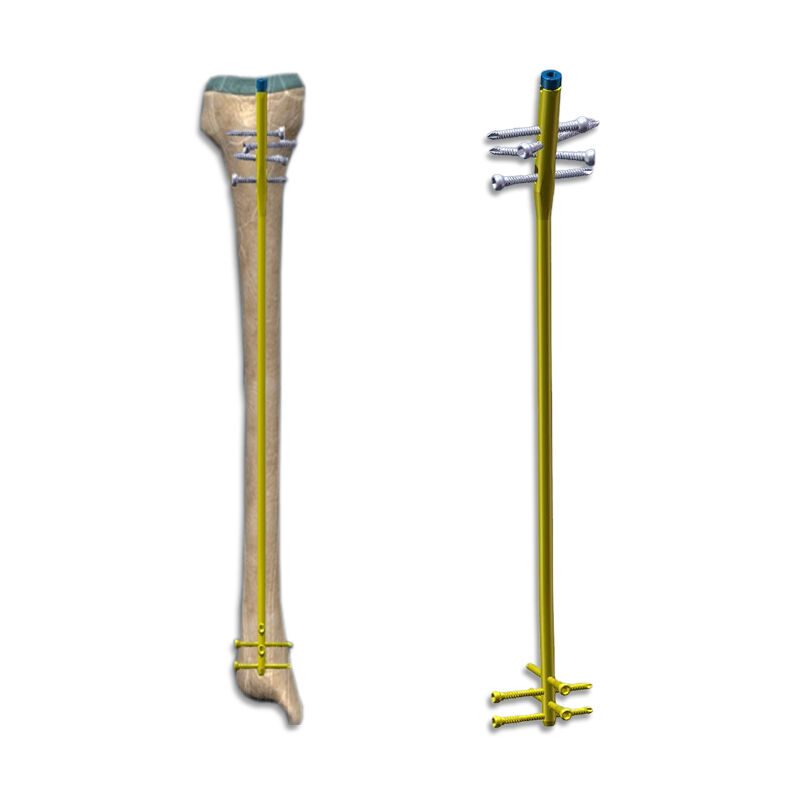
orthopedic medical device
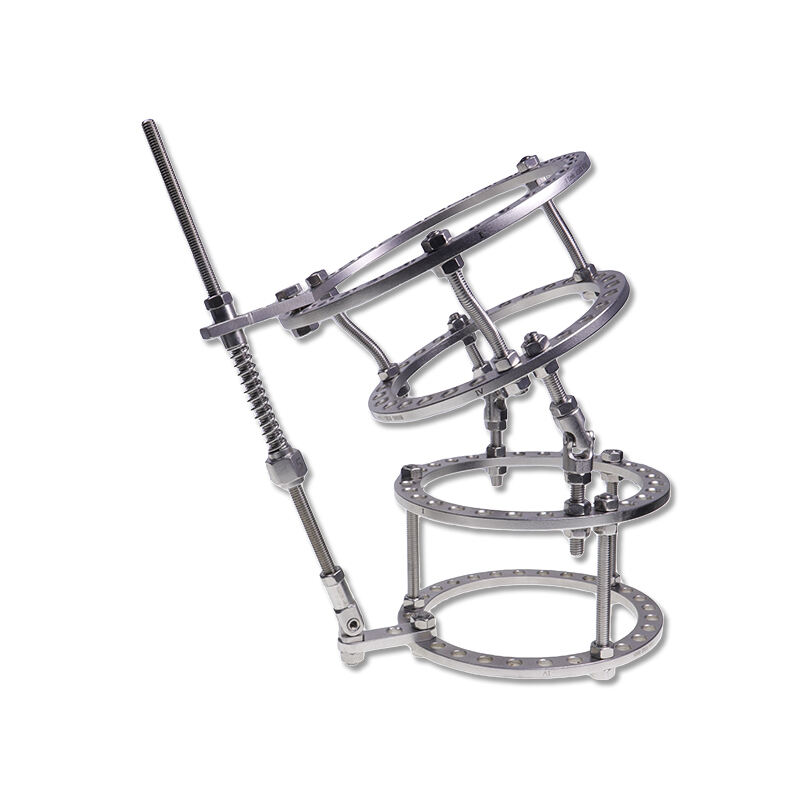
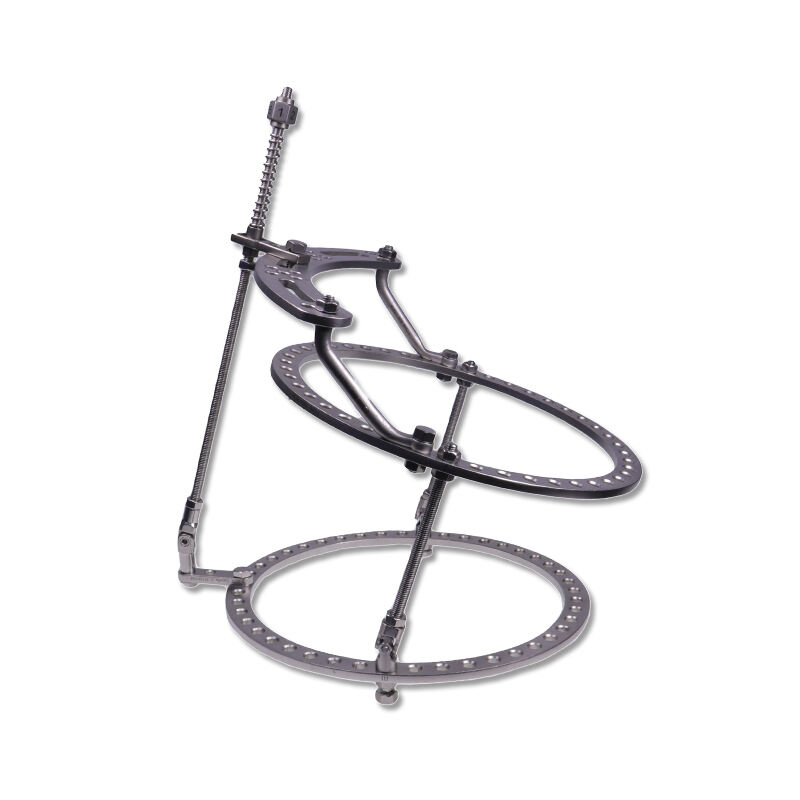
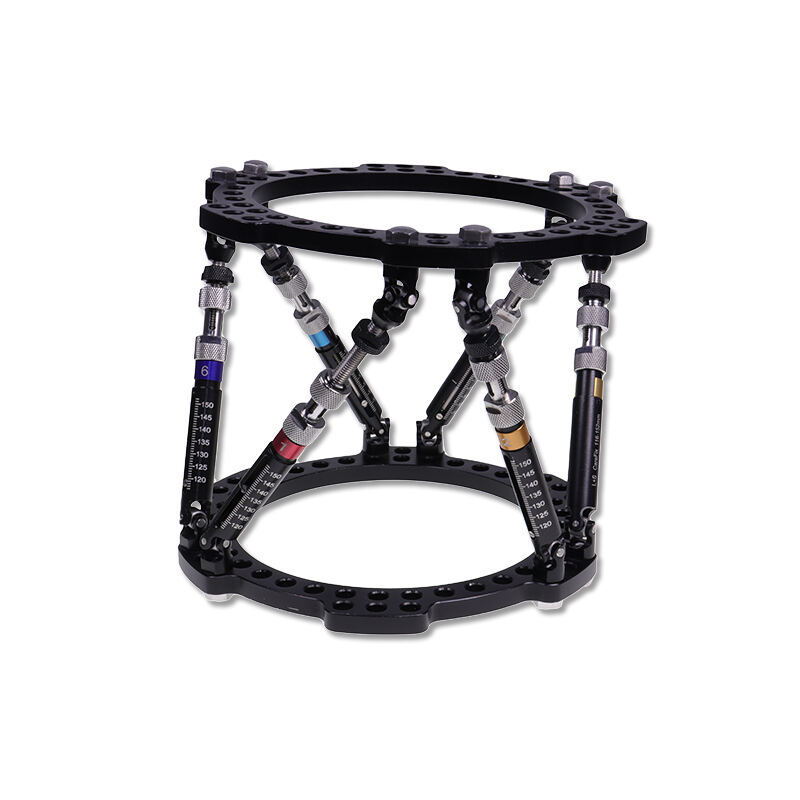
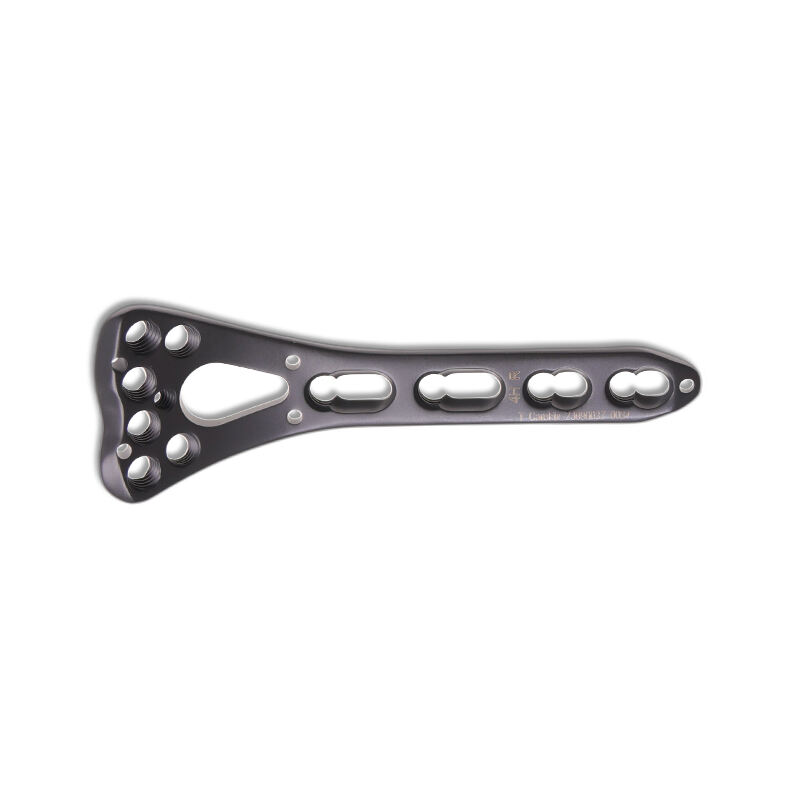
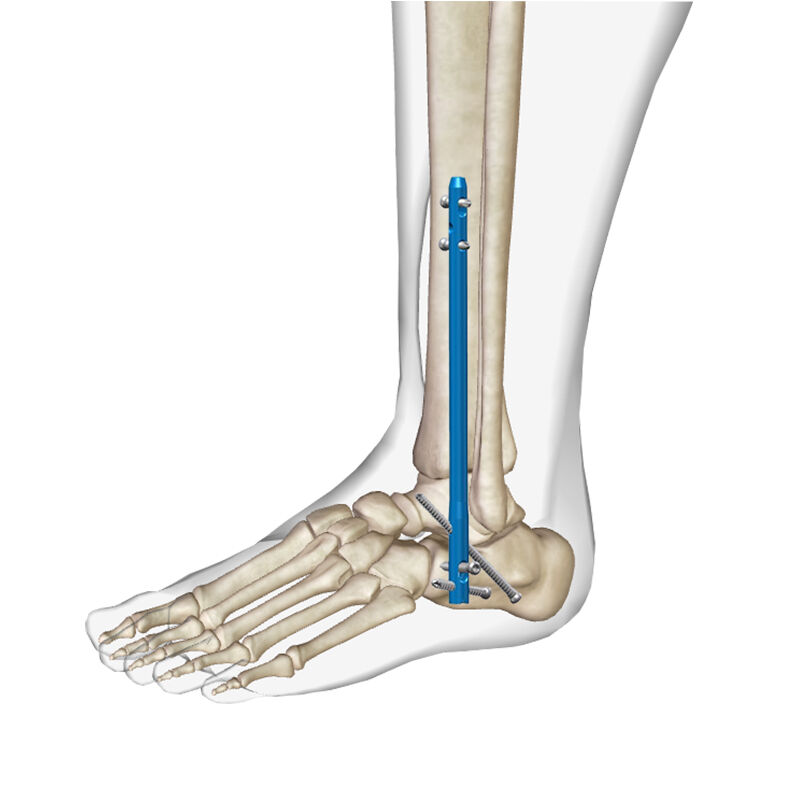
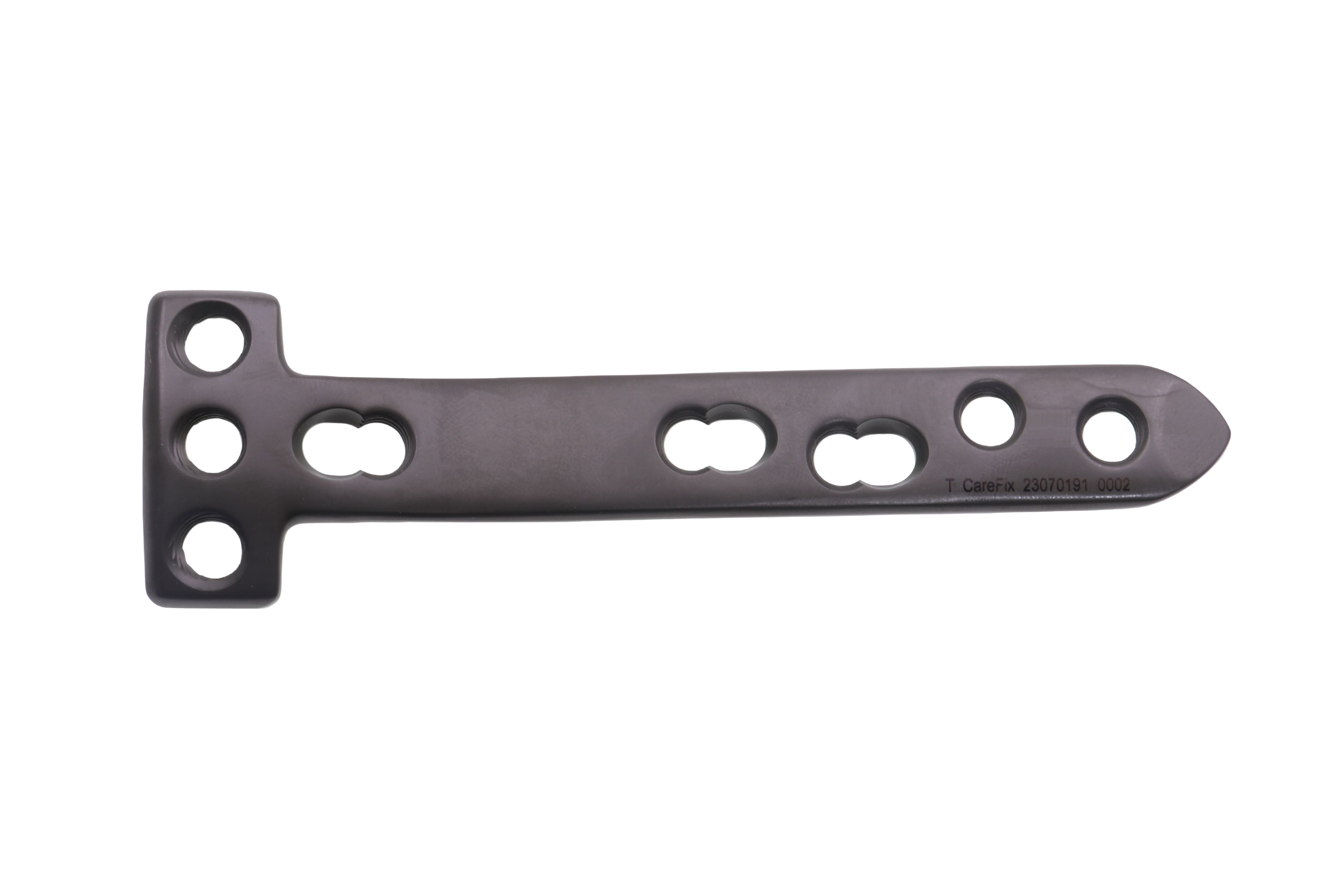
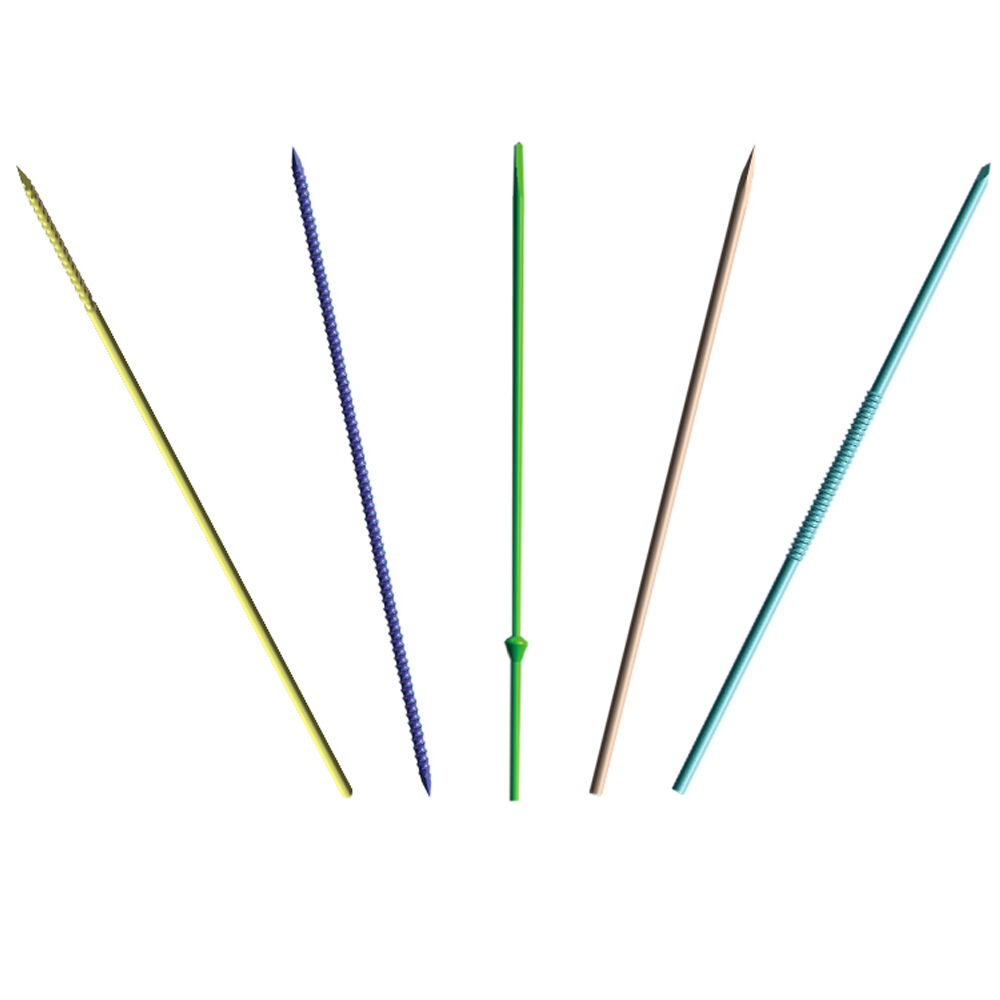
An orthopedic medical device represents a specialized category of equipment engineered to diagnose, treat, and support musculoskeletal conditions affecting bones, joints, ligaments, tendons, and muscles. These sophisticated instruments encompass a broad spectrum of solutions, ranging from surgical implants and external fixation systems to bracing devices and diagnostic tools. Modern orthopedic medical device technology integrates advanced biomaterials, precision engineering, and evidence-based design principles to restore mobility, alleviate pain, and enhance patient quality of life. The primary functions include structural support during healing processes, surgical reconstruction of damaged tissues, corrective alignment of skeletal deformities, and therapeutic intervention for chronic musculoskeletal disorders. Technological features often incorporate biocompatible materials such as titanium alloys, medical-grade polymers, and ceramic composites that promote osseointegration while minimizing rejection risks. Many contemporary orthopedic medical device systems feature modular designs enabling customization to individual patient anatomy, radiolucent properties facilitating post-operative imaging, and surface treatments that accelerate bone ingrowth. Applications span diverse clinical scenarios including trauma surgery for fracture management, joint replacement procedures for arthritis treatment, spinal stabilization interventions, sports medicine rehabilitation, and pediatric growth disorder correction. Healthcare facilities ranging from specialized orthopedic hospitals to ambulatory surgical centers rely on these essential tools to deliver comprehensive musculoskeletal care. The versatility of each orthopedic medical device ensures appropriate solutions exist for both acute injury management and long-term degenerative condition treatment across all patient demographics.
 EN
EN