Medical Orthopedic Products | Solutions & Benefits

Get a Free Quote

Our representative will contact you soon.
Email
Name
Company Name
Message
0/1000

medical orthopedic products

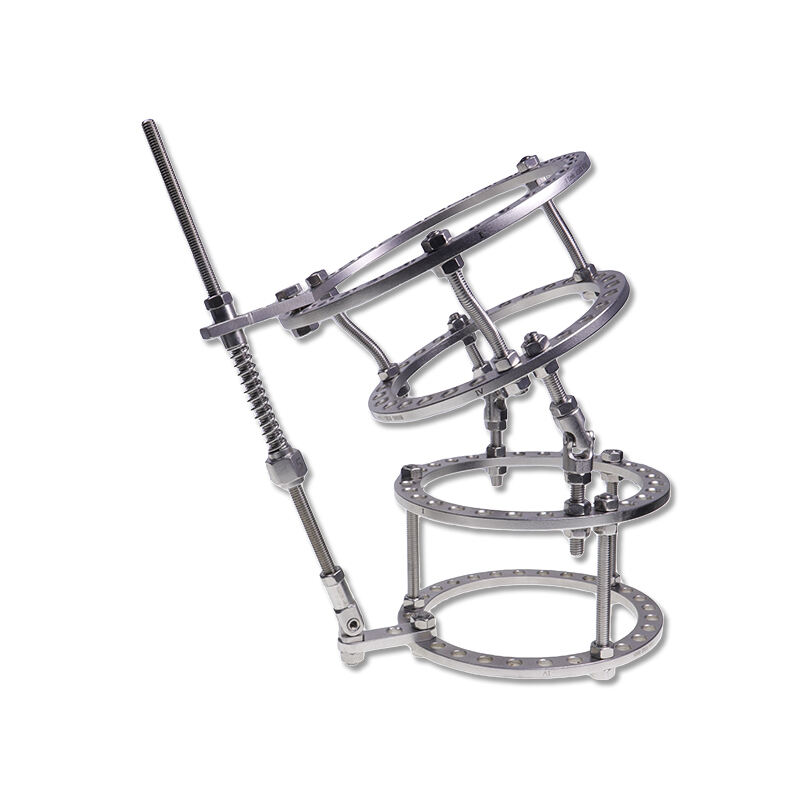
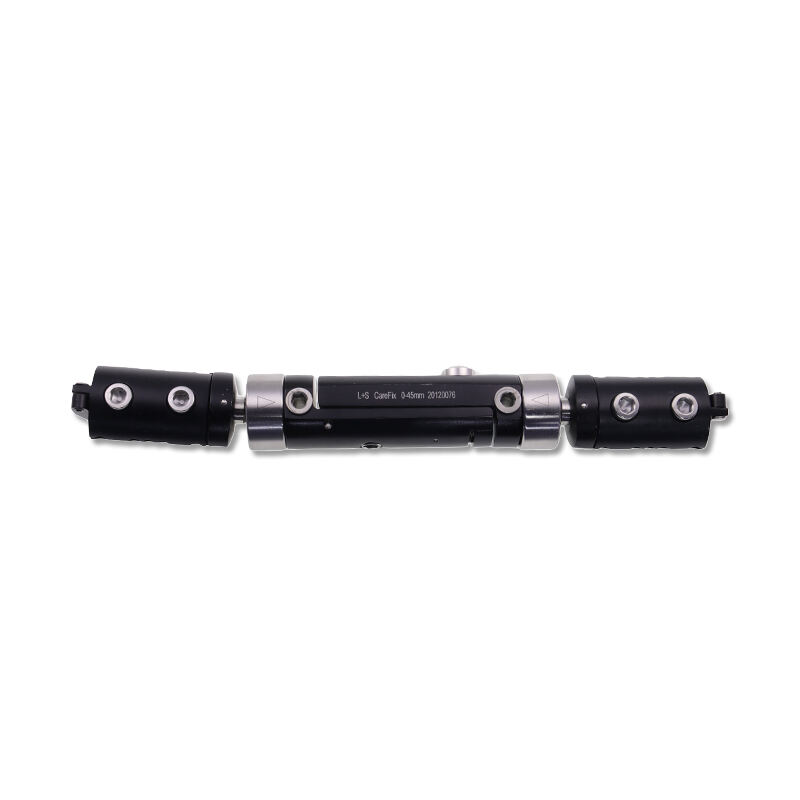
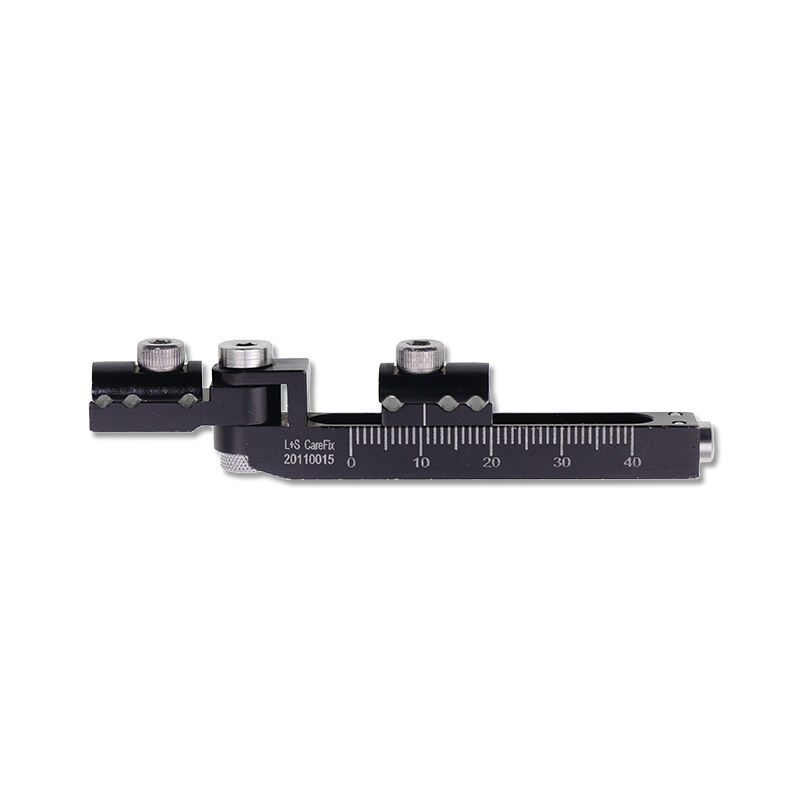
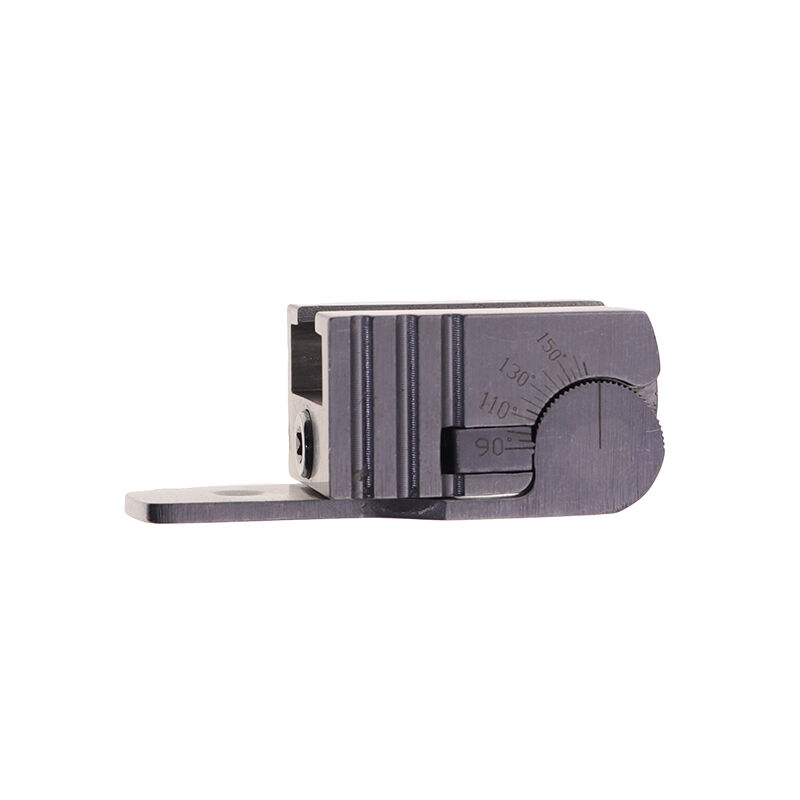
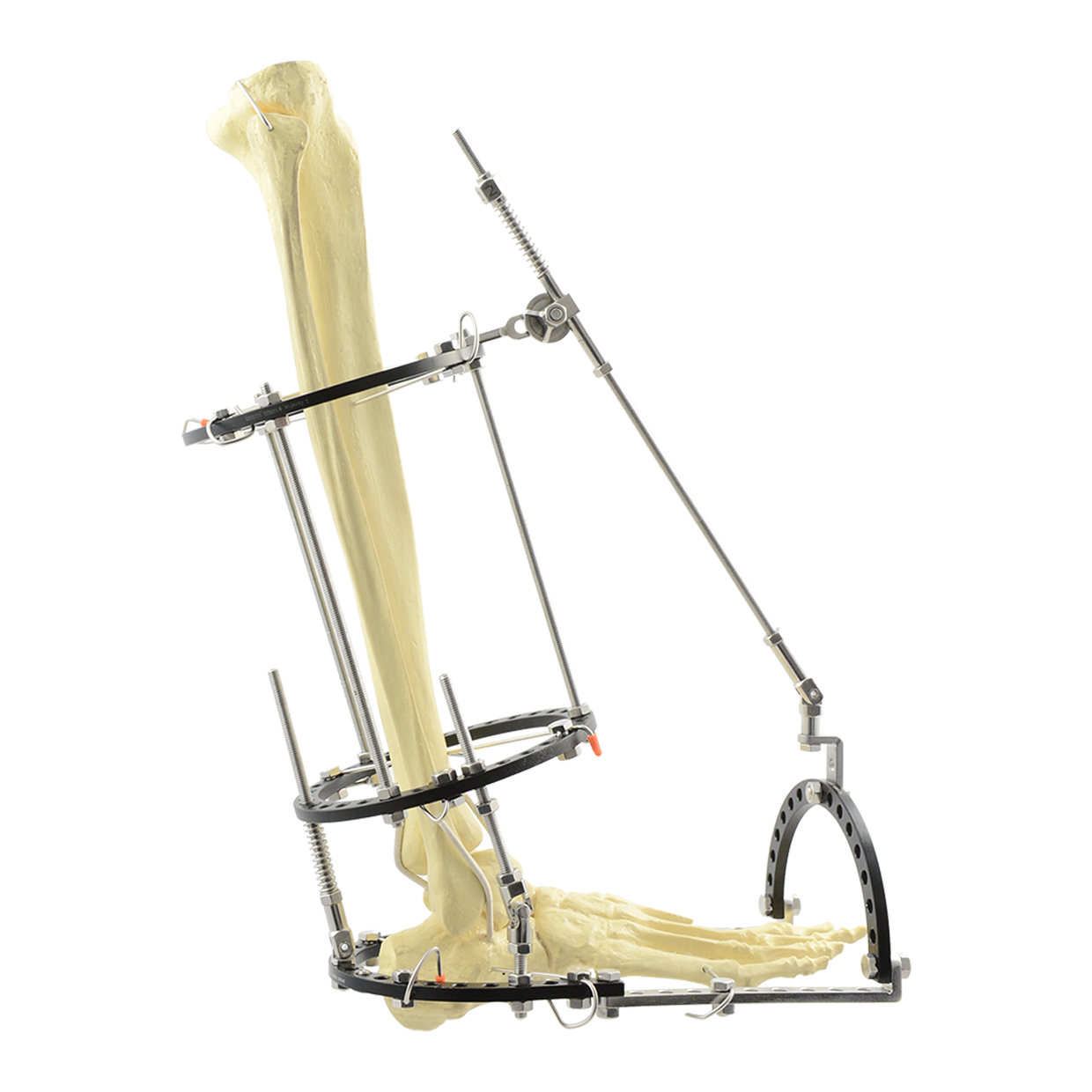
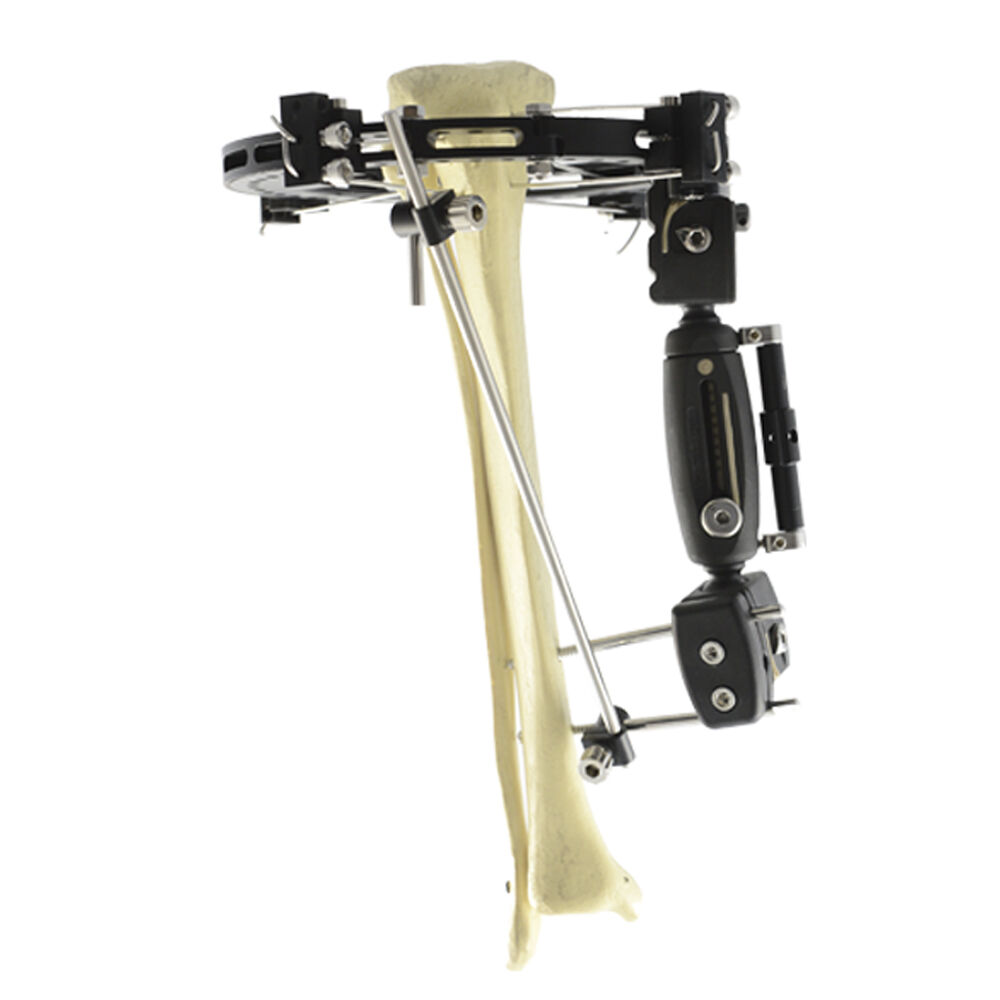
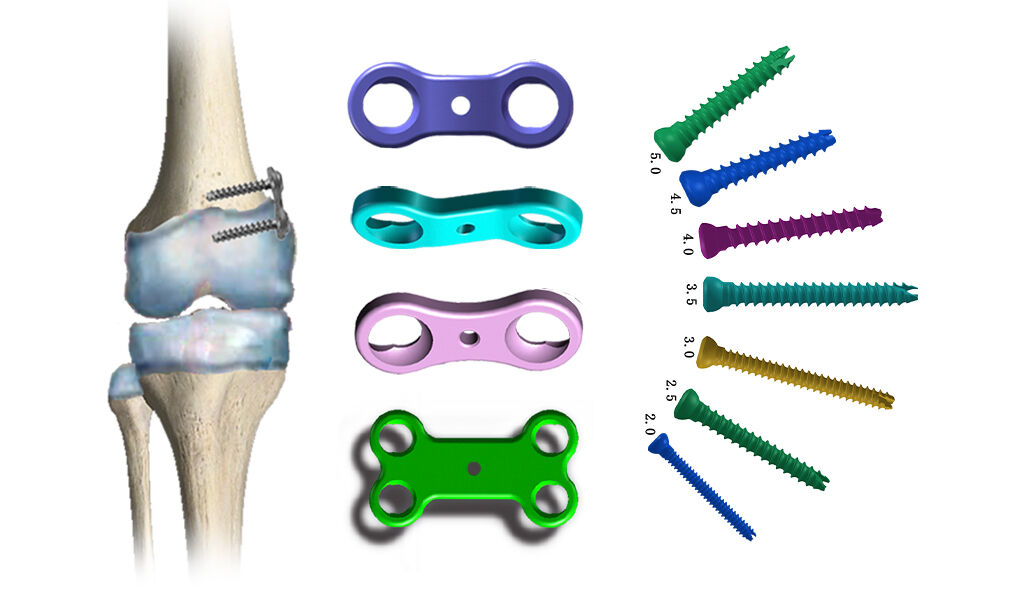
Medical orthopedic products encompass a comprehensive range of devices and equipment designed to support, stabilize, correct, and treat musculoskeletal conditions affecting bones, joints, muscles, ligaments, and tendons. These specialized healthcare solutions play a crucial role in orthopedic surgery, rehabilitation, injury recovery, and ongoing patient care. The main functions of medical orthopedic products include immobilization of injured areas, pain relief, fracture stabilization, joint support, surgical reconstruction, and mobility restoration. Technological features vary widely across product categories, from advanced biomaterials like titanium alloys and biocompatible polymers to precision-engineered implants with computer-aided design optimization. Many modern medical orthopedic products incorporate cutting-edge innovations such as porous surfaces for enhanced bone integration, antimicrobial coatings to reduce infection risk, and modular designs that allow customization for individual patient anatomy. Applications span multiple clinical settings including hospitals, surgical centers, rehabilitation facilities, sports medicine clinics, and home care environments. Common product categories include joint replacement implants for hips, knees, and shoulders, fracture fixation devices like plates and screws, spinal instrumentation systems, orthopedic braces and supports, prosthetic limbs, casting materials, and surgical instruments. Medical orthopedic products serve diverse patient populations from trauma victims and arthritis sufferers to athletes recovering from sports injuries and elderly individuals requiring joint replacement surgery. The continual advancement of these products reflects ongoing research in biomechanics, materials science, and surgical techniques, ultimately improving patient outcomes and quality of life.

New Products

Investing in quality medical orthopedic products delivers substantial value through improved patient outcomes and operational efficiency. These products directly address pain management and functional restoration, enabling patients to return to daily activities faster and with greater comfort. The practical benefits extend beyond immediate treatment, as properly designed medical orthopedic products reduce complication rates, minimize revision surgery needs, and lower long-term healthcare costs. For healthcare providers, reliable orthopedic solutions streamline surgical procedures through intuitive instrumentation and standardized protocols, reducing operating room time and improving resource utilization. Hospitals and clinics benefit from decreased readmission rates when using proven medical orthopedic products with strong clinical evidence supporting their performance. Patient satisfaction increases significantly when orthopedic interventions restore mobility, eliminate chronic pain, and enable participation in meaningful activities without restrictions. The durability and longevity of modern medical orthopedic products mean fewer replacements over a patient's lifetime, representing excellent long-term value. For purchasing decision-makers, selecting established medical orthopedic products with comprehensive regulatory approvals ensures compliance with healthcare standards while protecting institutional reputation. Training and support services accompanying quality orthopedic products facilitate smooth implementation and proper utilization, maximizing return on investment. Application suitability varies by patient demographics and clinical needs, making versatile medical orthopedic products particularly valuable for diverse healthcare settings treating multiple condition types. The biocompatibility and safety profiles of contemporary orthopedic solutions minimize adverse reactions and support natural healing processes. Furthermore, documented clinical outcomes associated with trusted medical orthopedic products provide confidence for both healthcare professionals making treatment decisions and patients seeking reliable solutions for their musculoskeletal conditions. The combination of proven effectiveness, operational advantages, and patient-centered benefits makes medical orthopedic products essential components of modern healthcare delivery.

Tips And Tricks

Evolution of Intervertebral Fusion Device Materials: Clinical Efficacy Comparison between PEEK and Titanium Alloy

13

Jan

Evolution of Intervertebral Fusion Device Materials: Clinical Efficacy Comparison between PEEK and Titanium Alloy

The advancement of spinal surgery has been significantly influenced by the development of sophisticated intervertebral fusion device technologies. Modern spine surgeons rely heavily on these devices to achieve successful fusion outcomes while minimiz...
View More
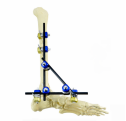
The application advantages of modular braces in ankle fractures

11

Feb

The application advantages of modular braces in ankle fractures

Ankle fractures represent one of the most challenging orthopedic conditions, requiring precise stabilization and optimal healing conditions. Modern orthopedic treatment has evolved significantly with the introduction of advanced fixation systems, par...
View More
Finite Element Optimization Design and Biomechanical Validation of Personalized IM Nails

11

Feb

Finite Element Optimization Design and Biomechanical Validation of Personalized IM Nails

The evolution of orthopedic trauma surgery has reached a pivotal moment with the emergence of personalized IM nails that revolutionize fracture treatment approaches. Advanced computational modeling and finite element analysis have enabled surgeons to...
View More
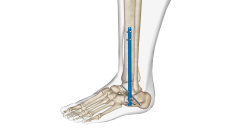
Cannulated screw system: Technological advancements in the treatment of ankle fractures

06

Mar

Cannulated screw system: Technological advancements in the treatment of ankle fractures

Ankle fractures represent one of the most challenging orthopedic injuries requiring precise surgical intervention and advanced fixation methods. The evolution of fracture treatment has been significantly enhanced by the introduction of modern cannula...
View More

Get a Free Quote

Our representative will contact you soon.
Email
Name
Company Name
Message
0/1000

medical orthopedic products

Advanced Biomaterial Technology for Superior Integration

Advanced Biomaterial Technology for Superior Integration

Modern medical orthopedic products utilize cutting-edge biomaterial technology that fundamentally enhances how devices interact with human tissue and bone structures. Titanium alloys, cobalt-chromium compounds, and specialized polyethylene formulations are engineered at the molecular level to optimize strength, wear resistance, and biocompatibility. These advanced materials feature surface treatments and porous architectures that encourage natural bone ingrowth, creating secure biological fixation that mimics the body's own skeletal framework. The result is improved implant stability, reduced loosening risk, and extended product longevity that can last decades in many patients. Antimicrobial coatings incorporated into medical orthopedic products provide an additional layer of protection against surgical site infections, one of the most serious complications in orthopedic procedures. The careful selection and processing of biomaterials ensures that medical orthopedic products maintain structural integrity under demanding physiological loads while remaining inert to avoid inflammatory responses. This technological sophistication translates directly into better clinical outcomes, fewer revision surgeries, and enhanced patient satisfaction with their orthopedic interventions.
Precision Engineering for Anatomical Customization

Precision Engineering for Anatomical Customization

The design and manufacturing of medical orthopedic products now incorporates sophisticated computer-aided engineering and patient-specific customization capabilities that were impossible just years ago. Three-dimensional imaging, biomechanical modeling, and additive manufacturing technologies enable the creation of implants and devices that precisely match individual patient anatomy rather than forcing anatomical compromise with standardized sizes. This precision engineering approach allows surgeons to select from extensive size ranges or even commission custom medical orthopedic products for complex cases involving unusual bone geometry or revision scenarios. Modular component systems provide intraoperative flexibility, enabling surgeons to assemble optimal configurations based on specific surgical findings and patient needs. The mechanical properties of medical orthopedic products are carefully calibrated to replicate natural joint kinematics and load distribution patterns, reducing stress concentrations that could lead to premature failure. Finite element analysis and wear simulation testing during product development ensure that medical orthopedic products can withstand millions of loading cycles representing years of patient activity. This commitment to precision engineering results in more natural feeling movement, better functional outcomes, and greater patient comfort throughout the recovery process and beyond.
Comprehensive Clinical Evidence and Regulatory Validation

Comprehensive Clinical Evidence and Regulatory Validation

Distinguished medical orthopedic products are supported by extensive clinical research, long-term registry data, and rigorous regulatory evaluation that provides confidence for healthcare providers and patients alike. Prospective clinical trials involving thousands of patients demonstrate safety profiles, efficacy benchmarks, and survival rates that inform treatment decisions and set performance expectations. Post-market surveillance through national joint registries tracks real-world performance of medical orthopedic products across diverse populations and practice settings, identifying any emerging concerns while documenting excellent long-term results for proven designs. Regulatory approvals from agencies like the FDA, CE marking authorities, and other international bodies confirm that medical orthopedic products meet stringent requirements for safety, effectiveness, and manufacturing quality. Published peer-reviewed literature provides transparent access to clinical outcomes, allowing objective comparison between different product options and treatment approaches. This evidence foundation enables surgeons to make informed recommendations backed by data rather than marketing claims alone. For healthcare institutions, selecting medical orthopedic products with strong clinical validation supports quality initiatives, reduces liability exposure, and demonstrates commitment to evidence-based medicine. Patients benefit from knowing their treatment involves thoroughly tested medical orthopedic products with documented track records of success.
logo