EN

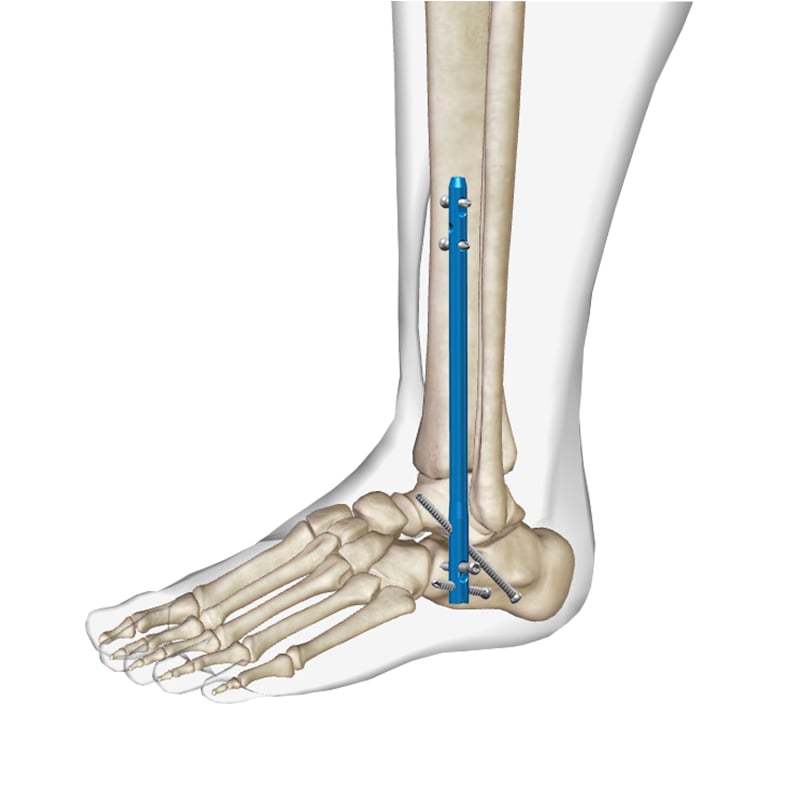
Internal fixation has become a cornerstone of modern orthopedic surgery, providing surgeons with reliable methods to stabilize fractured bones and promote healing. The duration that internal fixation devices can remain in place is a critical consideration for both patients and surgical teams. Understanding the timeline for internal fixation longevity helps clinicians make informed decisions about treatment planning and revision protocols. This comprehensive guide explores the factors that determine how long internal fixation remains effective and safe within the body.
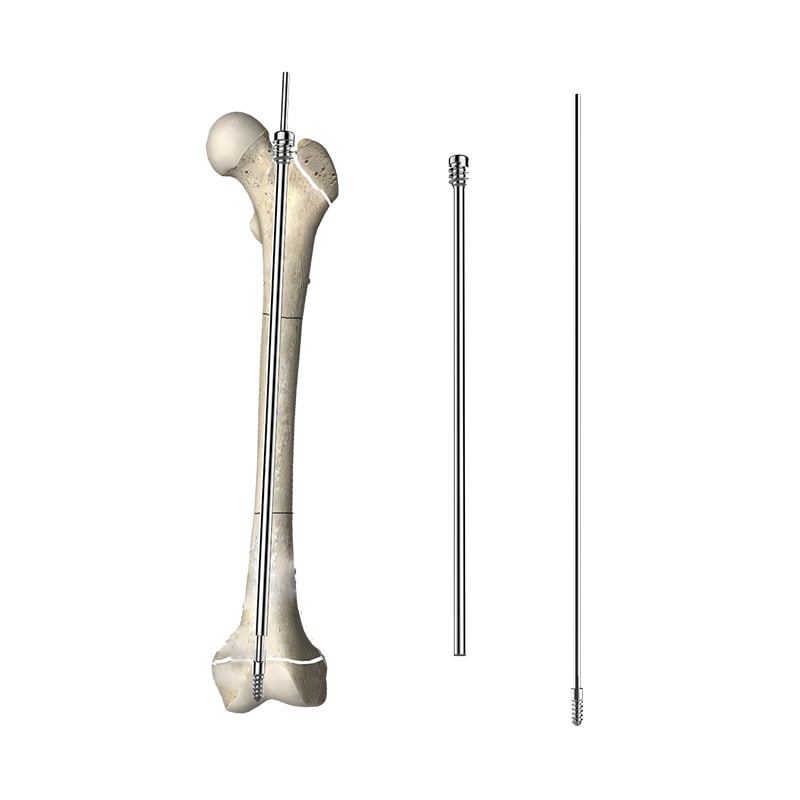
The lifespan of internal fixation depends on multiple variables, including bone healing rates, implant material quality, and patient compliance. While some internal fixation devices can remain indefinitely if well-tolerated, others require removal after bone consolidation. The decision to retain or remove internal fixation involves assessing functional outcomes, infection risk, and patient comfort levels throughout recovery.
Typical Timeline for Internal Fixation Retention
Standard Healing Duration and Bone Consolidation
Most fractures treated with internal fixation achieve sufficient bone healing within three to six months, depending on bone type and patient age. During this critical period, internal fixation maintains stability while osteoblasts deposit new bone matrix and restore structural integrity. The internal fixation system acts as a temporary scaffold, gradually transferring load back to the healing bone as callus formation progresses. Surgeons monitor healing through clinical examination and radiographic imaging to determine when internal fixation has served its primary purpose.
For younger patients with robust healing capacity, internal fixation may stabilize fractures for shorter durations than in elderly or immunocompromised individuals. Femoral shaft fractures typically require internal fixation support for six to twelve weeks before weight-bearing can resume safely. Tibia and fibula fractures often need internal fixation protection for eight to sixteen weeks due to their role in load-bearing. The specific internal fixation timeline depends on fracture complexity, location, and patient-specific healing factors.
Factors Extending Internal Fixation Duration
Comorbid conditions such as diabetes, osteoporosis, or poor nutritional status can significantly prolong the required duration of internal fixation support. Patients with compromised vascular supply experience delayed bone consolidation, necessitating longer internal fixation retention periods. Smoking habits impair osteocyte function and reduce callus formation rates, extending the timeline for internal fixation dependency. Open fractures with soft tissue damage require extended internal fixation stability compared to simple closed fractures.
Infection or nonunion complications demand that internal fixation remain in place longer than originally anticipated. When internal fixation fails to achieve adequate stability or bone healing stalls, revision surgery and extended internal fixation support become necessary. Polytrauma patients with multiple injuries may require prolonged internal fixation due to their complex recovery trajectory and delayed mobilization protocols.
Permanent Versus Removable Internal Fixation Approaches
When Internal Fixation Remains Indefinitely
Many patients tolerate internal fixation exceptionally well, allowing permanent retention after successful bone healing. Intramedullary nailing for femoral shaft fractures often results in internal fixation remaining indefinitely without causing patient symptoms or functional limitations. Joint replacement implants and certain spinal fusion constructs incorporate internal fixation as permanent components that support long-term function. When internal fixation integrates seamlessly with healed bone and soft tissue, removal becomes unnecessary and potentially harmful.
Permanent internal fixation eliminates revision surgery risks and associated complications while providing stable long-term structural support. Patients with well-healed fractures demonstrate normal strength and mobility without requiring internal fixation removal. The integration of implant surfaces with surrounding bone tissue enhances stability over time, making internal fixation an essentially permanent structural component. Modern implant design prioritizes biocompatibility and long-term tolerance, supporting indefinite retention when no adverse effects emerge.
Planned Internal Fixation Removal Protocols
Some surgical approaches specifically plan for internal fixation removal after bone consolidation completes. Pediatric patients frequently undergo internal fixation removal to prevent growth disturbances and preserve normal skeletal development. Tension band wiring for olecranon or patella fractures typically requires internal fixation removal once bony union confirms. Plate fixation in young patients may necessitate removal to prevent stress shielding and long-term bone resorption.
The timing of planned internal fixation removal typically occurs between six and twelve months after initial injury, once radiographic evidence confirms solid bony union. Surgeons schedule internal fixation removal procedures after ensuring adequate callus formation and functional healing status. Removal requires additional anesthesia and surgical trauma, so decisions must carefully weigh benefits against risks. Patient age, bone quality, and implant location significantly influence whether internal fixation removal is recommended or contraindicated.
Complications Influencing Internal Fixation Longevity
Infection and Mechanical Failure Risks
Surgical site infection represents a significant complication that can necessitate early internal fixation removal or revision. Persistent infection around internal fixation devices creates chronic inflammatory responses that impair bone healing and compromise implant-bone integration. Deep infections may require internal fixation replacement with alternative stabilization methods or temporary external fixation while infection resolves. Early detection and aggressive antibiotic therapy help preserve internal fixation integrity and avoid premature removal.
Mechanical failure of internal fixation devices, though uncommon, can occur through fatigue fracture, corrosion, or component loosening. Hardware fracture typically necessitates internal fixation revision and extended support until bone consolidation achieves adequate strength. Corrosion-related complications depend on implant material quality and patient factors affecting implant longevity. Modern internal fixation materials resist corrosion significantly better than earlier generation devices, reducing failure rates substantially.
Late Complications and Long-Term Tolerance
Some patients develop late complications from internal fixation retention, including chronic pain, implant prominence, or soft tissue irritation. Hardware prominence can cause discomfort during physical activity or when lying on the affected area, occasionally prompting internal fixation removal. Chronic regional pain syndrome occasionally develops after internal fixation placement, potentially benefiting from hardware removal. Allergic or inflammatory responses to implant materials, though rare with modern biocompatible designs, can justify internal fixation extraction.
The ability to tolerate internal fixation long-term varies significantly among patients based on individual healing responses and tissue reactions. Some individuals experience minimal symptoms with internal fixation remaining indefinitely, while others develop complications necessitating removal. Regular clinical follow-up allows early identification of internal fixation-related issues before they progress to serious complications. Patient education regarding implant presence and expected long-term outcomes helps establish realistic expectations about internal fixation retention duration.
FAQ
How long does internal fixation typically stay in the body after bone healing?
Internal fixation typically remains in place indefinitely once bone has healed completely, which usually occurs within three to twelve months depending on fracture type and location. Most patients experience no adverse effects from permanent internal fixation retention, allowing it to serve as a permanent structural component. However, some surgical approaches specifically plan for internal fixation removal after bone consolidation confirms, particularly in pediatric patients or cases with specific indications for hardware extraction.
What factors determine whether internal fixation should be removed?
Removal decisions depend on patient age, bone healing quality, implant tolerance, and presence of complications. Pediatric patients frequently require internal fixation removal to prevent growth disturbances, while adults generally tolerate indefinite retention well. Symptoms such as chronic pain, hardware prominence, or recurrent infections may prompt internal fixation removal. Radiographic confirmation of solid bony union and clinical judgment regarding long-term implant effects guide removal timing decisions.
Can internal fixation devices fail or cause problems after years of placement?
While modern internal fixation devices rarely fail after years of successful retention, late complications can occur including corrosion, mechanical loosening, or chronic inflammatory responses. Material quality and biocompatibility significantly influence long-term implant tolerance and durability. Most patients experience no problems from internal fixation retained indefinitely, but periodic clinical monitoring helps detect any emerging issues early before they compromise function or require intervention.