EN

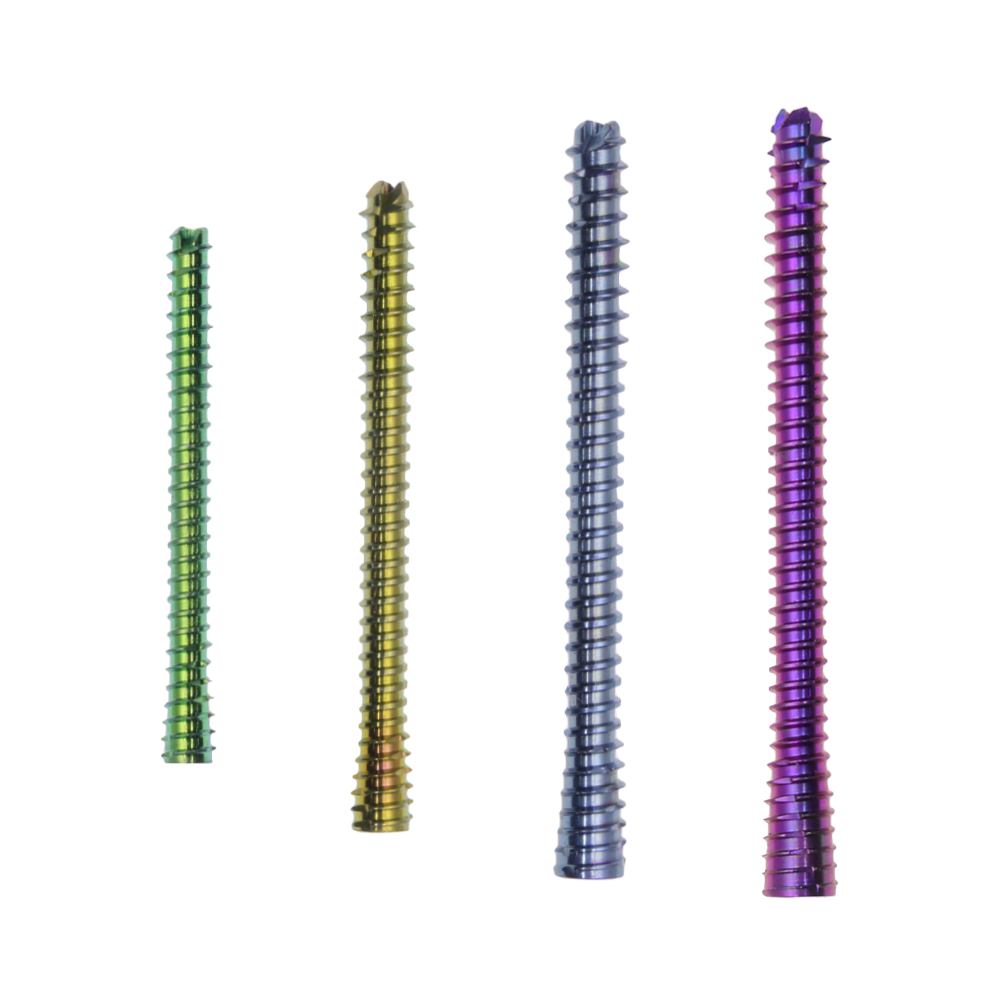
Selecting the right surgical approach for bone fractures depends on understanding the strengths and limitations of available techniques. Internal fixation encompasses multiple methods designed to restore anatomical alignment and promote healing, with intramedullary nailing and plate fixation representing the two most widely adopted approaches in orthopedic surgery. Both techniques offer proven clinical outcomes, yet they differ significantly in biomechanical properties, surgical accessibility, patient recovery profiles, and suitability across different injury patterns and anatomical locations. Understanding these distinctions empowers surgical teams to make evidence-based decisions that optimize patient outcomes while minimizing complications and revision rates.
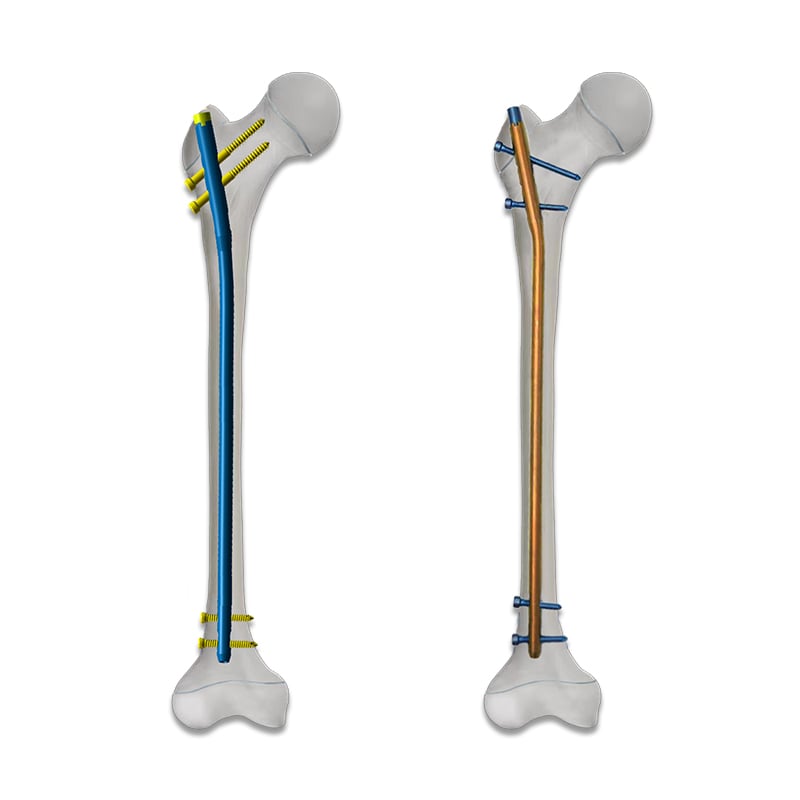
The choice between these two primary internal fixation methods remains one of the most clinically significant decisions in orthopedic practice. Each approach carries distinct mechanical advantages that translate directly into patient outcomes, rehabilitation timelines, and long-term functional recovery. Surgeons must evaluate fracture morphology, bone quality, patient age, associated injuries, and institutional expertise when determining the optimal strategy for achieving stable internal fixation that supports early mobilization and reduces systemic complications.
Biomechanical Principles of Intramedullary Nailing
Load-Sharing and Stress Distribution
Intramedullary nailing achieves internal fixation by placing a metal rod directly within the medullary canal, utilizing the bone's natural hollow structure to distribute mechanical loads along the length of the bone rather than concentrating stress at localized attachment points. This load-sharing mechanism reduces shear forces at the fracture site and maintains the periosteal blood supply more effectively than devices applied to the bone surface. Modern interlocking nail systems enhance the stability of internal fixation by incorporating proximal and distal locking mechanisms that prevent rotation and length loss, transforming the intramedullary nail into a construct capable of managing complex fracture patterns with minimal additional support.
Clinical Advantages in Specific Scenarios
Intramedullary nailing provides superior internal fixation when treating polytrauma patients, segmental fractures, or pathological bone disease where maintaining soft tissue envelope integrity becomes paramount. The minimally invasive nature of nail insertion reduces operative time and blood loss compared to extensive surgical exposure required for plate-based internal fixation. Patients undergoing intramedullary nail fixation typically experience faster weight-bearing progression and earlier return to functional activities, making this approach particularly valuable in institutional settings prioritizing rapid rehabilitation and reduced hospitalization duration.
Plate Fixation: Rigidity and Direct Visualization
Rigid Fixation and Compression Techniques
Plate-based internal fixation systems provide exceptional rigidity through direct bone contact and mechanical compression, eliminating micromotion at the fracture site and promoting primary bone healing when anatomical reduction and sufficient screw density are achieved. Dynamic compression plates and locking compression plates represent the technological evolution of internal fixation hardware, offering surgeons flexibility in choosing between absolute rigidity and relative stability depending on fracture personality and bone vascularity. The direct visualization afforded by open surgical approaches enables precise anatomical reduction, particularly valuable in intra-articular fractures where restoration of articular congruity directly correlates with post-traumatic osteoarthritis prevention.
Accessibility and Technical Considerations
Plate-based internal fixation requires more extensive surgical dissection and soft tissue stripping than intramedullary techniques, which may compromise periosteal blood supply and increase infection risk in contaminated injury scenarios. However, this extensile exposure permits direct fracture visualization, reduction confirmation, and hardware placement with minimal radiographic guidance dependence. For diaphyseal fractures with simple morphology and adequate bone stock, plate fixation remains a reliable method of achieving predictable internal fixation with excellent long-term stability and proven outcomes across multiple decades of clinical experience.
Clinical Decision-Making Framework for Internal Fixation Selection
Fracture Pattern and Anatomical Considerations
The fracture pattern fundamentally influences whether intramedullary nailing or plate fixation offers superior internal fixation outcomes for a specific patient. Simple transverse or short oblique fractures typically achieve excellent results with either technique, but intramedullary nailing becomes advantageous for comminuted, segmental, or butterfly fragment patterns where plate fixation would require excessive hardware or compromise soft tissue preservation. Pathological fractures, nonunion cases, and revision scenarios often benefit from plate-based internal fixation because direct visualization enables bone grafting, hardware augmentation, and management of compromised bone stock that intramedullary techniques cannot adequately address.
Patient Factors and Institutional Resources
Patient age, bone quality, associated injuries, and rehabilitation capacity significantly influence the selection of appropriate internal fixation strategy. Younger patients with traumatic injuries often tolerate intramedullary nailing excellently, achieving rapid functional recovery and early weight-bearing progression that supports return to occupational and recreational activities. Elderly patients with osteoporotic bone, multiple comorbidities, or limited rehabilitation potential may benefit from the rigid fixation and direct visualization advantages of plate-based internal fixation, particularly when surgical speed and minimization of operative trauma take precedence. Institutional expertise, available imaging infrastructure, surgical team experience, and equipment inventory necessarily factor into clinical decision-making when selecting the optimal method for achieving successful internal fixation.
Complications, Outcomes, and Long-Term Performance
Hardware-Related Complications and Revision Patterns
Both intramedullary nailing and plate-based internal fixation techniques carry distinct complication profiles that surgeons must understand when counseling patients and planning operative strategy. Intramedullary nailing complications include hardware migration, locking screw failure, and stress riser effects leading to refracture after hardware removal, though infection rates remain lower than plate fixation due to minimal soft tissue disruption. Plate-based internal fixation carries higher infection risk in contaminated injuries and requires second surgery for hardware removal, but delivers superior outcomes in intra-articular fractures and nonunion management. Long-term follow-up studies demonstrate equivalent functional outcomes between techniques when appropriate fracture-to-fixation matching occurs, suggesting that surgeon expertise and proper case selection matter more than inherent technique superiority for achieving durable internal fixation.
Comparative Effectiveness Across Fracture Types
Meta-analyses comparing intramedullary nailing and plate fixation reveal that no single technique provides universal superiority across all fracture scenarios. For femoral diaphyseal fractures, intramedullary nailing yields faster weight-bearing and lower infection rates in trauma populations. For tibial shaft fractures, outcomes remain equivalent between techniques when anatomical reduction and adequate fixation are achieved through either method. For humeral shaft fractures, plate fixation maintains slight advantages due to preserved radial nerve visualization and lower hardware removal complications. The evidence clearly indicates that successful internal fixation outcomes depend on matching technique selection to fracture morphology, patient factors, and surgical team capability rather than defaulting to either approach universally.
FAQ
When should intramedullary nailing be preferred over plate fixation for internal fixation?
Intramedullary nailing represents the superior choice for internal fixation when treating polytrauma patients, segmental fractures, comminuted patterns, or situations requiring minimization of soft tissue disruption. The rapid weight-bearing capability, lower infection risk, and biomechanical advantages in managing complex fracture patterns make intramedullary nailing the preferred internal fixation method for many trauma scenarios. However, intra-articular fractures, severe osteoporotic bone, and revision nonunion cases often benefit more from plate-based internal fixation due to superior visualization and fixation flexibility.
What are the primary limitations of plate fixation for internal fixation compared to intramedullary techniques?
Plate-based internal fixation requires more extensive surgical exposure, potentially compromising soft tissue preservation and increasing infection risk in contaminated injuries compared to minimally invasive intramedullary approaches. Additionally, plate fixation demands a second surgery for hardware removal in many cases, whereas intramedullary nailing can remain in situ indefinitely without functional consequences for most patients. Despite these limitations, plate fixation remains essential for achieving successful internal fixation in anatomically complex scenarios where direct visualization and rigid fixation supersede soft tissue preservation concerns.
How does bone quality influence the choice between intramedullary nailing and plate fixation for internal fixation?
Osteoporotic bone presents significant challenges for both intramedullary nailing and plate fixation as methods of achieving reliable internal fixation, but they fail through different mechanisms. Poor bone quality compromises screw purchase and load-sharing in intramedullary nailing, while plate fixation may rely on reduced screw density or supplemental grafting. For elderly patients with severe osteoporosis, plate-based internal fixation often provides more predictable outcomes through direct visualization, percutaneous techniques, and the ability to assess bone quality intraoperatively before finalizing the fixation strategy. Younger patients with normal bone quality typically achieve excellent results with either technique when proper surgical execution and fracture-fixation matching are prioritized.
Table of Contents
- Biomechanical Principles of Intramedullary Nailing
- Plate Fixation: Rigidity and Direct Visualization
- Clinical Decision-Making Framework for Internal Fixation Selection
- Complications, Outcomes, and Long-Term Performance
-
FAQ
- When should intramedullary nailing be preferred over plate fixation for internal fixation?
- What are the primary limitations of plate fixation for internal fixation compared to intramedullary techniques?
- How does bone quality influence the choice between intramedullary nailing and plate fixation for internal fixation?