EN
Orthopedic surgeons worldwide have embraced internal fixation as a gold standard approach for managing complex bone fractures. Among the most effective techniques, intramedullary nailing represents a transformative advancement in fracture care. This minimally invasive procedure utilizing internal fixation principles offers surgeons precision, patients faster recovery times, and healthcare facilities improved surgical outcomes. Understanding the clinical advantages of this approach is essential for medical professionals, patients seeking optimal treatment, and anyone involved in orthopedic decision-making.
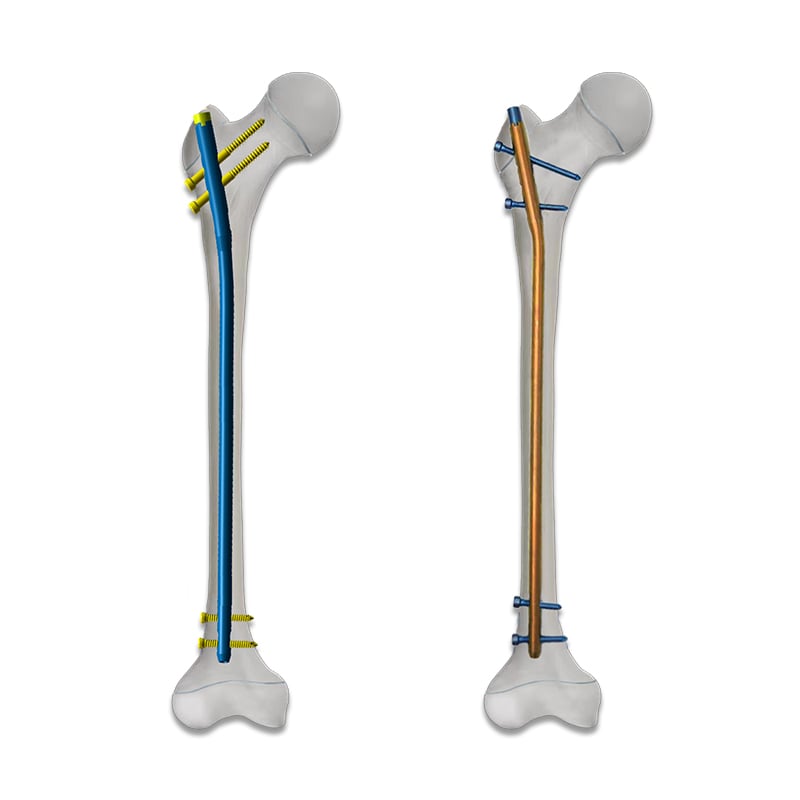
Intramedullary nailing, as a form of internal fixation, has revolutionized fracture management by combining structural stability with biological efficiency. The technique involves inserting a specially designed nail into the medullary canal of long bones, creating a load-sharing construct that allows early mobilization. This approach represents a significant leap forward compared to older external fixation methods. By exploring the ten key advantages of intramedullary nail treatment, surgeons and patients can better understand why this method has become the preferred choice for managing femoral, tibial, and humeral fractures in both adult and pediatric populations.
Biomechanical Stability and Load-Sharing Capacity
Superior Structural Support Through Internal Fixation
The primary advantage of internal fixation using intramedullary nailing lies in its exceptional biomechanical stability. Unlike external devices that provide rigid fixation from outside the bone, intramedullary nailing creates an internal construct that shares load directly through the nail and surrounding bone tissue. This load-sharing mechanism stimulates natural bone healing processes by maintaining physiologic stress across the fracture site. Surgeons benefit from this approach because it reduces stress shielding, a phenomenon where implants absorb all load, preventing proper bone remodeling and potentially leading to osteoporosis around the fracture site.
Early Mobilization and Weight-Bearing Capacity
With secure internal fixation provided by intramedullary nails, patients can begin mobilizing their affected limbs far earlier than traditional casting or external fixation would allow. The nail's design, particularly when using interlocking screws, distributes forces effectively enough that surgeons often clear patients for partial or full weight-bearing within days of surgery. This capability dramatically accelerates rehabilitation protocols, reducing complications associated with prolonged immobilization such as muscle atrophy, joint stiffness, and thromboembolism. Early mobilization also improves patient compliance and psychological outcomes during recovery.
Minimally Invasive Approach and Surgical Benefits
Reduced Soft Tissue Trauma Through Internal Fixation
Intramedullary nailing achieves internal fixation through smaller, more strategic incisions compared to open plating techniques. The minimally invasive nature of the procedure preserves muscular attachments, maintains vascular supply, and reduces initial soft tissue damage. Surgeons can typically access the insertion point through a small portal, thread the nail down the bone's medullary canal, and secure it with interlocking screws using percutaneous techniques. This approach minimizes bleeding, reduces infection risk, and allows faster soft tissue healing. For polytrauma patients with multiple injuries, the reduced surgical burden of intramedullary nailing enables faster overall recovery compared to extensive open reduction strategies.
Blood Loss Reduction and Anesthetic Advantages
Because intramedullary nailing requires smaller incisions than conventional plating, internal fixation through nailing results in significantly less intraoperative and postoperative blood loss. Reduced blood loss means fewer transfusion requirements, lower infection risks, and decreased hemodynamic stress on patients. The procedure's shorter operative time and minimal soft tissue manipulation also translate to reduced anesthetic duration and faster recovery in the post-anesthesia care unit. For elderly patients or those with compromised cardiovascular systems, these advantages can be particularly significant.
Clinical Outcomes and Patient Recovery
Accelerated Union and Return to Function
Numerous clinical studies demonstrate that internal fixation via intramedullary nailing promotes faster fracture union compared to non-operative or less stable fixation methods. The maintained load-sharing and early mobilization work synergistically to stimulate callus formation and bone healing. Patients typically achieve functional recovery and return to normal daily activities weeks faster than those treated with external devices. This advantage becomes particularly important for working-age individuals who need to resume employment and for elderly patients who benefit from faster independence in activities of daily living.
Lower Infection and Complication Rates
Internal fixation using intramedullary nails results in substantially lower infection rates compared to external fixation methods. The absence of external pins or devices eliminates pin-tract complications, environmental contamination pathways, and the need for regular pin site care. Closed nailing techniques reduce wound exposure and infection risk, particularly important in contaminated or crush injury scenarios. Union complications, including nonunion and delayed union, occur less frequently with stable internal fixation than with less rigid constructs. These reduced complication rates translate directly to fewer revision surgeries and better long-term outcomes.
Versatility and Broad Clinical Application
Multi-Bone Compatibility and Fracture Pattern Flexibility
Intramedullary nailing offers remarkable versatility in treating diverse fracture patterns and bone types through internal fixation principles. Whether managing simple transverse fractures, complex comminuted patterns, pathological fractures, or segmental defects, surgeons can customize nail selection and locking options to suit specific clinical scenarios. The technique works effectively in femoral shaft fractures, proximal femur fractures with specialized designs, tibial fractures, humeral fractures, and increasingly in forearm bones. This broad applicability means that internal fixation via intramedullary nailing can serve as a unified treatment strategy across multiple anatomic locations.
Pediatric and Adult Population Suitability
Modern internal fixation technology has evolved to accommodate both pediatric and adult patient populations effectively. Pediatric-specific intramedullary nail designs account for bone growth, physis proximity, and smaller bone dimensions. The technique allows children to return to normal activities quickly without long-term immobilization concerns. Adult designs accommodate larger bone diameters, higher functional demands, and complex fracture patterns. This population flexibility means that internal fixation through intramedullary nailing can serve patients across the entire age spectrum, from growing children through elderly individuals.
FAQ
How does internal fixation through intramedullary nailing compare to plate fixation?
Intramedullary nailing offers several advantages over plate-based internal fixation including smaller incisions, reduced soft tissue trauma, load-sharing biomechanics, and lower infection rates. However, plate fixation remains superior for certain metaphyseal fractures and specific anatomic locations. The choice between techniques depends on fracture location, pattern, patient factors, and surgeon expertise. Both methods utilize internal fixation principles, but nailing's minimally invasive nature often provides clinical advantages in diaphyseal fracture management.
What is the recovery timeline for patients treated with intramedullary nail internal fixation?
Recovery from intramedullary nail internal fixation varies based on fracture complexity, patient age, and rehabilitation participation. Most patients achieve partial weight-bearing within 1–2 weeks and progress to full weight-bearing by 4–6 weeks. Return to normal activities typically occurs within 8–12 weeks, significantly faster than traditional casting approaches. Bony union generally occurs within 12–16 weeks depending on fracture pattern complexity. The internal fixation stability provided by nailing enables this accelerated timeline compared to non-operative management.
Are there any limitations or contraindications to intramedullary nail internal fixation?
While intramedullary nailing represents an excellent internal fixation option for most diaphyseal fractures, certain scenarios may warrant alternative approaches. Severe contaminated or open fractures, bone infections, or severe osteoporosis may create challenges for internal fixation via nailing. Metaphyseal fractures close to joints may be better managed with plate fixation. Patients with extremely small bone diameter or significant angulation may require custom solutions. Surgeons evaluate each patient individually to determine whether intramedullary nail internal fixation represents the optimal treatment strategy for their specific clinical presentation.