EN

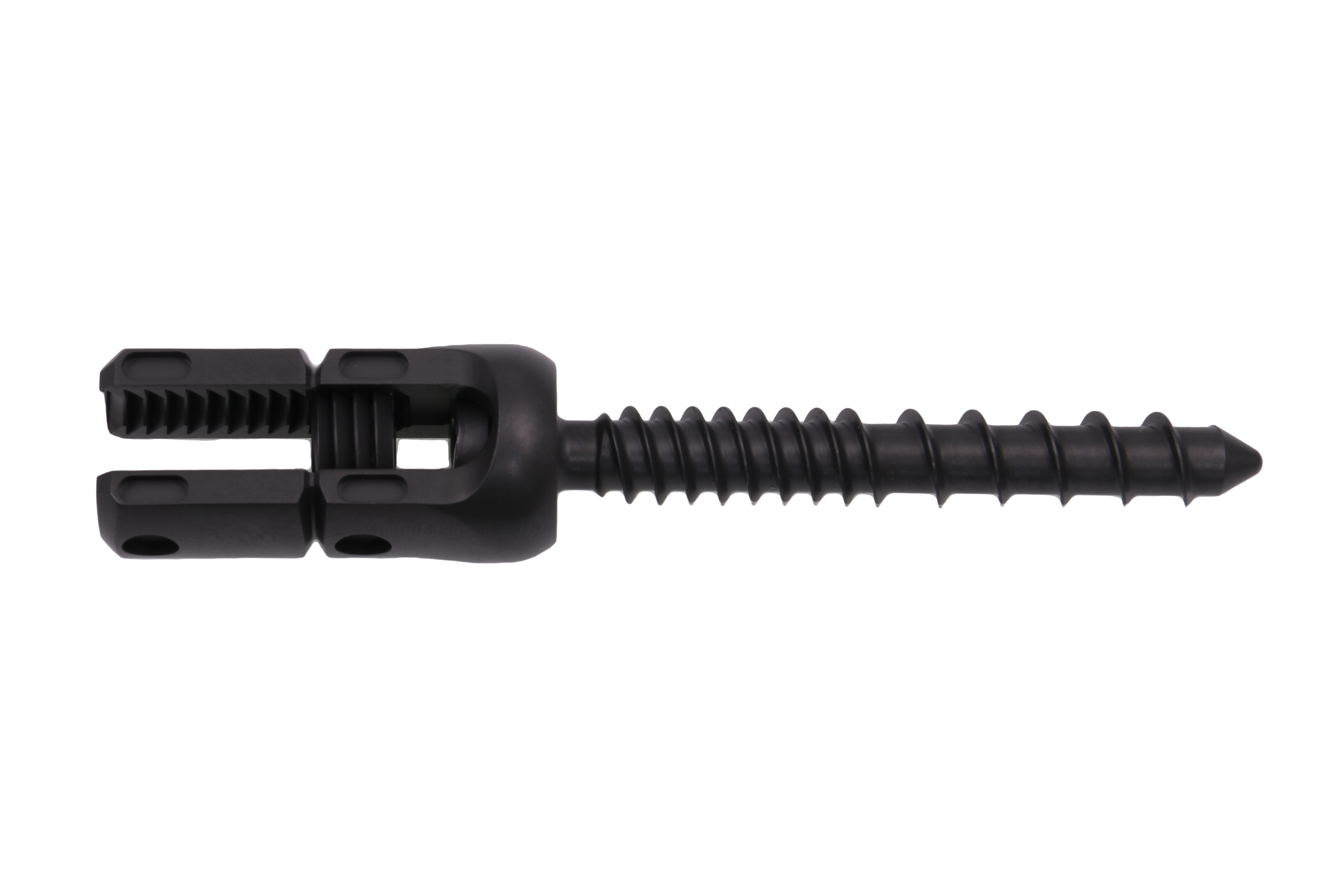
Posterior spinal fixation has evolved significantly over the past two decades, with pedicle screw systems emerging as the gold standard for addressing complex vertebral pathologies. While traditional hook-rod constructs dominated spinal surgery for years, the pedicle screw represents a fundamental shift toward more precise, stable, and versatile fixation methods. Understanding the advantages of pedicle screw technology compared to hook-rod systems is essential for spine surgeons, orthopedic specialists, and surgical teams seeking to optimize patient outcomes and reduce complication rates.
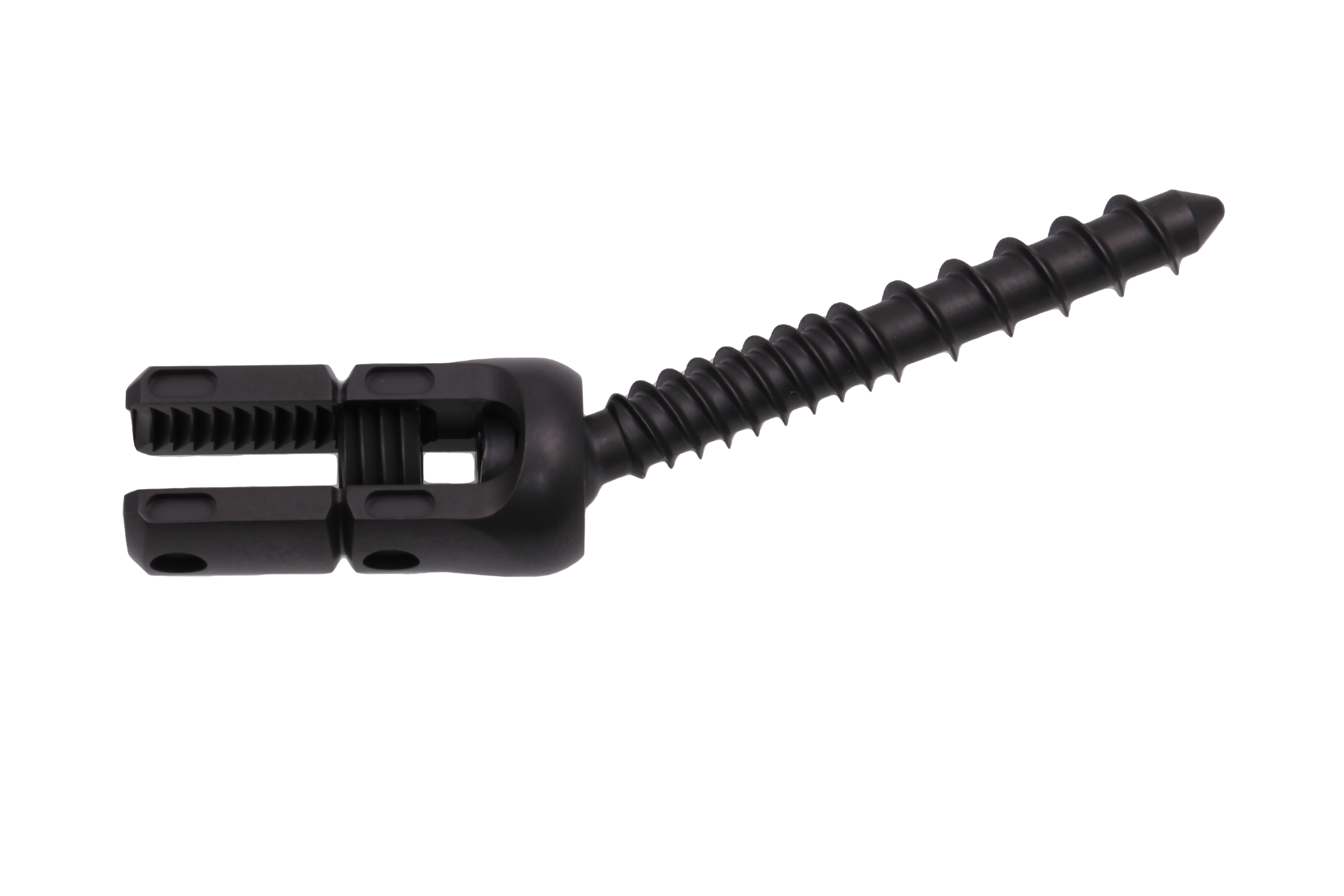
The evolution from hook-rod constructs to pedicle screw fixation reflects advances in biomechanical understanding and surgical technique refinement. Modern pedicle screw systems offer superior segmental control, enhanced load distribution, and reduced stress shielding compared to their predecessors. This shift has fundamentally changed how spine surgeons approach posterior fixation, with most contemporary procedures now utilizing pedicle screw technology as the primary fixation modality for various spinal conditions.
Enhanced Biomechanical Stability and Load Distribution
Superior Segmental Control with Pedicle Screw Fixation
A pedicle screw achieves mechanical advantage through direct engagement with the vertebral body's strongest anatomical component. Unlike hook-rod systems that rely on ligamentous structures and laminar contact points, the pedicle screw creates multiple load-sharing pathways through the trabecular bone architecture. This three-column fixation principle means a pedicle screw can resist forces in multiple planes simultaneously, providing exceptional stability in flexion, extension, lateral bending, and rotational movements.
The biomechanical superiority of pedicle screw fixation becomes particularly evident in multilevel constructs. When multiple pedicle screw systems are combined within a single surgical construct, the cumulative segmental control exceeds what hook-rod systems can achieve across equivalent levels. This enhanced stability translates directly to reduced micromotion at the fixation interface, promoting more favorable fusion biology and predictable bone healing.
Stress Distribution and Long-Term Durability
Hook-rod systems concentrate mechanical stress at specific anatomical contact points, creating stress riser zones that can lead to hardware fatigue and loosening over time. A pedicle screw distributes loads more uniformly across the vertebral body, reducing peak stress concentrations at any single point. This more physiologic load distribution minimizes implant-related complications and extends the functional longevity of the fixation construct.
The pedicle screw's ability to distribute stress also reduces strain on adjacent segments. While hook-rod systems can create discontinuous force transmission patterns that accelerate adjacent-segment degeneration, pedicle screw configurations maintain more natural biomechanical principles throughout the spine. This advantage becomes especially important in long-segment constructs spanning multiple vertebral levels.
Improved Surgical Precision and Versatility
Anatomic Adaptability of Pedicle Screw Systems
The pedicle screw's fundamental design allows for exceptional anatomic flexibility. Surgeons can select from variable screw diameters, lengths, and angulations to match each patient's unique spinal anatomy precisely. A pedicle screw accommodates variations in vertebral body size, pedicle diameter, and bone quality that would restrict hook-rod system placement. This adaptability means fewer revision procedures and reduced need for alternative fixation strategies when anatomic constraints are encountered.
Modern pedicle screw systems often include polyaxial designs that permit angular adjustments after screw placement, providing exceptional intraoperative flexibility. This feature, unavailable with traditional hook-rod configurations, allows surgeons to achieve optimal spinal alignment and sagittal contour even when vertebral anatomy presents unexpected challenges. The ability to fine-tune alignment intraoperatively with a pedicle screw represents a significant workflow advantage.
Extended Indications and Surgical Applications
The pedicle screw's mechanical reliability enables its application across a broader range of surgical indications than hook-rod systems. Degenerative disc disease, spondylolisthesis, revision surgery, tumor reconstruction, and trauma fixation all represent suitable candidates for pedicle screw stabilization. Hook-rod systems have increasingly narrow indications as surgeons recognize the superior outcomes achievable with pedicle screw technology across most clinical scenarios.
Additionally, a pedicle screw can be incorporated into revision constructs that originally used hook-rod fixation, providing a practical solution when treating failed prior constructs. The versatility of pedicle screw systems makes them the preferred choice for complex revision cases where initial hardware has failed or loosened, a scenario where hook-rod system options become quite limited.
Clinical and Patient Outcome Advantages
Reduced Complications and Improved Fusion Rates
Clinical literature consistently demonstrates that pedicle screw systems achieve higher fusion success rates compared to hook-rod constructs. The improved segmental stability provided by pedicle screw fixation creates an optimal mechanical environment for bone healing and arthrodesis. Patients treated with pedicle screw systems experience lower rates of nonunion, malunion, and implant-related complications.
The pedicle screw's superior mechanical control also reduces the likelihood of neurologic complications. With more predictable force transmission and less tissue trauma during pedicle screw placement when using modern techniques, patients experience fewer postoperative neurologic deficits. The reduced risk profile of pedicle screw systems compared to hook-rod alternatives becomes increasingly important in aging populations with compromised bone quality.
Enhanced Functional Recovery and Long-Term Outcomes
Patients undergoing posterior fixation with pedicle screw systems typically experience faster functional recovery compared to those receiving hook-rod fixation. The superior stability afforded by a pedicle screw allows earlier mobilization and rehabilitation, reducing postoperative morbidity and hospital stay duration. These patient-centered outcomes have made pedicle screw technology the standard of care in most spine surgery centers.
Long-term follow-up studies demonstrate that pedicle screw systems maintain their mechanical advantage over many years. Adjacent-segment degeneration rates, while present in both groups, occur more slowly and less severely in patients treated with pedicle screw fixation. This extended durability profile makes pedicle screw systems more cost-effective despite higher initial implant expenses, as revision procedures become less frequent.
FAQ
What makes pedicle screw fixation mechanically superior to hook-rod systems?
A pedicle screw engages the vertebral body's strongest bone, creating three-column fixation with excellent resistance to multiple force directions. Hook-rod systems rely on laminar contact and ligamentous support, which provide less predictable resistance to rotational and translational forces. The pedicle screw's direct cortical and trabecular engagement distributes loads more uniformly, reducing stress concentration points that lead to hardware fatigue in hook-rod constructs.
Can pedicle screw systems be used in revision surgeries after hook-rod fixation?
Yes, pedicle screw systems are frequently incorporated into revision procedures following hook-rod fixation failure or loosening. The versatility of pedicle screw technology allows surgeons to supplement or replace failed hook-rod constructs with more robust fixation. Many surgeons prefer adding pedicle screw augmentation to original hook-rod systems in complex revision cases, combining both technologies strategically to achieve maximum stability.
Are there any situations where hook-rod systems remain preferable to pedicle screw fixation?
Modern clinical practice has substantially eliminated most indications where hook-rod systems are preferable to pedicle screw alternatives. However, specific scenarios involving severe pedicle dysplasia, previous extensive laminectomy, or unusual vertebral anatomy may occasionally limit pedicle screw placement options. In such rare cases, hook-rod systems or hybrid constructs may still offer viable solutions, though most surgeons first explore alternative pedicle screw strategies before reverting to hook-rod fixation.