EN
EN

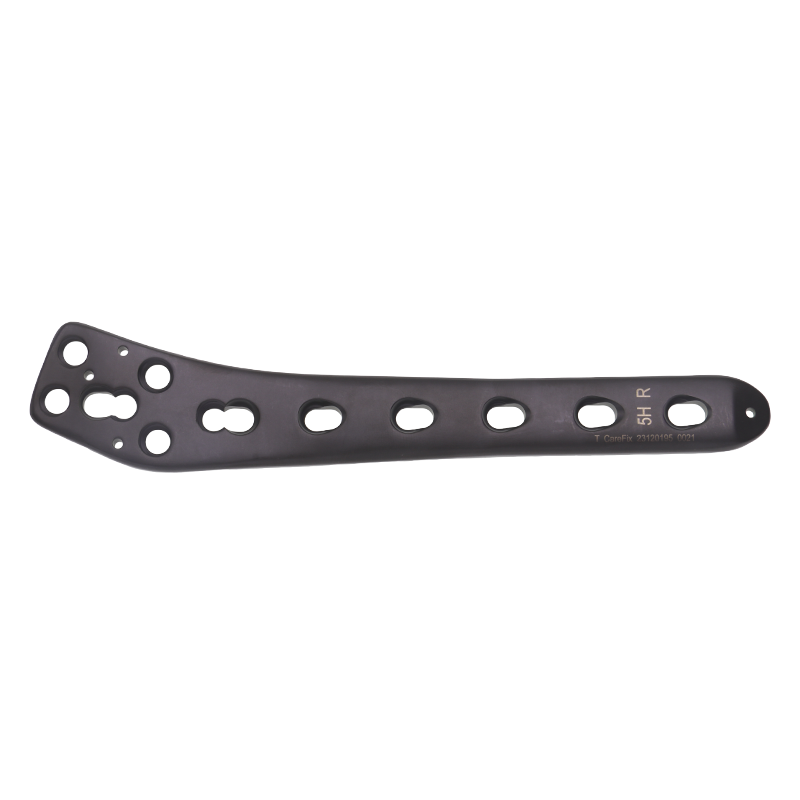
Elastic intramedullary nails represent a cornerstone technique in modern orthopedic surgery, offering surgeons a reliable method for internal fixation across diverse patient populations and injury patterns. Understanding the specific clinical indications for internal fixation with elastic intramedullary nails is essential for surgical planning, patient selection, and optimizing treatment outcomes. This comprehensive guide explores which patient groups benefit most from this approach and why internal fixation using elastic systems has become increasingly popular in trauma and elective orthopedic practice.
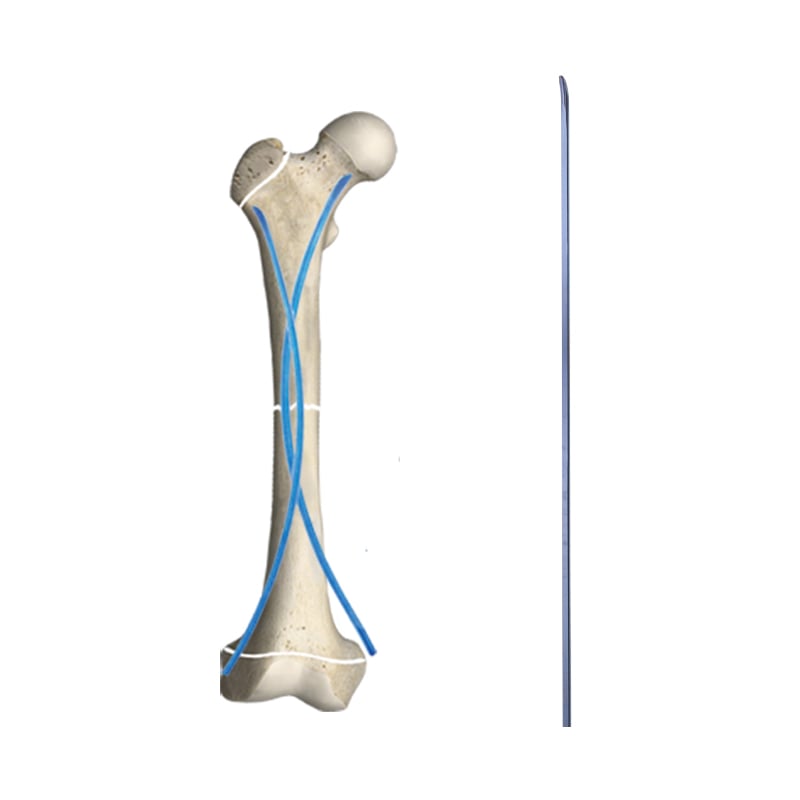
The role of internal fixation in managing bone fractures has evolved significantly with advances in implant technology and surgical technique. Elastic intramedullary nails provide a minimally invasive approach to internal fixation, particularly valuable for pediatric patients, patients with specific fracture morphologies, and those requiring rapid mobilization. The versatility of elastic systems for internal fixation makes them suitable across numerous clinical scenarios, from simple transverse fractures to complex comminuted injuries requiring careful reduction and stabilization.
Primary Indications for Internal Fixation With Elastic Nails
Pediatric Long Bone Fractures and Internal Fixation
Pediatric patients represent the largest population for whom elastic intramedullary nails serve as the primary method of internal fixation. Children with femoral shaft fractures, tibial shaft fractures, and humeral shaft fractures benefit significantly from internal fixation via elastic nailing systems. These young patients require internal fixation solutions that preserve physeal integrity, minimize soft tissue trauma, and allow early weight-bearing and mobilization. The elastic properties of these nails provide sufficient stability for internal fixation while remaining flexible enough to accommodate the dynamic loading patterns characteristic of pediatric skeletal development.
Adult Pathological Fractures Requiring Stable Internal Fixation
Adults with pathological fractures from metastatic disease, multiple myeloma, or other systemic conditions benefit from internal fixation strategies that provide rapid stability and pain relief. Internal fixation using elastic intramedullary nails can be particularly effective in these cases because the technique allows patients to achieve immediate functional recovery without prolonged immobilization. Patients with limited life expectancy require internal fixation methods that prioritize early mobilization and comfort over long-term bone healing, making elastic nail systems an appropriate choice for internal fixation in this vulnerable population.
Patient Groups Benefiting From Elastic Nail Internal Fixation
Patients With High Operative Risk and Medical Comorbidities
Medically compromised patients, including those with severe cardiopulmonary disease, significant obesity, or advanced age, represent an important population for whom internal fixation via elastic nailing may be preferred. These individuals cannot tolerate prolonged surgical time or extensive soft tissue disruption inherent to conventional plate-based internal fixation techniques. Internal fixation using elastic systems offers shorter operative times, reduced blood loss, and lower infection rates compared to open internal fixation approaches, making this method ideal for high-risk patients requiring internal fixation with minimal physiologic stress.
Polytrauma Patients and Damage-Control Orthopedics
Severely injured polytrauma patients benefit from rapid internal fixation strategies that minimize operative time while achieving adequate stability. Internal fixation using elastic intramedullary nails aligns perfectly with damage-control orthopedic principles, allowing surgeons to achieve functional internal fixation quickly and safely. These patients require internal fixation that can be performed during the initial trauma resuscitation phase, before metabolic derangements and coagulopathy worsen. Elastic nail systems provide the speed and efficiency necessary for internal fixation in this critical patient cohort, often preventing the need for re-operation and staged procedures.
Specific Fracture Patterns and Internal Fixation Applications
Transverse and Simple Spiral Fractures
Fractures with simple morphology, including transverse and spiral patterns, respond well to internal fixation via elastic nailing. These injury patterns allow straightforward reduction and stable internal fixation without requiring extensive repositioning maneuvers. Internal fixation of these fracture patterns using elastic systems provides reliable union rates and early functional recovery. The predictable healing and mechanical stability achieved through internal fixation via elastic nails make this approach ideal for patients with simple fracture geometry and good bone quality.
Segmental and Complex Comminuted Fractures
Complex fracture patterns including segmental injuries and severe comminution present challenging scenarios requiring sophisticated internal fixation planning. Internal fixation of comminuted fractures benefits from the minimally invasive approach possible with elastic nailing, which reduces additional soft tissue disruption to the fracture zone. Although these injuries remain technically demanding, internal fixation through elastic systems can reduce the overall biological cost of treatment compared to open internal fixation techniques. Surgeons must carefully assess whether internal fixation with elastic nails provides adequate stability or whether supplementary fixation through internal fixation plates becomes necessary.
Pathological Fractures and Metastatic Bone Disease
Pathological fractures from metastatic cancer or metabolic bone disease represent another important indication for internal fixation via elastic nails. Patients with these injuries require internal fixation that provides immediate pain relief and functional recovery without waiting for biological healing. Internal fixation using elastic systems achieves these goals through locked nail configurations that provide rigid internal fixation despite compromised bone quality. The ability to achieve functional internal fixation quickly makes elastic nailing the preferred method for internal fixation in many pathological fracture scenarios.
Clinical Outcomes and Selection Considerations
Union Rates and Functional Recovery
Published outcomes demonstrate that internal fixation using elastic intramedullary nails achieves reliable bone union across most fracture types and patient populations. Internal fixation studies show union rates exceeding ninety percent in appropriately selected patients, with most fractures achieving radiographic union within four to six months. Functional recovery following internal fixation with elastic nails typically proceeds more rapidly than traditional immobilization methods, allowing patients earlier return to activities of daily living and work. Internal fixation outcomes improve further when surgeons carefully match implant selection and fixation strategy to specific fracture characteristics and patient risk factors.
Complications and Risk Mitigation
While internal fixation via elastic nailing offers substantial benefits, surgeons must understand potential complications associated with this internal fixation method. Hardware failure, malunion, and nonunion remain possible, though their incidence decreases significantly with appropriate technique and patient selection for internal fixation. Internal fixation complications can often be prevented through careful preoperative planning, anatomic reduction during internal fixation procedures, and appropriate postoperative rehabilitation. Understanding the specific risks associated with internal fixation in each patient category allows surgeons to minimize adverse events and optimize internal fixation outcomes.
FAQ
Which pediatric patients are most suitable candidates for internal fixation using elastic intramedullary nails?
Children with femoral, tibial, or humeral shaft fractures represent ideal candidates for internal fixation with elastic nails, particularly those aged six to fifteen years. Internal fixation in pediatric patients using elastic systems preserves growth plates while providing adequate stability for early mobilization. Patients with simple to moderately comminuted fractures benefit most from internal fixation via elastic nails, though complex injuries may require supplementary fixation techniques to achieve reliable internal fixation.
How does internal fixation with elastic nails compare to rigid plate fixation in adults with simple fractures?
Internal fixation using elastic nails offers advantages including shorter operative time, less soft tissue disruption, and earlier weight-bearing capability compared to open plate-based internal fixation. Internal fixation with elastic systems typically results in comparable union rates to plates for simple fracture patterns while providing superior outcomes in high-risk patients. For internal fixation selection in adults, surgeon experience, fracture morphology, and patient medical status should guide the choice between internal fixation methods rather than rigid adherence to one technique over another.
Are patients with pathological fractures appropriate candidates for elastic nail internal fixation?
Yes, many patients with pathological fractures benefit significantly from internal fixation using elastic intramedullary nails, particularly those with limited life expectancy or severe comorbidities. Internal fixation via elastic systems provides rapid pain relief and functional recovery without requiring prolonged surgical procedures or extended immobilization. Internal fixation decisions for pathological fractures should prioritize patient quality of life and functional goals, making minimally invasive internal fixation techniques often the most appropriate choice for this vulnerable population.
Table of Contents
- Primary Indications for Internal Fixation With Elastic Nails
- Patient Groups Benefiting From Elastic Nail Internal Fixation
- Specific Fracture Patterns and Internal Fixation Applications
- Clinical Outcomes and Selection Considerations
-
FAQ
- Which pediatric patients are most suitable candidates for internal fixation using elastic intramedullary nails?
- How does internal fixation with elastic nails compare to rigid plate fixation in adults with simple fractures?
- Are patients with pathological fractures appropriate candidates for elastic nail internal fixation?