EN
EN

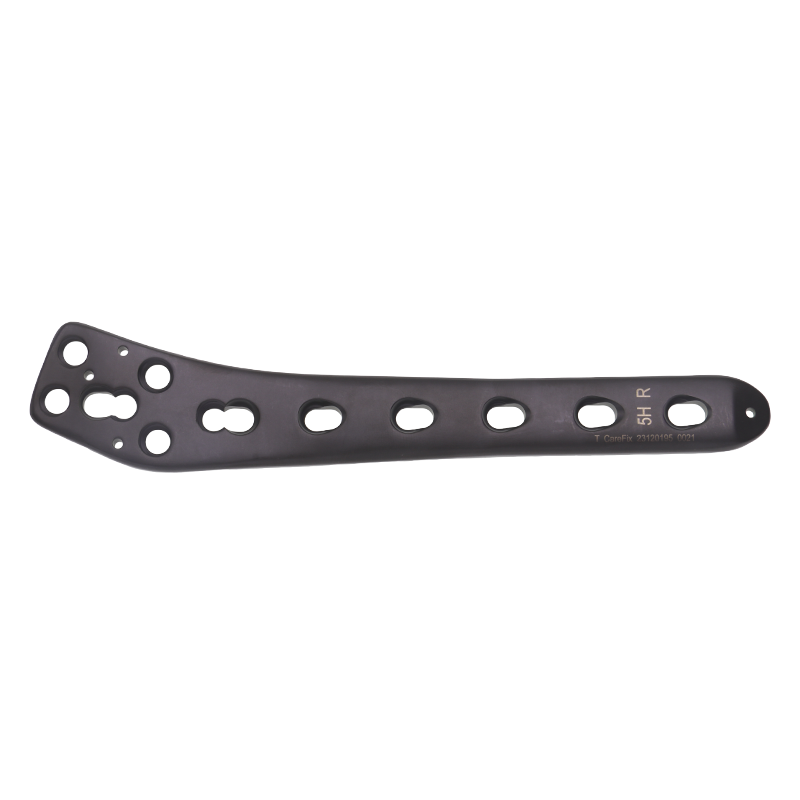
Infection following internal fixation procedures represents one of the most serious complications in orthopaedic surgery, with reported rates varying from 1% to 5% depending on injury severity, patient factors, and surgical technique. Understanding both the infection rate after internal fixation and the evidence-based prevention strategies is critical for surgeons, orthopaedic teams, and patients seeking to optimize surgical outcomes. The stakes are particularly high because infections complicating internal fixation can lead to prolonged hospitalization, additional surgeries, chronic pain, permanent disability, and substantial healthcare costs.
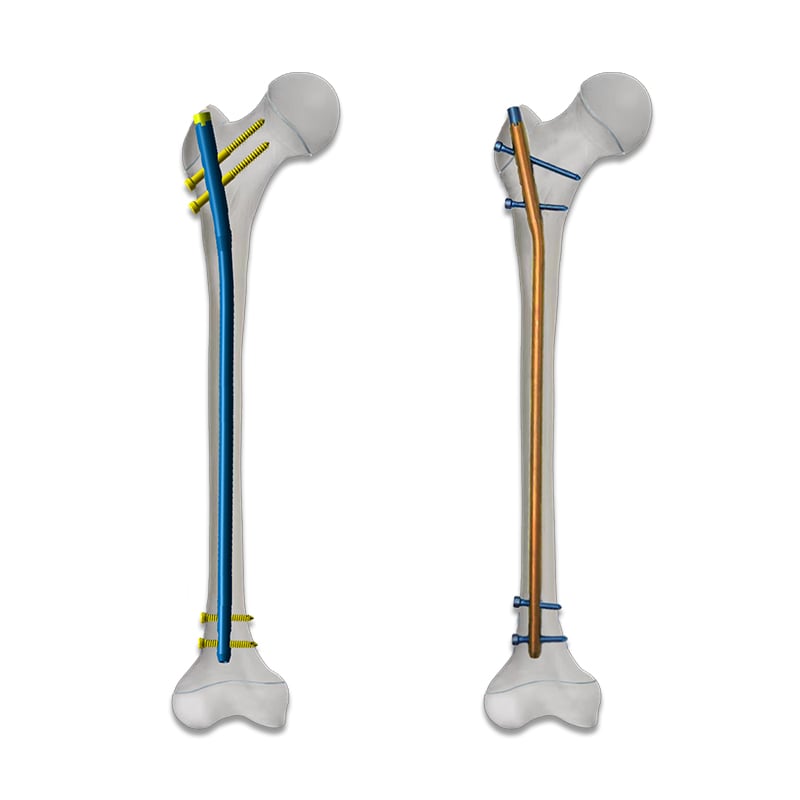
The infection rate after internal fixation varies significantly based on fracture classification, patient comorbidities, and institutional protocols. Open fractures carry substantially higher risks compared to closed fractures, with infection rates ranging from 2% to 10% for closed injuries and 5% to 30% for open fractures depending on contamination severity. This comprehensive guide examines current infection epidemiology, the pathophysiology behind surgical site infections following internal fixation, and a detailed framework of prevention strategies that have demonstrated clinical effectiveness in reducing complications.
Understanding Infection Risk Following Internal Fixation
Classification and Epidemiology of Surgical Site Infections
Surgical site infections following internal fixation are classified into three categories: superficial incisional infections affecting skin and subcutaneous tissue, deep incisional infections involving fascial layers and muscle, and organ-space infections related to the implanted internal fixation hardware. Deep infections complicating internal fixation present the greatest clinical challenge because they directly involve the fracture site and implant interface. The reported infection rate after internal fixation reflects both superficial and deep infections, though deep infections carry far greater morbidity. Patient age, diabetes, obesity, immunosuppression, and polytrauma all significantly increase infection susceptibility following internal fixation procedures.
Pathophysiology and Contamination Pathways
The infection rate after internal fixation is influenced by bacterial colonization mechanisms that occur during the operative procedure and immediate postoperative period. Bacteria establish biofilm on the internal fixation implant surface through direct contamination during surgery, seeding from adjacent soft tissue injury, or hematogenous spread from distant infection sources. Once biofilm forms on internal fixation implants, bacteria become protected from antibiotics and immune surveillance, making infections notoriously difficult to treat. The fracture site itself creates an ideal environment for bacterial proliferation due to reduced blood supply, compromised immunity, and devitalized bone tissue surrounding the internal fixation construct.
Effective Prevention Strategies for Internal Fixation Infections
Preoperative Preparation and Risk Mitigation
Comprehensive preoperative assessment significantly reduces the infection rate after internal fixation by identifying modifiable risk factors before surgery. Surgeons should screen for and optimize diabetes control, assess renal function to guide antibiotic dosing, ensure adequate nutritional status, and address active infections in distant sites before elective internal fixation procedures. Skin preparation with chlorhexidine or iodine-based antiseptics reduces bacterial load and is essential prior to internal fixation surgery. For patients with substantial soft tissue injury or contaminated wounds, aggressive debridement of devitalized tissue within six to eight hours substantially lowers infection risk following internal fixation. Delay in achieving adequate soft tissue coverage or wound cleaning directly correlates with higher infection rates after internal fixation.
Intraoperative Technique and Sterile Protocol
Meticulous surgical technique directly impacts the infection rate after internal fixation through maintaining sterile field integrity, minimizing operative time, and handling soft tissue with precision. Experienced surgical teams demonstrate lower infection rates after internal fixation because familiarity with implant selection and placement reduces operative duration and tissue trauma. Proper internal fixation implant selection, including appropriate diameter, length, and locking mechanisms, prevents stress riser effects that compromise healing and increase infection risk. Minimally invasive approaches for internal fixation reduce soft tissue disruption and have demonstrated lower infection rates compared to traditional open approaches. Thorough irrigation of the fracture site with normal saline removes bone debris and bacteria before final internal fixation positioning. Maintaining core body temperature and adequate perfusion during surgery supports immune function and reduces infection vulnerability following internal fixation.
Postoperative Management and Wound Care
The critical period immediately following internal fixation surgery determines whether the infection rate remains low or escalates through preventable complications. Appropriate antibiotic prophylaxis, typically initiated within sixty minutes before incision and discontinued within twenty-four hours after internal fixation, establishes protective serum and tissue levels without prolonged exposure. For open fractures requiring internal fixation, prophylactic antibiotics should continue for seventy-two hours and may extend longer depending on contamination severity. Sterile dressing changes and meticulous wound monitoring during the first two weeks postoperatively are essential because early detection of developing infections affecting the internal fixation site allows for prompt intervention before systemic spread. Patients should maintain wounds clean and dry while avoiding submersion in water until complete epithelialization occurs. Early mobilization and controlled weight-bearing following internal fixation, as tolerated by fracture stability, enhance blood flow and immune surveillance around the implant.
Clinical Risk Factors and Infection Rate Variation
Patient-Specific and Injury-Related Risk Factors
The infection rate after internal fixation increases substantially in patients with diabetes, demonstrating rates two to three times higher than non-diabetic populations due to impaired immune function and microvascular disease. Renal insufficiency impairs antibiotic clearance and immune competence, increasing infection risk following internal fixation. Obesity elevates infection rates after internal fixation through increased operative time, enhanced bacterial translocation, and reduced antibiotic tissue penetration. Advanced age, malnutrition, and immunosuppressive medications all correlate with elevated infection rates after internal fixation. Polytrauma patients with severe soft tissue injury, vascular compromise, or compartment syndrome demonstrate infection rates two to four times higher than isolated fractures treated with internal fixation. Specific fracture patterns, particularly comminuted open fractures, substantially increase the infection rate after internal fixation compared to simple closed fractures.
Institutional and Environmental Factors
Operating room environmental controls, including air filtration systems, laminar airflow technology, and traffic restrictions, meaningfully reduce the infection rate after internal fixation procedures. Institutions with dedicated orthopaedic operating rooms report lower infection rates after internal fixation compared to facilities sharing multipurpose surgical spaces. Staff training, standardized protocols, and bundle compliance significantly influence whether infection rates remain favorable following internal fixation. Surgical team experience with specific internal fixation implant systems correlates with reduced operative time and lower infection rates. Institutional surveillance systems that track and report infection rates after internal fixation enable quality improvement initiatives and drive continuous protocol refinement.
FAQ
What is the typical infection rate after internal fixation in closed fractures?
Closed fractures treated with internal fixation typically demonstrate infection rates between 1% and 2%, with rates varying based on patient comorbidities, surgical complexity, and institutional factors. Patients with significant medical comorbidities or delayed surgical intervention may experience higher infection rates after internal fixation even with closed fracture patterns. Low-energy closed fractures in healthy patients present minimal infection risk following internal fixation when appropriate prophylactic antibiotics and sterile technique are employed.
How long should antibiotic prophylaxis continue after internal fixation?
Standard antibiotic prophylaxis following internal fixation for closed fractures should be discontinued within twenty-four hours after surgery to minimize antibiotic resistance without compromising infection prevention. For open fractures requiring internal fixation, prophylactic antibiotics typically continue for seventy-two hours, and more contaminated injuries may warrant extended coverage per institutional protocols and injury severity assessment. Prolonged prophylaxis beyond these timeframes does not further reduce infection rates after internal fixation and increases resistance risk and adverse effects.
Can minimally invasive internal fixation reduce infection rates?
Minimally invasive approaches for internal fixation significantly reduce soft tissue trauma and have demonstrated lower infection rates compared to traditional open approaches in multiple clinical series. Reduced operative time and smaller incisions characteristic of minimally invasive internal fixation translate to decreased bacterial exposure and improved soft tissue perfusion. However, infection risk reduction remains dependent on maintaining strict sterile technique and appropriate implant selection regardless of surgical approach used for internal fixation.