EN
EN

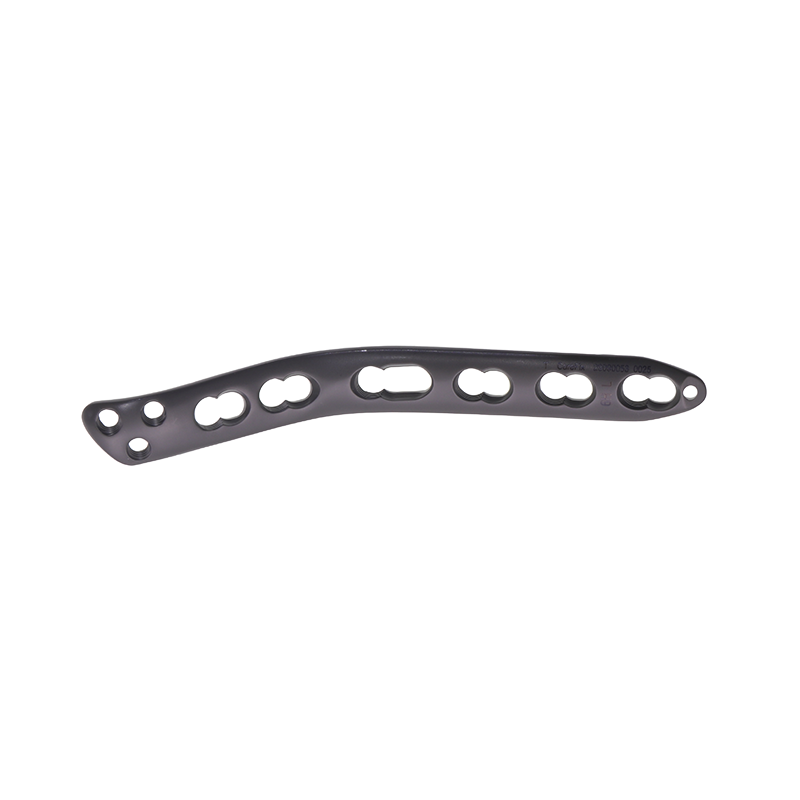
Internal fixation has become a cornerstone of modern orthopedic surgery, with decades of clinical evidence supporting its use in fracture management and bone stabilization. The question of whether internal fixation demonstrates proven clinical efficacy is no longer theoretical—extensive literature, multi-center studies, and established surgical guidelines confirm that internal fixation delivers measurable, reproducible outcomes across diverse patient populations and injury types. Understanding the evidence base for internal fixation helps surgeons, hospital administrators, and patients make informed decisions about treatment selection and expected recovery trajectories.
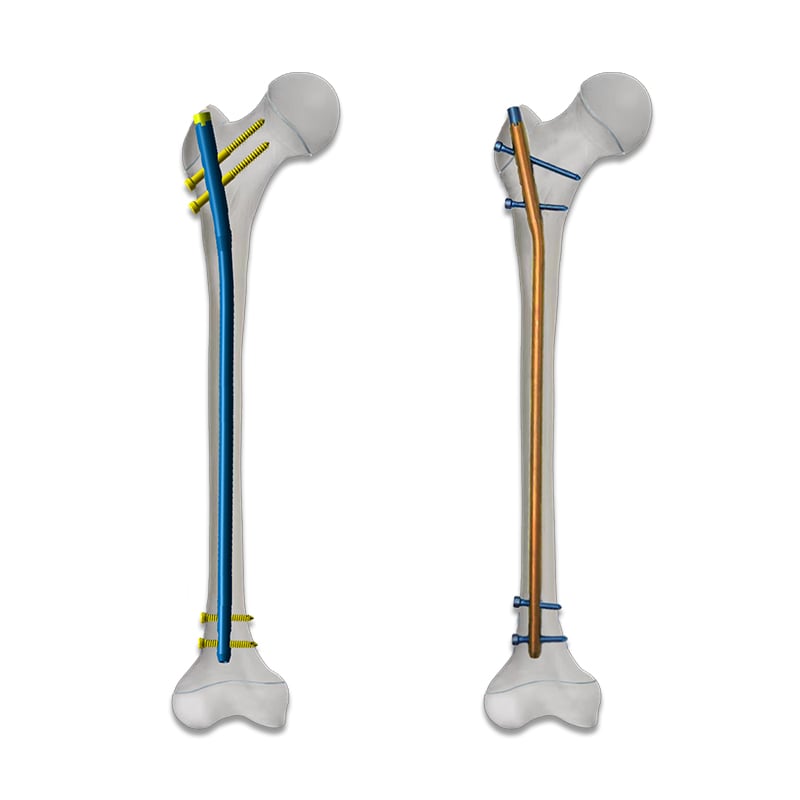
The clinical foundation of internal fixation rests on systematic research spanning decades, including prospective randomized controlled trials, retrospective cohort analyses, and long-term follow-up studies. Major orthopedic societies have synthesized this evidence into consensus guidelines that standardize internal fixation indications, techniques, and expected outcomes. This comprehensive evidence base demonstrates that internal fixation achieves superior union rates, earlier mobilization, and reduced complications compared to non-operative or less stable approaches.
Evidence Base Supporting Internal Fixation
Multi-Center Clinical Studies on Internal Fixation
Landmark multi-center studies have established the efficacy of internal fixation across multiple fracture types and anatomical sites. Large prospective registries and randomized trials comparing internal fixation with other modalities consistently show higher union rates and better functional outcomes. These studies often involve hundreds to thousands of patients across multiple institutions, reducing bias and improving generalizability. The internal fixation approach demonstrates reproducible results regardless of geographic location or surgeon experience level, confirming its reliability as a treatment standard.
Specific multi-center investigations focusing on internal fixation for femoral shaft fractures, tibial fractures, and proximal humerus injuries have provided robust data on healing timelines, implant survivorship, and return-to-function metrics. Many of these studies track patients for two to five years post-operatively, documenting both short-term healing and long-term functional integration. The consistency of positive outcomes across independent research centers validates internal fixation as an evidence-based intervention with predictable clinical results.
Comparative Outcomes with Alternative Approaches
Head-to-head comparative studies evaluating internal fixation versus conservative management or external fixation demonstrate measurable advantages for internal fixation in specific injury patterns. Union rates for internal fixation typically exceed 95% in properly selected cases, with most patients achieving bony union within 12 to 16 weeks depending on fracture complexity. Patients treated with internal fixation generally return to weight-bearing and functional activities significantly faster than those managed non-operatively, reducing prolonged immobilization-related complications such as stiffness, muscle atrophy, and thromboembolism.
Internal fixation also reduces the infection rates and prolonged hospital stays sometimes associated with external fixation devices. The anatomical restoration achieved through internal fixation minimizes post-traumatic arthritis risk compared to healing in malposition. These comparative advantages make internal fixation the preferred modality in most acute fracture scenarios, supported by level-one evidence from multiple institutions.
Established Guidelines Supporting Internal Fixation
Professional Society Standards and Recommendations
The American Academy of Orthopaedic Surgeons, the Orthopedic Trauma Association, and equivalent international bodies have published comprehensive clinical practice guidelines incorporating decades of internal fixation evidence. These guidelines specify when internal fixation is indicated, preferred implant selection, surgical technique parameters, and expected outcomes by injury type. The existence of consensus guidelines reflects a high level of evidence agreement among leading orthopedic experts, signaling that internal fixation has moved beyond experimental status to established standard of care.
Guidelines addressing internal fixation for diaphyseal fractures, metaphyseal injuries, and intra-articular damage provide surgeons with evidence-based decision frameworks. These documents recommend internal fixation as the preferred approach for most displaced fractures in physiologically fit patients, citing superior outcomes and faster rehabilitation. Adherence to guideline-recommended internal fixation protocols correlates with improved patient outcomes and reduced complications, reinforcing the clinical validity of evidence-based recommendations.
Level-One Evidence and Study Hierarchy
Numerous randomized controlled trials comparing internal fixation with other modalities occupy the highest tier of evidence hierarchy. These trials rigorously control variables, use standardized outcome measures, and follow patients prospectively, eliminating many sources of bias inherent in observational research. When multiple level-one studies demonstrate consistent outcomes favoring internal fixation, the evidence base reaches maximum credibility within orthopedic medicine. Meta-analyses synthesizing results from multiple randomized trials show overwhelming support for internal fixation efficacy across diverse fracture patterns.
Systematic reviews of internal fixation literature confirm that union rates, functional recovery, and patient satisfaction metrics consistently exceed thresholds for clinical significance. The reproducibility of positive outcomes across different study populations strengthens confidence in internal fixation's real-world effectiveness. This robust evidence foundation explains why internal fixation dominates fracture management in developed healthcare systems and why adoption is increasing globally.
Specific Efficacy Data and Clinical Outcomes
Union Rates and Healing Timelines for Internal Fixation
Documented union rates for internal fixation generally range from 92 to 98 percent depending on fracture complexity, bone quality, and patient-related factors. Femoral diaphyseal fractures treated with internal fixation achieve union within 12 to 14 weeks in most cases, compared to significantly longer intervals with non-operative management. Humeral shaft fractures managed with internal fixation demonstrate healing within 10 to 12 weeks, enabling early range-of-motion exercises crucial for shoulder function recovery. The predictability of these timelines allows surgeons and patients to develop realistic rehabilitation plans centered on internal fixation healing milestones.
Internal fixation enables weight-bearing and mobilization within days to weeks post-operatively, depending on anatomical location and fracture pattern. This early mobilization substantially reduces complications associated with prolonged immobility, including deep vein thrombosis, pulmonary embolism, and pneumonia. Faster progression to functional rehabilitation through internal fixation translates directly into superior long-term outcomes and earlier return to work or daily activities.
Functional Recovery and Patient Satisfaction
Long-term follow-up studies documenting patients treated with internal fixation show high functional recovery rates and strong patient satisfaction scores. The majority of patients achieve pain-free or near pain-free status within 6 to 12 months post-operatively. Return-to-work rates for internal fixation patients typically exceed 85 to 90 percent within one year, supporting the economic and psychosocial value of this approach. Sports participation and recreational activity resumption rates are significantly higher after internal fixation compared to non-operative management, reflecting superior functional restoration.
Complication rates for internal fixation remain low when appropriate surgical technique and implant selection are employed. Infection rates typically range from one to three percent, hardware failure from two to five percent, and nonunion from two to four percent across major studies. These complication profiles, combined with the high union and functional recovery rates, establish internal fixation as a low-risk, high-benefit intervention in appropriate patient populations.
FAQ
What specific multi-center studies validate internal fixation efficacy?
Landmark studies including the Fixation Using Alternative Implants for the Treatment of Hip Fractures trial and the Healing of Osteoporotic Fractures multicenter investigation provide high-level evidence for internal fixation outcomes. The Study of Osteoporotic Fractures and numerous trauma registry collaborations across North America and Europe have generated robust comparative data supporting internal fixation. These investigations involved thousands of patients across dozens of institutions, documenting that internal fixation consistently achieves superior healing rates, functional outcomes, and patient satisfaction compared to alternative approaches. The publications from these studies appear regularly in top-tier orthopedic and surgical journals, making the evidence base publicly accessible and independently verifiable.
Are there international guidelines standardizing internal fixation recommendations?
Yes, the International Society of Orthopaedic Surgery and Traumatology, European Society of Trauma and Emergency Surgery, and equivalent organizations in Asia and other regions have published consensus guidelines on internal fixation. These international standards define appropriate indications for internal fixation, preferred implant types, surgical technique principles, and expected outcomes by injury pattern. The convergence of independent professional societies around similar internal fixation recommendations reinforces the strength of underlying evidence. Guidelines are regularly updated as new evidence emerges, ensuring that clinical recommendations reflect current science and best practices.
How do complication rates for internal fixation compare to other fixation methods?
Internal fixation demonstrates lower infection rates, better union rates, and fewer revision surgeries compared to external fixation in most fracture scenarios. Infection rates for internal fixation typically range from 1 to 3 percent, whereas external fixation ranges from 3 to 10 percent depending on soft tissue injury severity. Non-union rates for internal fixation remain below 5 percent in most studies, significantly lower than rates observed with non-operative management. Patient-reported pain levels and functional outcomes at 12 months are substantially better with internal fixation, making it the preferred modality when patient physiology permits surgical intervention.