EN

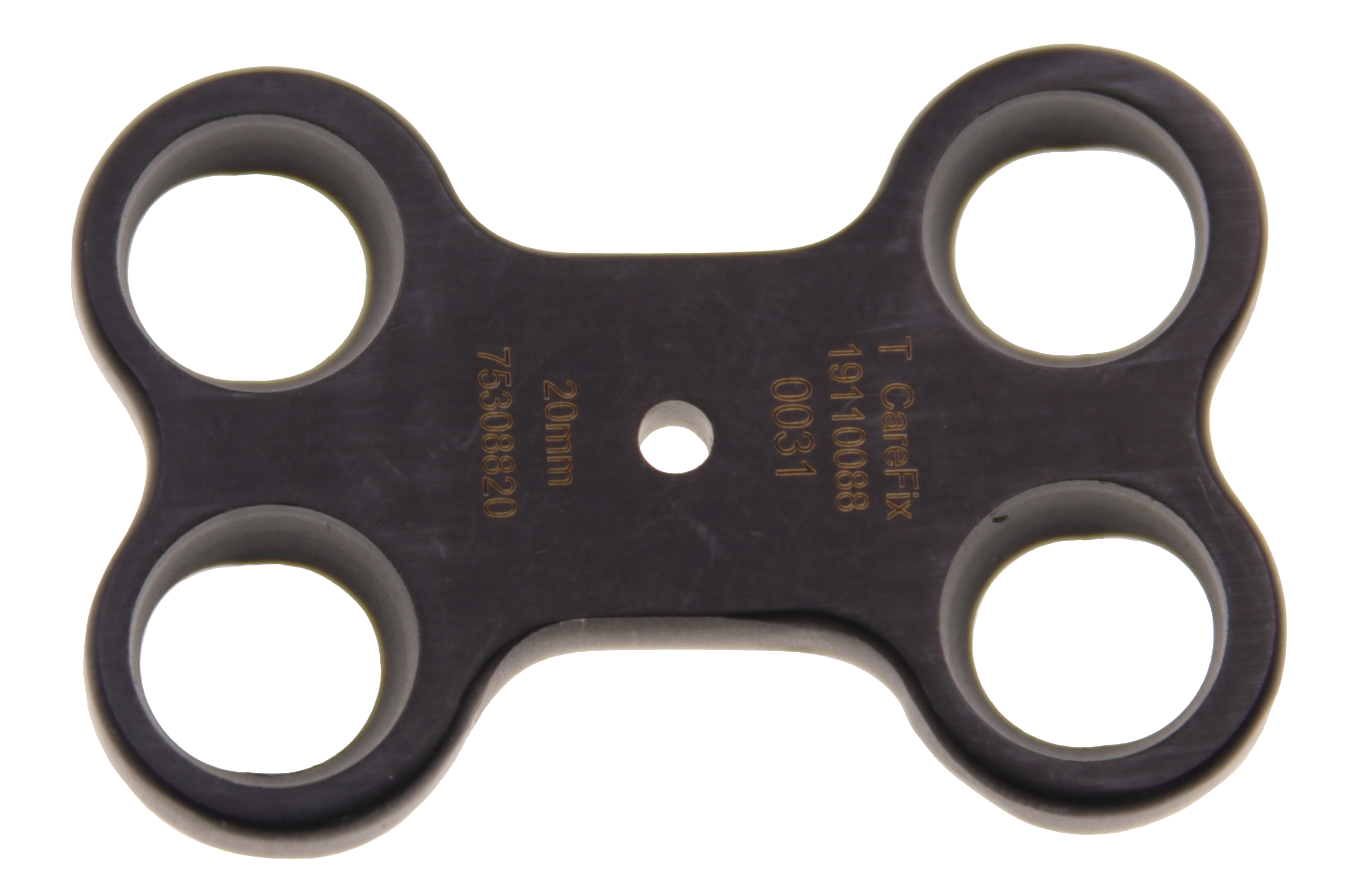
The bone plate has become an indispensable component in modern cervical spine surgery, fundamentally transforming how surgeons approach anterior cervical procedures. When combined with screw systems, the bone plate provides immediate stability and load-sharing capabilities that reduce healing time and improve fusion rates. Understanding the specific advantages of anterior cervical plating and screw systems allows surgeons and surgical teams to optimize patient outcomes while minimizing complications and revision procedures.
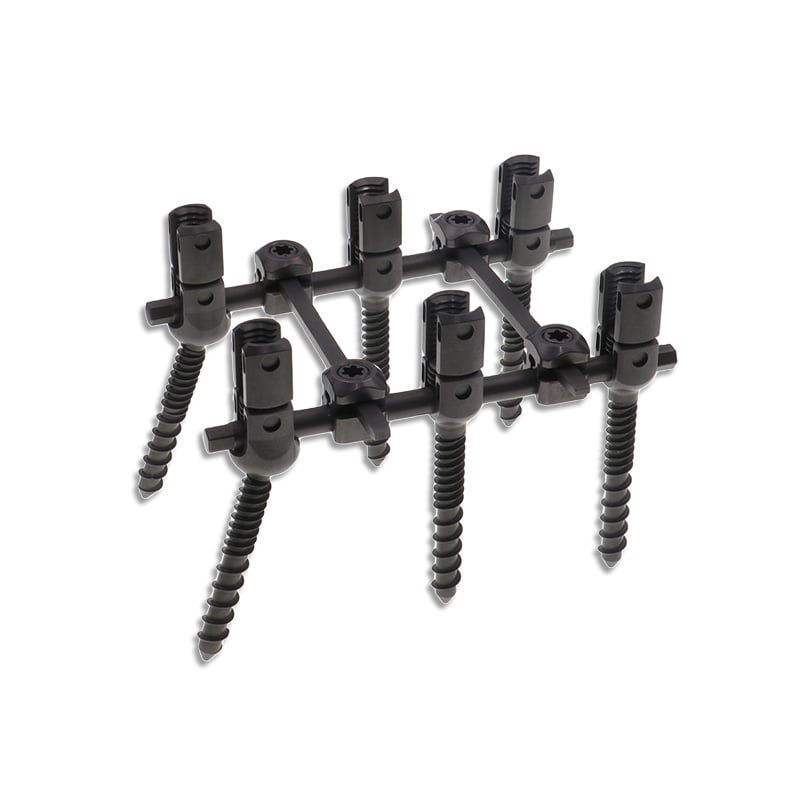
The integration of a bone plate with anterior cervical fixation represents a significant advancement over traditional fusion methods. This combination ensures precise alignment of vertebral bodies, maintains disc height, and prevents kyphotic deformity during the critical healing phase. Surgeons increasingly recognize that selecting the appropriate bone plate technology directly impacts long-term clinical success and patient satisfaction in cervical spine reconstruction.
Biomechanical Advantages of Bone Plate Systems
Load Sharing and Stabilization
A bone plate distributed across the anterior cervical spine creates a load-sharing environment rather than a stress-shielding mechanism. This characteristic allows the underlying bone graft and bone plate to work synergistically, distributing mechanical forces evenly across the surgical site. The bone plate maintains optimal stress distribution, which stimulates osteogenic activity and accelerates fusion consolidation.
The bone plate's rigid fixation prevents micromotion between vertebral bodies, a critical factor in achieving solid arthrodesis. By limiting segmental translation and rotation, the bone plate reduces the likelihood of nonunion complications. Enhanced stability provided by the bone plate permits early mobilization protocols, allowing patients to resume functional activities sooner than traditional fusion approaches.
Fusion Rate and Healing Outcomes
Clinical data consistently demonstrates that procedures utilizing a bone plate with screw fixation achieve fusion rates exceeding 95 percent in single-level and multilevel procedures. The bone plate provides immediate rigid fixation that maintains intervertebral disc height and lordotic alignment throughout the healing period. This mechanical environment optimizes conditions for bone remodeling and new bone formation at the fusion interface.
The bone plate's design minimizes graft subsidence, a common complication in anterior cervical fusion without rigid fixation. By preventing vertical collapse, the bone plate preserves neural foraminal dimensions and maintains proper sagittal alignment. Surgeons recognize that the bone plate fundamentally improves healing predictability and reduces reoperation rates associated with graft failure or nonunion.
Clinical Application Advantages in Cervical Surgery
Immediate Stability and Early Mobilization
The anterior cervical bone plate provides immediate rigid fixation that permits aggressive postoperative protocols. Unlike traditional techniques requiring external immobilization, the bone plate allows patients to begin gentle neck mobilization within days of surgery. This early movement prevents stiffness, maintains proprioception, and supports faster functional recovery.
Immediate stability from the bone plate reduces hospital stays and accelerates return to work and normal activities. Patients experience less pain during the acute postoperative phase because the bone plate eliminates motion-related discomfort at the surgical site. The bone plate's inherent strength allows surgeons to confidently recommend full activity participation sooner, improving patient satisfaction and reducing healthcare costs.
Versatility in Complex Procedures
Modern bone plate technology accommodates single-level and multilevel cervical fusion procedures with consistent results. The bone plate adapts to various vertebral body geometries and accommodates different graft materials, providing surgeons with operational flexibility. Whether performing anterior cervical discectomy and fusion or treating complex deformities, the bone plate maintains superior performance across diverse surgical scenarios.
The bone plate design incorporates anatomical features that enhance screw purchase and optimize force distribution. Locking screw technology within the bone plate system creates a fixed-angle construct that resists loosening and maintains alignment regardless of postoperative loading. This technological sophistication means the bone plate performs reliably even in challenging anatomies or compromised bone quality.
Long-Term Clinical Outcomes and Patient Benefits
Reduced Revision Surgery Rates
Anterior cervical procedures utilizing the bone plate demonstrate significantly lower revision rates compared to historical techniques without rigid fixation. The bone plate's proven ability to maintain alignment and promote fusion reduces reoperation for pseudoarthrosis and hardware failure. Long-term follow-up studies confirm that the bone plate provides durable fixation that withstands decades of cervical spine loading.
The bone plate prevents adjacent-segment degeneration by maintaining proper biomechanics at the fusion site. By restoring normal load distribution, the bone plate reduces compensatory stress on neighboring levels. This protective effect extends the functional lifespan of the cervical spine and minimizes the likelihood of cascade degeneration requiring future surgical intervention.
Superior Functional and Radiographic Outcomes
Patients undergoing anterior cervical surgery with bone plate fixation report superior neck function and reduced chronic pain compared to alternative approaches. The bone plate enables reliable sagittal alignment restoration, which correlates directly with improved neurological recovery in myelopathic patients. Radiographic evidence consistently shows solid bony union and maintained disc height years after surgery when bone plate technology is utilized.
The bone plate's rigidity ensures predictable healing that can be objectively measured through imaging studies. Surgeons can confidently predict fusion success within three to six months by monitoring bone plate positioning and graft incorporation. This predictability allows rational decision-making regarding activity restrictions and return-to-sport timelines based on established healing protocols associated with bone plate fixation.
FAQ
What makes a bone plate superior to older anterior cervical fixation methods?
Modern bone plate technology provides rigid, load-sharing fixation that older techniques could not achieve. A bone plate eliminates micromotion at the fusion site, accelerates bone healing, and maintains vertebral alignment throughout recovery. The bone plate enables fusion rates exceeding 95 percent and reduces revision surgery rates by more than 50 percent compared to traditional methods, making it the current standard of care in cervical spine surgery.
Can a bone plate be used for multiple cervical levels?
Yes, bone plate systems are specifically designed to accommodate single-level through multilevel fusion procedures. Modern bone plate designs include sufficient length and multiple screw positions to span multiple vertebral bodies safely. Multilevel procedures using bone plate fixation achieve fusion rates comparable to single-level cases, confirming the bone plate's versatility and reliability across varying surgical complexities.
How does a bone plate affect postoperative rehabilitation?
The bone plate's immediate rigid fixation permits aggressive rehabilitation protocols beginning days after surgery. Patients do not require external cervical bracing and can begin gentle range-of-motion exercises immediately. The bone plate's stability supports faster functional recovery, reduces pain during mobilization, and allows earlier return to work and normal activities compared to procedures without rigid fixation.