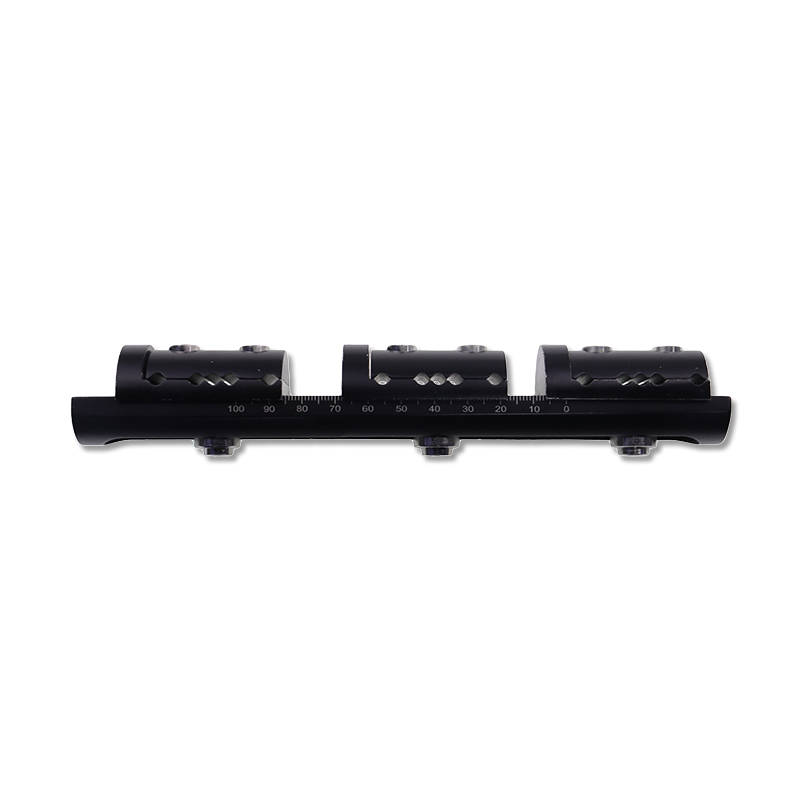
Distal Humerus Plate: Advanced Fracture Fixation Solution with Superior Stability and Anatomical Design

Get a Free Quote

Our representative will contact you soon.
Email
Name
Company Name
Message
0/1000

distal humerus plate

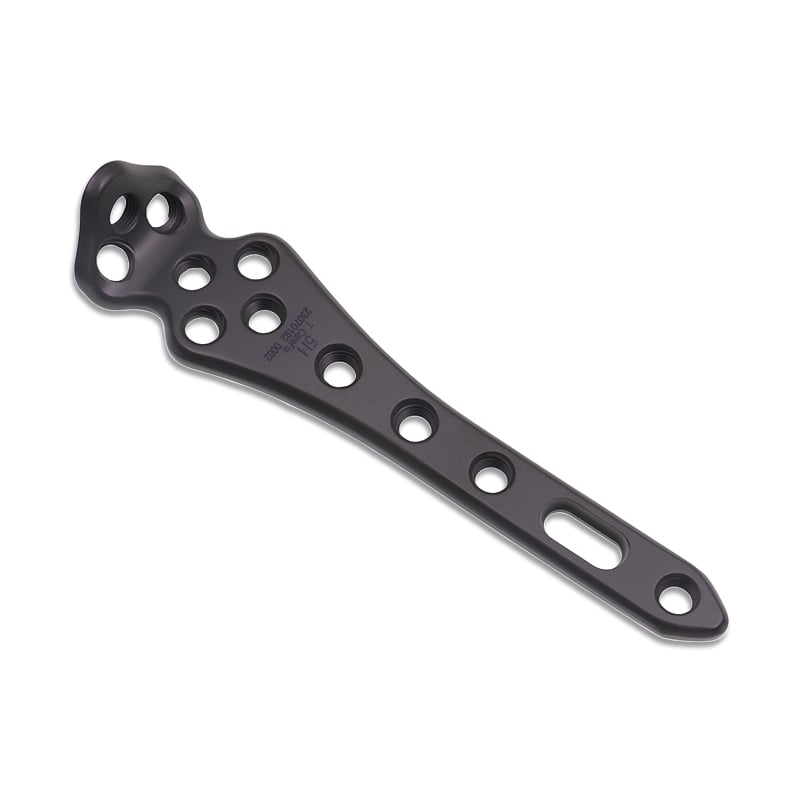
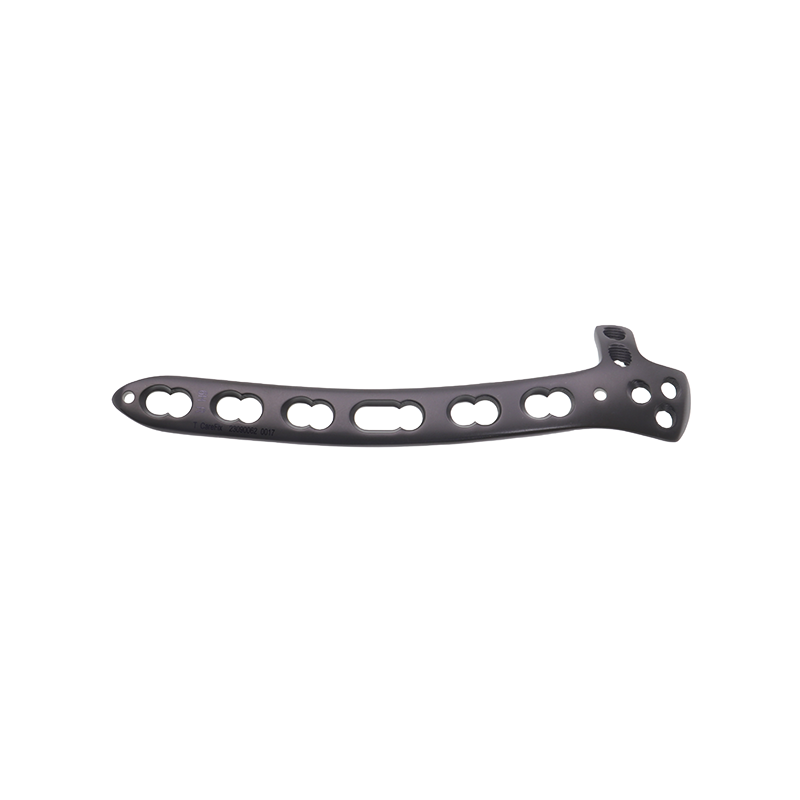
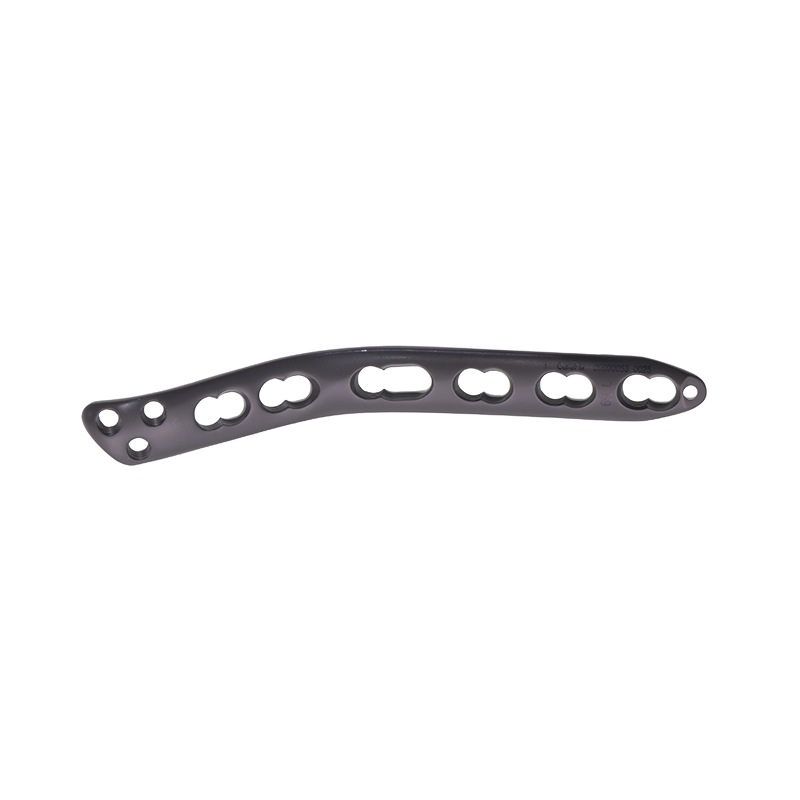
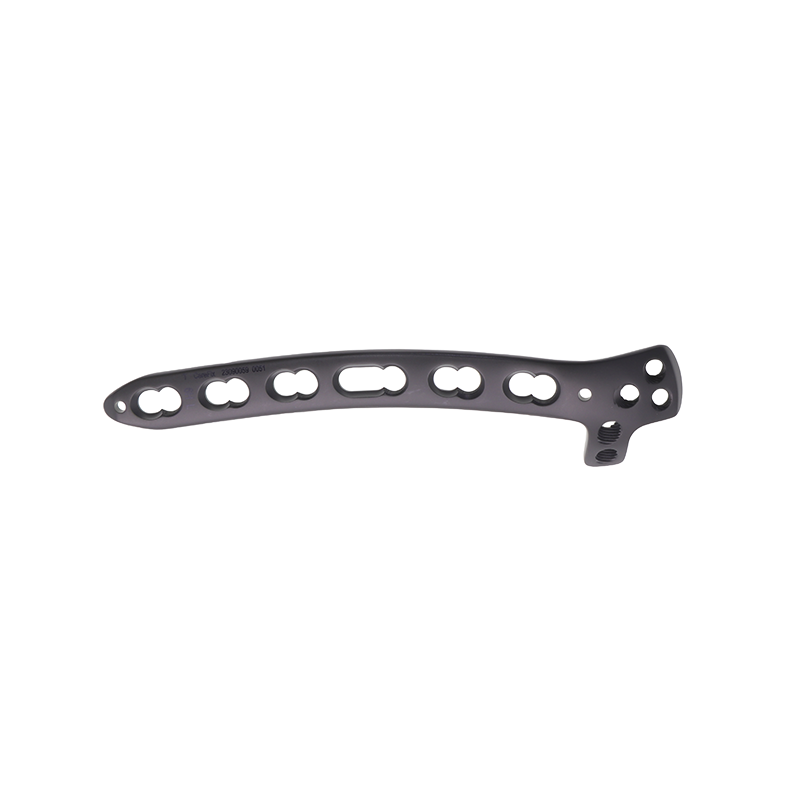
The distal humerus plate is a specialized orthopedic implant designed for treating fractures in the lower portion of the humerus bone. This innovative medical device combines advanced metallurgy with anatomically optimized design to provide stable fixation for complex distal humeral fractures. The plate features multiple screw holes strategically positioned to achieve optimal bone fragment stabilization while respecting the native anatomy. Manufactured from high-grade surgical-grade titanium or stainless steel, the plate offers excellent biocompatibility and durability. Its pre-contoured shape matches the natural anatomy of the distal humerus, reducing the need for intraoperative bending and ensuring a better fit. The plate system includes various sizes and configurations to accommodate different fracture patterns and patient anatomies. Advanced locking mechanisms in the screws provide enhanced stability, particularly beneficial in osteoporotic bone. The design incorporates low-profile features to minimize soft tissue irritation while maintaining structural integrity. This implant is particularly valuable in treating intra-articular fractures, providing the necessary support for early mobilization and rehabilitation.

New Products

The distal humerus plate offers several significant advantages in fracture treatment. First, its anatomically contoured design significantly reduces operating time and improves surgical outcomes by eliminating the need for extensive plate modification during surgery. The plate's versatile screw placement options allow surgeons to address various fracture patterns effectively, ensuring optimal fragment fixation and stability. The system's locking mechanism provides enhanced stability, particularly crucial in osteoporotic patients where traditional screws might not achieve adequate purchase. The low-profile design minimizes soft tissue irritation and reduces the risk of postoperative complications while maintaining the necessary strength for fracture support. The plate's material composition ensures excellent biocompatibility, reducing the risk of adverse tissue reactions and promoting better healing outcomes. The system's comprehensive range of sizes and configurations ensures appropriate options for different patient anatomies and fracture patterns. Early mobilization is possible due to the stable fixation provided, leading to better functional outcomes and reduced rehabilitation time. The plate's design also facilitates minimally invasive surgical techniques when applicable, potentially reducing surgical trauma and improving recovery times. Long-term clinical studies have demonstrated excellent union rates and functional outcomes, making it a reliable choice for complex distal humerus fractures.

Latest News

Application scenarios of unilateral stent in limb fractures

20

Jun

Application scenarios of unilateral stent in limb fractures

Introduction to Unilateral Stents in Orthopedic Treatment The field of orthopedics is seeing major changes thanks to unilateral stents which provide fresh approaches to managing broken bones. For decades, doctors primarily used external fixation de...
View More
Taylor Space Bracket: Application of 3D Orthopedic Technology in Complex Malformation Correction

20

Jun

Taylor Space Bracket: Application of 3D Orthopedic Technology in Complex Malformation Correction

Introduction to Taylor Space Bracket Technology Evolution of 3D Orthopedic Solutions in Deformity Correction Orthopedic medicine has evolved dramatically since those days when surgery meant big incisions and not much control over results. Back in t...
View More
Minimally invasive priority: innovation of internal fixation technology in pediatric orthopedic surgery

20

Jun

Minimally invasive priority: innovation of internal fixation technology in pediatric orthopedic surgery

Growing Demand for Minimally Invasive Pediatric Orthopedic Surgery Rising Prevalence of Childhood Musculoskeletal Disorders We've seen a real spike in kids getting diagnosed with musculoskeletal problems over the past decade or so. Conditions like ...
View More
From the heel bone to the metatarsal bone: a multi site application case of ankle internal fixation system

20

Jun

From the heel bone to the metatarsal bone: a multi site application case of ankle internal fixation system

Introduction: Understanding Ankle Fracture Fixation Needs The Prevalence of Complex Ankle Fractures More people are breaking their ankles these days because of all sorts of reasons - playing sports, slipping on wet floors, getting into car crashes,...
View More

Get a Free Quote

Our representative will contact you soon.
Email
Name
Company Name
Message
0/1000

distal humerus plate

Advanced Locking Technology

Advanced Locking Technology

The distal humerus plate incorporates state-of-the-art locking technology that revolutionizes fracture fixation. This innovative system features precisely engineered threaded holes that interact with specially designed locking screws to create a fixed-angle construct. This technology prevents screw toggle and backup, ensuring maintained reduction throughout the healing process. The locking mechanism creates a unified plate-screw interface that acts as an internal fixator, distributing forces evenly across the construct. This feature is particularly beneficial in osteoporotic bone, where traditional screws might not provide adequate fixation. The system allows for both locking and non-locking screws, providing surgeons with the flexibility to use different fixation strategies based on specific fracture patterns and bone quality. The advanced locking technology significantly reduces the risk of fixation failure and promotes more predictable healing outcomes.
Anatomical Pre-Contour Design

Anatomical Pre-Contour Design

The anatomical pre-contour design of the distal humerus plate represents a significant advancement in orthopedic implant technology. Each plate is carefully engineered based on extensive anatomical studies and 3D modeling to match the natural contours of the distal humerus perfectly. This precise anatomical matching eliminates the need for intraoperative plate bending, reducing surgical time and preventing metal fatigue that could occur with manual plate modification. The design includes specific left and right variants to ensure optimal fit for each arm. The plate's contour facilitates proper reduction of the fracture fragments and helps maintain the natural alignment of the elbow joint. This anatomical accuracy is crucial for restoring proper joint mechanics and ensuring optimal functional outcomes.
Enhanced Stability System

Enhanced Stability System

The enhanced stability system of the distal humerus plate provides superior fixation through multiple innovative features. The plate incorporates strategically positioned screw holes that allow for multi-directional fixation, ensuring optimal purchase in both the articular fragments and the humeral shaft. The system includes compression slots that enable interfragmentary compression when needed, promoting primary bone healing. The plate thickness is optimized to provide maximum strength while maintaining a low profile to minimize soft tissue irritation. The stability system includes specially designed end tabs that provide additional fixation points for small articular fragments. This comprehensive approach to stability ensures reliable fixation even in complex fracture patterns, allowing for early mobilization and rehabilitation while maintaining fracture reduction throughout the healing process.
logo