EN
EN


Understanding the Evolution of Orthopedic Fixation Techniques
Modern orthopedic surgery has witnessed remarkable advancements in fixation methods, with cannulated screw fixation emerging as a cornerstone technique in fracture management. This innovative approach has revolutionized how surgeons address various orthopedic challenges, from simple fractures to complex reconstructive procedures. The precision and versatility offered by cannulated screw fixation have made it an indispensable tool in the operating room.
Surgeons worldwide have embraced this technique for its ability to provide stable fixation while minimizing tissue trauma. The methodology has proven particularly valuable in treating fractures of the hip, ankle, and small bones of the foot, where accurate screw placement is crucial for optimal healing outcomes.
Technical Advantages of Cannulated Screw Systems
Enhanced Precision and Accuracy
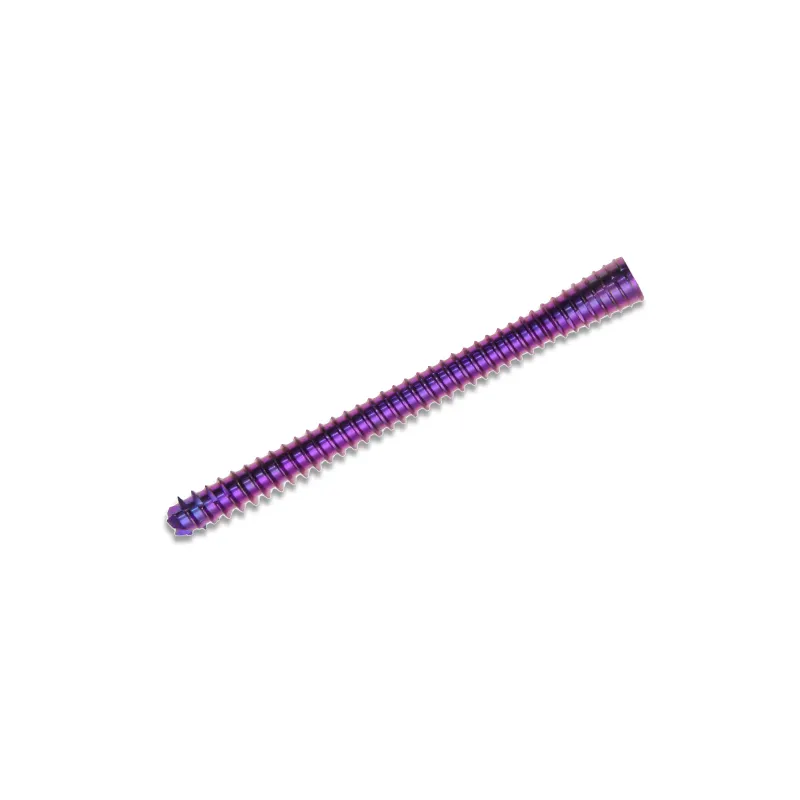
Cannulated screw fixation offers unprecedented accuracy in screw placement. The hollow core design allows surgeons to insert guide wires with real-time imaging, ensuring optimal positioning before final screw placement. This feature significantly reduces the risk of malposition and the need for revision surgeries, making it a preferred choice for complex anatomical regions.
The system's design enables surgeons to make minor adjustments during the procedure, providing flexibility that solid screws cannot match. This adaptability proves invaluable when dealing with challenging fracture patterns or anatomical variations.
Minimally Invasive Benefits
One of the most compelling advantages of cannulated screw fixation is its compatibility with minimally invasive surgical techniques. Smaller incisions mean reduced soft tissue damage, decreased blood loss, and potentially faster recovery times for patients. This aspect particularly benefits elderly patients or those with compromised healing capacity.
The technique's minimally invasive nature also translates to reduced post-operative pain and lower risk of surgical site infections. These factors contribute significantly to improved patient outcomes and satisfaction rates.
Clinical Applications and Versatility
Common Fracture Patterns
Cannulated screw fixation has proven particularly effective in treating specific fracture patterns. Femoral neck fractures, scaphoid fractures, and ankle fractures represent just a few conditions where this technique excels. The system's versatility allows surgeons to address various fracture configurations with consistent reliability.
The technique's adaptability extends to pediatric cases, where minimal disruption of growth plates is crucial. The precise control offered by cannulated screws helps surgeons navigate these sensitive areas with greater confidence.
Complex Reconstructive Procedures
Beyond fracture fixation, cannulated screw systems play a vital role in reconstructive procedures. From arthrodesis to osteotomies, these screws provide stable fixation while allowing for controlled compression. This versatility makes them invaluable in procedures requiring precise angular corrections or joint fusion.
The technique's application in revision surgeries has also proven beneficial, particularly when dealing with previously failed fixation attempts. The ability to achieve accurate placement through existing hardware or altered anatomy highlights the system's adaptability.
Technological Integration and Future Developments
Advanced Imaging Integration
Modern cannulated screw fixation techniques integrate seamlessly with advanced imaging technologies. 3D fluoroscopy and navigation systems enhance the surgeon's ability to achieve optimal screw placement. This integration has particularly benefited procedures in anatomically challenging regions.
The combination of cannulated screw systems with real-time imaging has significantly reduced operative times while improving accuracy. This efficiency translates to reduced anesthesia exposure and potentially better patient outcomes.
Material Innovations
Recent developments in biomaterials have enhanced the capabilities of cannulated screw systems. New alloys and surface treatments offer improved strength, biocompatibility, and osseointegration properties. These advances have expanded the application scope of cannulated screw fixation in various surgical scenarios.
Biodegradable options are also emerging, particularly valuable in pediatric cases or situations where hardware removal might be challenging. These innovations continue to broaden the technique's utility while addressing specific clinical needs.
Frequently Asked Questions
What makes cannulated screws different from solid screws?
Cannulated screws feature a hollow core that accommodates a guide wire, allowing for precise placement and verification before final insertion. This design enables more accurate positioning and reduces the risk of misplacement compared to solid screws.
How does cannulated screw fixation impact patient recovery?
The minimally invasive nature of cannulated screw fixation typically results in shorter recovery times, reduced post-operative pain, and smaller surgical scars. Patients often experience faster mobilization and return to activities compared to traditional fixation methods.
What types of fractures are best suited for cannulated screw fixation?
Cannulated screw fixation is particularly effective for fractures requiring precise screw placement, such as femoral neck fractures, scaphoid fractures, and ankle fractures. The technique also excels in situations where minimal soft tissue disruption is crucial for optimal healing.