EN
EN

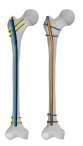
Revolutionizing Orthopedic Surgery Through Advanced Implant Design
Orthopedic surgery has witnessed a remarkable transformation with the emergence of cutting-edge intramedullary nail technology. These sophisticated internal fixation devices have become the gold standard for treating long bone fractures, offering superior stability and promoting optimal healing conditions. Recent innovations in this field have dramatically improved patient outcomes and surgical efficiency, marking a new era in trauma care.
The evolution of intramedullary nail technology represents a significant leap forward in addressing complex fracture patterns while minimizing soft tissue disruption. Modern designs incorporate enhanced materials, precise locking mechanisms, and anatomically optimized profiles that better serve both surgeons and patients in their journey toward recovery.
Technological Advancements in Modern Implant Systems
Smart Material Integration
Contemporary intramedullary nail technology has embraced the use of advanced materials that combine strength with biocompatibility. Titanium alloys with optimized surface treatments now offer superior osseointegration properties while maintaining the structural integrity necessary for load-bearing applications. These materials demonstrate exceptional resistance to fatigue and corrosion, ensuring long-term implant stability.
Innovative coating technologies have also emerged, incorporating hydroxyapatite and other bioactive substances that actively promote bone growth and accelerate the healing process. These surface modifications create an ideal environment for cellular adhesion and proliferation, leading to more robust bone-implant interfaces.
Enhanced Locking Mechanisms
The latest generation of intramedullary nail technology features sophisticated locking systems that provide unprecedented stability while simplifying the surgical procedure. Computer-assisted design has enabled the development of self-guiding locking holes and targeting devices that significantly reduce operating time and radiation exposure during surgery.
Advanced angular stable locking options now allow for better control of rotational forces, particularly important in complex fracture patterns. These mechanisms adapt to various anatomical requirements while maintaining construct stability throughout the healing process.
Digital Integration and Surgical Planning
Preoperative Planning Solutions
Modern intramedullary nail technology increasingly incorporates digital planning tools that enable surgeons to simulate procedures and optimize implant selection before entering the operating room. These sophisticated software platforms utilize patient-specific imaging data to create detailed surgical blueprints, ensuring precise implant positioning and alignment.
Artificial intelligence algorithms now assist in analyzing fracture patterns and recommending optimal nail configurations, leading to more predictable outcomes. This digital transformation has revolutionized the way surgeons approach complex cases and train for new techniques.
Real-time Navigation Systems
The integration of navigation technology with intramedullary nail systems has dramatically improved surgical precision. Real-time tracking systems provide continuous feedback on implant positioning, reducing the reliance on fluoroscopy and minimizing radiation exposure for both surgical team and patient.
These advanced navigation tools enable surgeons to visualize the entire procedure in three dimensions, ensuring accurate placement of both the nail and locking screws. The result is more consistent outcomes and reduced operating times across a wide range of fracture patterns.
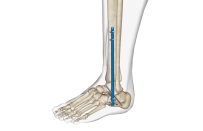
Patient-Specific Solutions
Anatomical Optimization
Recent advances in intramedullary nail technology have led to the development of implants that better match patient anatomy. Using large-scale anatomical databases and advanced manufacturing techniques, manufacturers now offer nails with optimized curvatures and profiles that accommodate various ethnic and gender-specific differences.
These anatomically optimized designs reduce the risk of complications such as anterior knee pain and cortical impingement, leading to improved patient satisfaction and functional outcomes. The attention to anatomical variation has particularly benefited patients with non-standard anatomy or complex deformities.
Customization Capabilities
The latest manufacturing technologies have enabled the production of custom intramedullary nails for unique cases. 3D printing and advanced machining processes allow for rapid production of patient-specific implants when standard options are not suitable. This customization capability has opened new possibilities for treating complex deformities and revision cases.
These bespoke solutions incorporate specific design features to address individual patient needs while maintaining the structural integrity and reliability expected from modern implant systems.
Future Directions and Emerging Technologies
Smart Implant Integration
The next frontier in intramedullary nail technology involves the integration of smart sensors and monitoring systems. These innovations will enable real-time tracking of healing progress and early detection of complications. Embedded sensors can measure load distribution, temperature, and biochemical markers, providing valuable data to guide post-operative care.
The development of biodegradable smart materials promises to revolutionize the field further, offering temporary fixation that gradually transfers load to healing bone while eliminating the need for implant removal.
Manufacturing Innovations
Additive manufacturing techniques continue to evolve, enabling the production of intramedullary nails with optimized internal structures and surface characteristics. These advanced manufacturing methods allow for the creation of gradient porosity and integrated drug-delivery systems, enhancing both mechanical and biological performance.
The combination of computational design and advanced manufacturing processes is pushing the boundaries of what's possible in implant design, leading to more effective and efficient treatment solutions.
Frequently Asked Questions
What makes modern intramedullary nails different from traditional designs?
Modern intramedullary nail technology incorporates advanced materials, sophisticated locking mechanisms, and anatomically optimized designs. These improvements result in better stability, faster healing, and reduced complications compared to traditional designs. Additionally, integration with digital planning tools and navigation systems has significantly improved surgical precision and outcomes.
How do smart materials benefit patient recovery?
Smart materials in intramedullary nail technology actively promote bone healing through bioactive surfaces, controlled drug release, and optimized mechanical properties. These features create an ideal environment for bone regeneration while maintaining the structural support necessary for early mobilization.
What role does digital planning play in intramedullary nail surgery?
Digital planning tools enable surgeons to simulate procedures, optimize implant selection, and create detailed surgical blueprints before entering the operating room. This preparation leads to more predictable outcomes, reduced operating times, and improved precision in implant placement.
How will future developments impact patient care?
Future developments in intramedullary nail technology will likely include smart implants with embedded sensors, biodegradable materials, and more sophisticated customization options. These advances will enable better monitoring of healing progress, reduced need for secondary surgeries, and more personalized treatment approaches.