EN
EN

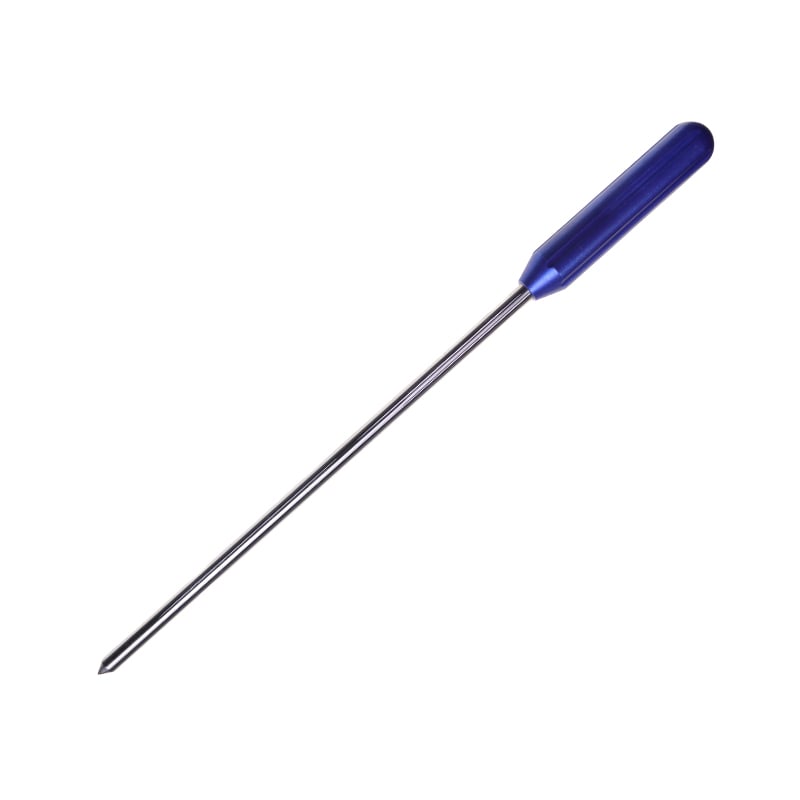
Pediatric orthopedic implants represent a critical category of medical devices designed specifically for children's growing bodies and unique physiological needs. Unlike adult orthopedic solutions, pediatric orthopedic implants must accommodate ongoing skeletal development, minimize long-term foreign body reactions, and provide adequate strength during the healing process. Understanding the materials used in pediatric orthopedic implants is essential for healthcare providers, surgical teams, and parents seeking to make informed decisions about treatment options. The selection of appropriate materials directly influences surgical outcomes, revision rates, and the child's quality of life during recovery and growth.
Three primary material classes dominate the pediatric orthopedic implants market today: titanium alloys, stainless steel, and bioabsorbable polymers. Each material class presents distinct advantages and limitations when applied to growing pediatric patients. The evolution of pediatric orthopedic implants materials reflects decades of clinical research aimed at balancing biocompatibility, mechanical strength, imaging compatibility, and cost-effectiveness. This comprehensive guide explores the characteristics, benefits, and clinical considerations of each material type used in modern pediatric orthopedic implants.
Titanium Alloy in Pediatric Orthopedic Implants
Biocompatibility and Mechanical Properties
Titanium alloys represent the gold standard material for many pediatric orthopedic implants due to their exceptional biocompatibility and strength-to-weight ratio. The most common titanium alloy used in pediatric orthopedic implants is Ti-6Al-4V (titanium-aluminum-vanadium), which demonstrates superior corrosion resistance and minimal tissue reactivity. Titanium alloys used in pediatric orthopedic implants develop a naturally protective oxide layer that prevents degradation even in the hostile biological environment of growing bone. This material's modulus of elasticity is closer to natural bone than stainless steel, reducing stress-shielding effects that can compromise long-term skeletal development in young patients.
Clinical Advantages and Imaging Considerations
Pediatric orthopedic implants fabricated from titanium alloys offer superior imaging compatibility compared to stainless steel alternatives. CT and MRI imaging capabilities remain largely uncompromised when titanium alloy pediatric orthopedic implants are in place, allowing surgeons to monitor healing progression and detect complications without significant artifact. The radiolucency characteristics of titanium alloys in pediatric orthopedic implants enable clearer visualization of bone union and proper alignment during follow-up examinations. Long-term clinical data confirms that titanium alloy pediatric orthopedic implants demonstrate lower inflammatory responses, reduced hypersensitivity reactions, and excellent integration with surrounding tissues. These characteristics make titanium alloys the preferred choice for growth-accommodating pediatric orthopedic implants that may remain in place for extended periods as the child develops.
Stainless Steel in Pediatric Orthopedic Implants
Strength Characteristics and Durability
Stainless steel, particularly austenitic 316L stainless steel, has served as a reliable material for pediatric orthopedic implants for generations due to its high tensile strength and excellent work-hardening capabilities. Stainless steel pediatric orthopedic implants provide robust mechanical performance in high-load-bearing applications, making them suitable for lower extremity fixation in active children. The material's proven track record in pediatric orthopedic implants spans decades, with extensive clinical outcome data demonstrating predictable healing and minimal mechanical failure rates. Stainless steel pediatric orthopedic implants maintain their structural integrity throughout the pediatric growth phase, even in challenging anatomical locations subject to significant biomechanical stress.
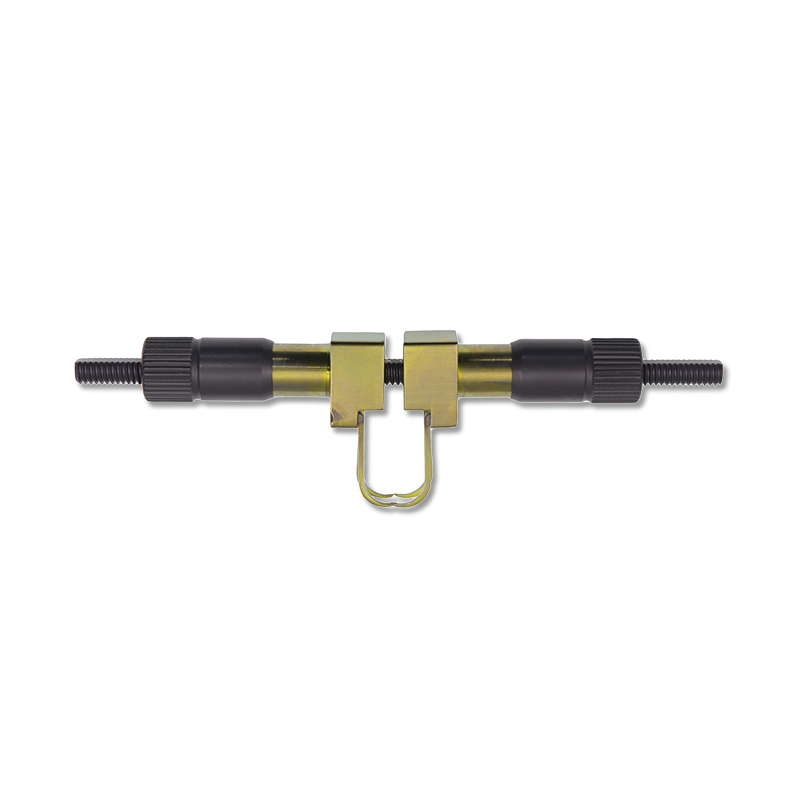
Cost and Practical Considerations
The economic efficiency of stainless steel makes pediatric orthopedic implants using this material more accessible across varied healthcare settings and geographic regions. Stainless steel pediatric orthopedic implants require established surgical instrumentation and techniques that are familiar to most orthopedic surgeons, reducing operative time and procedural complexity. However, stainless steel pediatric orthopedic implants produce significant artifacts on MRI imaging, necessitating alternative imaging modalities such as CT or ultrasound for postoperative monitoring. Some patients experience hypersensitivity reactions or corrosion-related complications with stainless steel pediatric orthopedic implants, particularly in the presence of nickel sensitivity. Despite these limitations, stainless steel remains a viable option for temporary stabilization and specific clinical scenarios where imaging compatibility is less critical.
Bioabsorbable Materials in Pediatric Orthopedic Implants
Innovative Approaches and Material Composition
Bioabsorbable materials represent a revolutionary category of pediatric orthopedic implants designed to eliminate the need for hardware removal surgeries by naturally resorbing as bone healing progresses. Bioabsorbable pediatric orthopedic implants typically utilize polylactic acid (PLA), polyglycolic acid (PGA), or copolymer combinations that degrade predictably through hydrolytic cleavage. The development of bioabsorbable pediatric orthopedic implants addresses a fundamental challenge in pediatric orthopedics: reducing repeat surgical interventions and associated anesthesia risks in young patients. Advanced formulations of bioabsorbable pediatric orthopedic implants now achieve mechanical strength comparable to metallic alternatives during critical early healing phases while maintaining compatibility with bone remodeling processes.
Clinical Benefits and Limitation Factors
Bioabsorbable pediatric orthopedic implants eliminate foreign body retention, reducing long-term infection risks and inflammatory complications that can accumulate over years of pediatric growth and development. The elimination of hardware removal surgery represents a significant advantage of bioabsorbable pediatric orthopedic implants, particularly for patients requiring multiple procedures during childhood. Imaging compatibility of bioabsorbable pediatric orthopedic implants remains excellent throughout the healing phase, facilitating clear radiographic assessment without metallic artifact interference. However, bioabsorbable pediatric orthopedic implants require precise timing of absorption relative to bone healing; premature degradation can compromise fixation, while delayed absorption may prolong inflammation. The higher cost and specialized surgical handling protocols of bioabsorbable pediatric orthopedic implants currently limit their widespread adoption, though increasing clinical experience continues to refine application guidelines and expand indication criteria for these innovative materials.
Material Selection Criteria for Pediatric Orthopedic Implants
Clinical Scenario Matching and Patient Factors
Selecting optimal materials for pediatric orthopedic implants requires careful consideration of the child's age, skeletal maturity, anticipated growth patterns, and specific fracture or deformity characteristics. For very young patients with substantial growth remaining, titanium alloy pediatric orthopedic implants offer superior long-term tolerance and imaging capabilities. Bioabsorbable pediatric orthopedic implants serve well in stable fracture patterns where bone healing timelines are predictable and the risk of premature load failure is minimal. Stainless steel pediatric orthopedic implants remain appropriate for temporary stabilization in high-energy injuries where rapid fixation is prioritized over imaging considerations or long-term implant retention concerns.
Surgeon Experience and Institutional Resources
The availability of surgical expertise, imaging modalities, and institutional experience significantly influences material selection for pediatric orthopedic implants in clinical practice. A pediatric orthopedic implants selection must align with institutional capabilities and surgeon training backgrounds to ensure optimal outcomes. Healthcare systems with advanced imaging resources and specialized pediatric orthopedic training programs may favor titanium alloy or bioabsorbable materials. Resource-constrained settings may prioritize stainless steel pediatric orthopedic implants due to lower costs and established procedural familiarity, despite some imaging limitations inherent to this material choice.
FAQ
Why are titanium alloys preferred over stainless steel in pediatric orthopedic implants?
Titanium alloys demonstrate superior biocompatibility, lower inflammatory responses, and better imaging compatibility than stainless steel in pediatric orthopedic implants. The elastic modulus of titanium more closely matches natural bone, reducing stress-shielding effects during childhood development. Titanium alloys generate minimal artifact on MRI and CT scans, enabling clear visualization of healing progression in pediatric orthopedic implants applications. While titanium alloys cost more than stainless steel, their reduced long-term complication rates and superior performance in growing patients often justify the investment for most pediatric orthopedic implants cases.
What is the typical absorption timeline for bioabsorbable pediatric orthopedic implants?
Bioabsorbable pediatric orthopedic implants typically maintain mechanical strength for 8 to 24 weeks, depending on the specific polymer formulation and implant thickness used. Complete resorption of bioabsorbable pediatric orthopedic implants generally occurs within 12 to 36 months as the polymeric chains gradually break down through hydrolytic degradation. The absorption timeline for pediatric orthopedic implants must synchronize with bone healing; insufficiently strong materials may fail prematurely, while overly durable materials may interfere with normal remodeling. Surgical planning with bioabsorbable pediatric orthopedic implants requires careful assessment of fracture stability and expected bone union timelines to ensure the implant provides adequate support until biological fixation is achieved.
Can children with metal allergies receive stainless steel pediatric orthopedic implants safely?
Children with documented nickel sensitivity or metal allergies should typically receive alternative materials for pediatric orthopedic implants, as stainless steel contains nickel and may trigger hypersensitivity reactions. Titanium alloy pediatric orthopedic implants are generally safer for allergic patients due to their hypoallergenic properties and superior biocompatibility. In cases where stainless steel pediatric orthopedic implants cannot be avoided, surface coating techniques or careful preoperative allergy testing may reduce reaction risks. Bioabsorbable pediatric orthopedic implants offer excellent alternatives for allergic patients, as the polymeric composition eliminates metal exposure entirely and reduces long-term foreign body complications associated with metal implants.