EN
EN

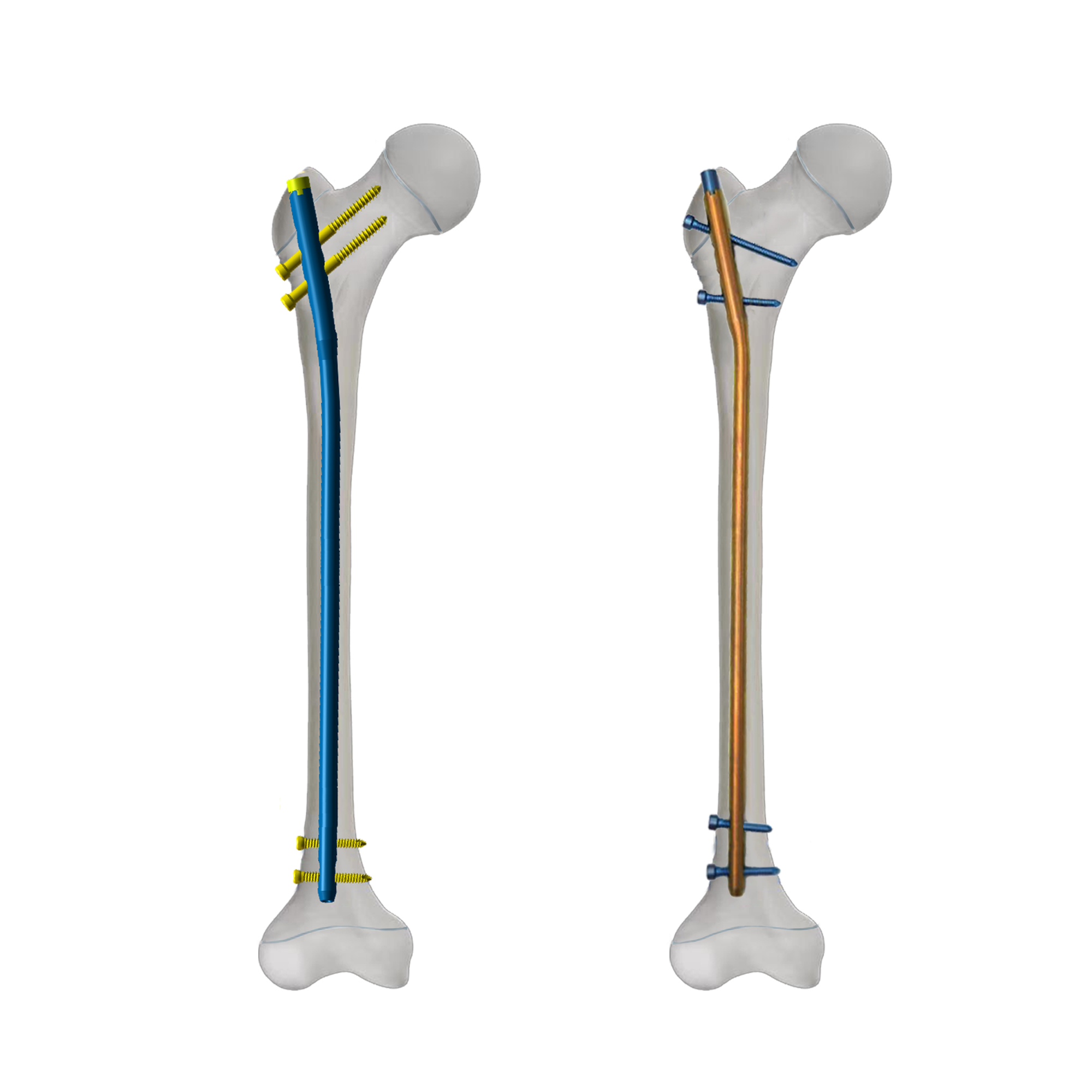
The global pediatric orthopedic implant market has experienced consistent expansion over the past decade, driven by rising incidences of childhood fractures, congenital skeletal disorders, and sports-related musculoskeletal injuries. As pediatric healthcare infrastructure improves across both developed and emerging economies, the demand for specialized pediatric orthopedic implant solutions continues to grow at a measurable pace. Clinicians and hospital procurement teams are recognizing that children require implant systems designed specifically for their unique anatomical and physiological needs, rather than scaled-down adult devices.
Understanding where the pediatric orthopedic implant market stands today and where it is heading is valuable for healthcare providers, device developers, and procurement decision-makers alike. The pediatric orthopedic implant segment is no longer a niche category within the broader orthopedic industry. It has evolved into a focused, innovation-driven field with its own design standards, regulatory considerations, and clinical performance benchmarks. This article examines the key growth trends shaping the pediatric orthopedic implant sector and provides a forward-looking assessment of its development trajectory.
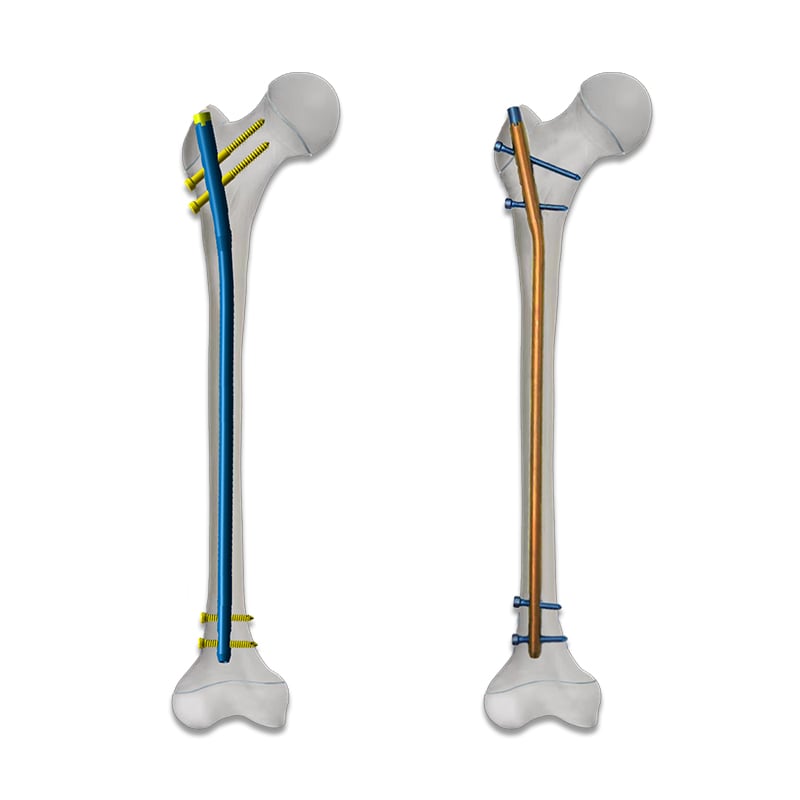
Current Growth Trends in the Pediatric Orthopedic Implant Market
Rising Clinical Demand and Market Expansion
The pediatric orthopedic implant market has grown steadily as awareness of pediatric-specific musculoskeletal conditions increases among medical professionals. Globally, childhood fractures remain among the most frequent reasons for pediatric emergency visits, and each case may require a pediatric orthopedic implant tailored to a child's bone density, growth plate sensitivity, and healing characteristics. This sustained clinical need forms the backbone of market growth. Additionally, increasing access to advanced surgical care in Asia-Pacific and Latin American markets has opened new demand channels for pediatric orthopedic implant products that were previously limited to North American and European healthcare systems.
Market analysts tracking the pediatric orthopedic implant sector consistently report compound annual growth rates in the mid-to-high single digits. This growth reflects both volume expansion and value growth, as advanced pediatric orthopedic implant designs command higher procedural investment. Hospitals that previously relied on modified adult implants are increasingly transitioning to purpose-built pediatric orthopedic implant systems, which improves surgical outcomes and reduces complication risks for young patients. This transition is a structural market shift, not a temporary trend.
Design Innovation as a Market Driver
Innovation in pediatric orthopedic implant design is a primary growth catalyst. Engineers and orthopedic surgeons are collaborating to develop pediatric orthopedic implant systems that accommodate growth plate preservation, minimize hardware prominence, and allow for natural bone remodeling. Titanium alloys, bioabsorbable materials, and low-profile fixation geometries are among the material and design advances reshaping what a modern pediatric orthopedic implant can offer. Each generation of pediatric orthopedic implant technology aims to reduce secondary intervention rates, which is a critical clinical and economic priority in pediatric care.
Key Factors Shaping the Future of Pediatric Orthopedic Implants
Regulatory Evolution and Safety Standards
The future development of the pediatric orthopedic implant market is closely linked to how regulatory bodies worldwide refine their frameworks for child-specific medical devices. Historically, many pediatric orthopedic implant products were approved under adult device pathways with limited pediatric-specific clinical data. Regulatory agencies are now requiring more robust evidence of safety and efficacy when a pediatric orthopedic implant is intended for skeletally immature patients. This shift increases the development timeline and investment required for new pediatric orthopedic implant products, but it also raises the overall quality and clinical reliability of devices reaching the market.
Manufacturers developing a pediatric orthopedic implant must now demonstrate performance across a broader range of patient sizes, age groups, and bone maturity stages. This regulatory rigor is expected to consolidate the market around developers with the clinical study capabilities to validate each pediatric orthopedic implant system comprehensively. Smaller manufacturers without pediatric-specific research infrastructure may struggle to compete, which could gradually concentrate pediatric orthopedic implant innovation among specialized players.
Technological Integration and Digital Surgery
Digital surgical planning, patient-specific imaging, and intraoperative navigation are beginning to influence how surgeons select and place a pediatric orthopedic implant. These technologies allow for more precise sizing and positioning of each pediatric orthopedic implant, reducing operative time and improving alignment outcomes in complex pediatric cases. As robotic-assisted surgery platforms become more accessible to pediatric orthopedic centers, the complementary demand for compatible pediatric orthopedic implant hardware will also rise. The integration of digital tools with physical pediatric orthopedic implant systems represents a meaningful future growth frontier for the entire segment.
Wearable monitoring and smart implant research, though still early-stage for pediatric applications, hold long-term potential. The concept of a pediatric orthopedic implant that provides real-time healing data could transform postoperative management and reduce unnecessary follow-up imaging. While widespread clinical adoption of smart pediatric orthopedic implant technology remains years away, early research investment in this area signals where the market is heading.
Future Development Outlook for the Pediatric Orthopedic Implant Sector
Geographic Expansion and Emerging Market Opportunity
The future outlook for the pediatric orthopedic implant market is broadly positive, with geographic expansion serving as one of the most significant growth levers. In regions where pediatric surgical volumes are increasing rapidly, local procurement of pediatric orthopedic implant products is becoming more structured and policy-supported. Government healthcare initiatives in Southeast Asia, the Middle East, and Sub-Saharan Africa are beginning to include pediatric orthopedic implant procurement in national health infrastructure programs. This institutional support is expected to accelerate adoption of specialized pediatric orthopedic implant systems in markets that previously depended on general orthopedic hardware.
Sustainability and Long-Term Investment in Pediatric Orthopedics
Sustainability considerations are entering the pediatric orthopedic implant conversation at both the product and supply chain levels. Bioabsorbable pediatric orthopedic implant options reduce the need for secondary removal surgeries, lowering both clinical risk and resource consumption. As healthcare systems globally focus on value-based care models, the total cost of treatment associated with each pediatric orthopedic implant becomes a key purchasing criterion. Implants that reduce reoperation rates and hospital stay durations are increasingly preferred by health systems evaluating pediatric orthopedic implant procurement decisions.
Long-term, the pediatric orthopedic implant market is expected to benefit from growing clinical specialization in pediatric orthopedics as a surgical discipline. More fellowship-trained pediatric orthopedic surgeons, increased dedicated pediatric orthopedic centers, and greater patient advocacy for child-specific care standards will all reinforce demand for purpose-built pediatric orthopedic implant solutions. The combination of clinical need, technological innovation, and policy support positions the pediatric orthopedic implant sector for durable, long-term growth.
FAQ
What is driving growth in the pediatric orthopedic implant market?
Growth in the pediatric orthopedic implant market is driven by rising childhood fracture rates, increasing recognition that children need purpose-designed implant systems, expanding surgical access in emerging markets, and continuous innovation in pediatric orthopedic implant materials and design.
How does a pediatric orthopedic implant differ from an adult implant?
A pediatric orthopedic implant is specifically engineered to accommodate children's smaller bone dimensions, active growth plates, and faster healing biology. Unlike adult implants, a pediatric orthopedic implant must avoid interfering with growth plate function and is often designed with lower-profile hardware to suit pediatric anatomy.
What is the future outlook for the pediatric orthopedic implant market?
The future outlook for the pediatric orthopedic implant market is positive, supported by geographic market expansion, digital surgery integration, stronger regulatory frameworks, and growing investment in bioabsorbable and smart pediatric orthopedic implant technologies. Sustained demand from clinical and institutional sources will continue to drive the sector forward.