EN
EN

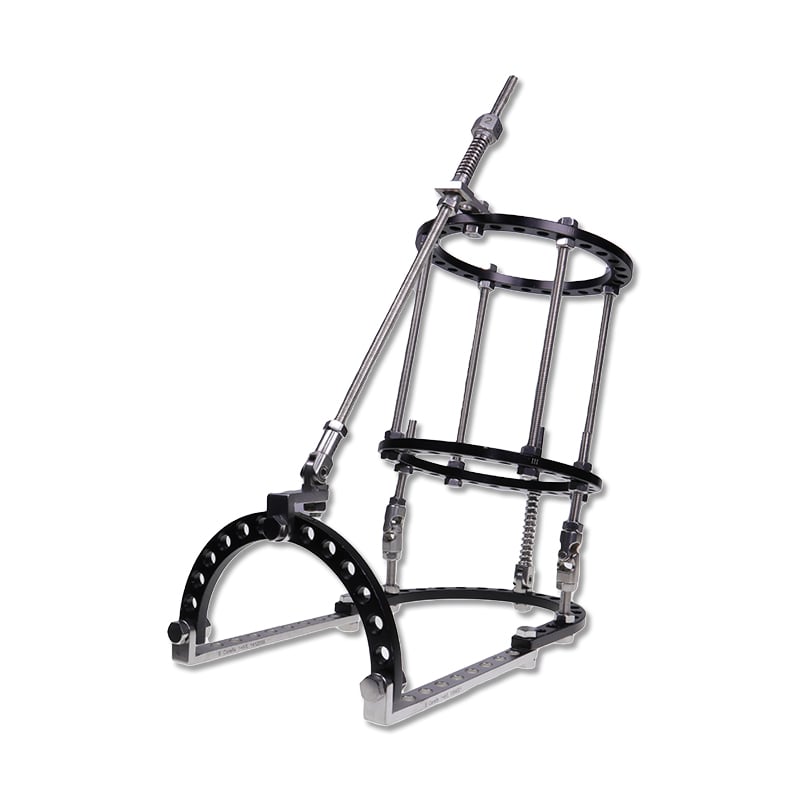
External fixation represents a transformative approach in orthopedic surgery that fundamentally changes how surgeons stabilize bone fractures and support postoperative recovery. Unlike traditional internal fixation methods that require extensive soft tissue disruption, external fixation employs minimally invasive technology to maintain skeletal alignment while preserving the biological environment necessary for rapid healing. This approach has become increasingly vital for patients seeking faster recovery timelines and reduced complications. Understanding how external fixation accelerates the postoperative journey requires examining both the mechanical principles underlying the technology and the clinical outcomes it delivers in real-world orthopedic practice.
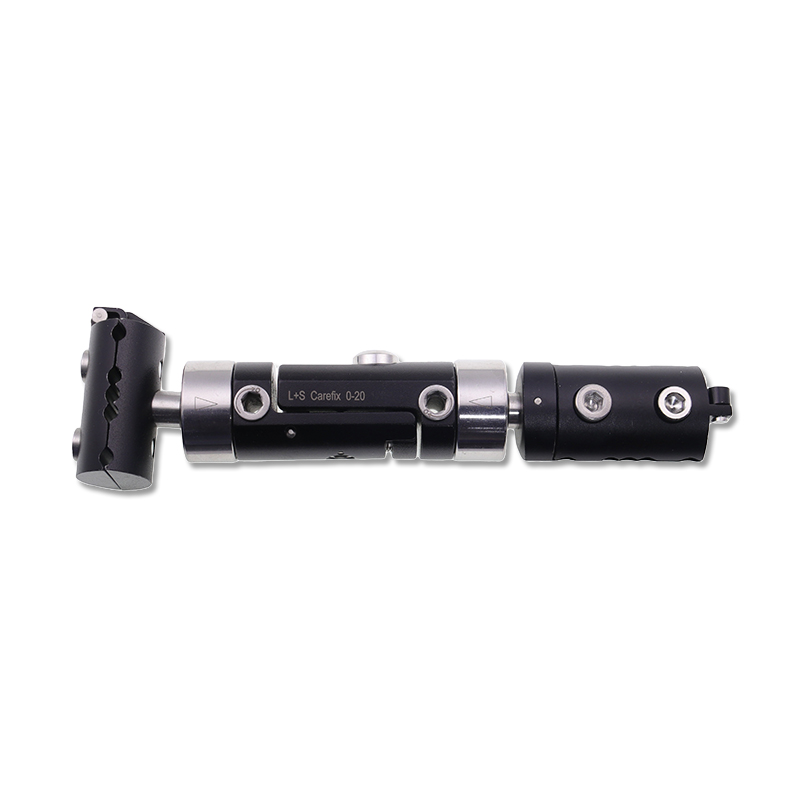
The clinical significance of external fixation extends beyond simple fracture stabilization. Minimally invasive fixation technology reduces damage to surrounding muscles, nerves, and blood vessels, creating an optimal environment for natural bone healing. Patients benefit from immediate weight-bearing capability in many cases, earlier mobilization protocols, and substantially shortened rehabilitation periods compared to conventional surgical interventions. The integration of advanced fixation frames with biomechanical precision has made external fixation a preferred choice for complex trauma cases, pediatric patients, and individuals with comorbidities that complicate traditional surgery.
The Mechanism Behind External Fixation Technology
Minimally Invasive Stabilization Principles
External fixation operates through a fundamentally different principle than traditional internal fixation systems. Rather than implanting metal plates or rods directly into bone, external fixation utilizes percutaneous pins or wires connected to external frames positioned outside the skin. This design allows surgeons to manipulate alignment and compression without extensive surgical exposure. The minimally invasive nature of external fixation means that bone, muscle, and soft tissue trauma remains minimal, preserving the biological cascade essential for rapid healing. Modern external fixation systems incorporate advanced frame geometries and modular components that provide exceptional rigidity while maintaining ease of adjustment throughout the healing process.
Biomechanical Advantages of External Fixation
The biomechanical benefits of external fixation contribute directly to accelerated recovery timelines. Unilateral external fixation configurations distribute loading forces more physiologically than internal systems, stimulating bone formation through micromotion at fracture sites. This controlled dynamism creates optimal conditions for callus formation and bone remodeling. External fixation frames can be adjusted to progressively increase load-bearing as healing progresses, enabling clinicians to customize fixation rigidity to each patient's healing phase. The ability to modify compression and alignment parameters without reoperation represents a significant advantage unique to external fixation technology, making it exceptionally valuable for patients requiring prolonged stabilization with minimal additional surgical intervention.
Clinical Recovery Benefits of External Fixation
Accelerated Tissue Healing and Function
Patients treated with external fixation consistently demonstrate accelerated healing compared to traditional internal fixation approaches. Because minimally invasive fixation techniques preserve soft tissue integrity, inflammatory response remains localized and proportionate to the actual injury rather than compounded by surgical trauma. External fixation enables early mobilization protocols that would be impossible with internal hardware, as patients can bear weight immediately in many scenarios. The reduction in surgical wound complications, infection rates, and soft tissue damage directly translates to faster functional recovery. Rehabilitation specialists report that patients utilizing external fixation regain range of motion, strength, and proprioception weeks earlier than those treated conventionally, creating tangible improvements in quality of life during the critical recovery window.
Pain Reduction and Patient Comfort
The minimally invasive nature of external fixation substantially reduces postoperative pain compared to internal fixation methods. Smaller incisions required for percutaneous pin insertion mean less nerve irritation, muscle trauma, and wound-related discomfort. Many patients treated with external fixation report returning to pain-controlled daily activities within weeks rather than months. The external positioning of fixation hardware allows clinicians to assess and manage pin sites effectively, preventing complications that amplify pain during recovery. Additionally, the ability to adjust external fixation parameters enables surgeons to modify compression and alignment when pain patterns suggest suboptimal healing progression, providing dynamic pain management throughout the postoperative phase. Patient satisfaction scores consistently favor external fixation protocols, particularly regarding comfort and functional restoration during early recovery stages.
Specialized Applications Driving Recovery Acceleration
Complex Fracture Scenarios and Trauma Management
External fixation technology proves particularly advantageous in complex trauma situations where traditional internal fixation presents substantial risks or limitations. Polytrauma patients, those with extensive soft tissue injury, and individuals with comorbidities benefit significantly from minimally invasive fixation approaches. External fixation enables rapid skeletal stabilization without the physiologic stress of extensive surgical exposure, allowing trauma teams to address life-threatening injuries without secondary complications from orthopedic surgery. Unilateral external fixation systems provide remarkable versatility for managing multifragmentary fractures, nonunions, and revision cases where internal hardware placement has failed. The ability to apply external fixation under local anesthesia or with minimal sedation makes it invaluable for medically fragile patients where general anesthesia carries heightened risk. Complex fracture reduction becomes achievable through staged compression and distraction, gradually restoring anatomy without emergency reoperation.
Pediatric and Special Population Benefits
Pediatric patients represent another population experiencing exceptional recovery acceleration through external fixation. Growing bones present unique challenges to internal fixation approaches, as implanted hardware can interfere with physeal development and create stress risers predisposing to refracture. Minimally invasive fixation via external fixation preserves growth potential while providing definitive stabilization. Young patients treated with external fixation demonstrate earlier functional recovery, faster return to sports and recreational activities, and substantially improved psychological outcomes compared to those immobilized in traditional casts. External fixation eliminates hardware removal surgery, reducing cumulative surgical exposure and associated risks. Elderly patients with osteoporotic bone or multiple comorbidities similarly benefit from external fixation's reduced operative stress and minimal soft tissue disruption, enabling faster mobilization and prevention of deconditioning-related complications.
FAQ
How does external fixation compare to internal fixation in terms of recovery speed?
External fixation typically enables substantially faster recovery than internal fixation because it causes minimal soft tissue trauma while allowing immediate or early weight-bearing. Minimally invasive fixation preserves the biological environment essential for rapid bone healing, and patients often regain function weeks earlier with external fixation. Internal fixation requires more extensive surgical exposure and typically involves prolonged immobilization periods, delaying functional recovery and rehabilitation progression. External fixation's ability to adjust compression and alignment without reoperation provides dynamic optimization throughout the healing phase, directly accelerating recovery timelines across most injury types.
What complications should patients expect with external fixation treatment?
Pin site infections represent the most common complication associated with external fixation, though proper care protocols minimize this risk substantially. Minimally invasive fixation techniques reduce many complications inherent to internal hardware by avoiding extensive soft tissue damage and foreign body implantation. Rare complications include nerve or blood vessel injury during pin placement, superficial pin tract irritation, and occasional nonunion in specific fracture patterns. Most complications associated with external fixation prove less severe and more readily managed than those following internal fixation approaches. Patient education regarding pin site care, regular follow-up monitoring, and adherence to weight-bearing protocols dramatically reduces adverse events, making external fixation remarkably safe for appropriately selected patients and injuries.
Can external fixation support immediate weight-bearing after fracture treatment?
Many external fixation configurations enable immediate or very early weight-bearing, depending on fracture location, severity, and fixation rigidity achieved. Minimally invasive fixation systems with unilateral or ring configurations provide excellent biomechanical stability supporting rapid functional loading. Early weight-bearing activates bone healing mechanisms, prevents deconditioning, and accelerates recovery compared to prolonged non-weight-bearing restrictions. External fixation's adjustable design allows surgeons to prescribe progressive loading protocols customized to individual healing progression. Lower extremity fractures treated with appropriately rigid external fixation often support weight-bearing within days to weeks, fundamentally transforming recovery trajectories compared to traditional internal fixation requiring 6-12 weeks of non-weight-bearing restriction.