EN
EN

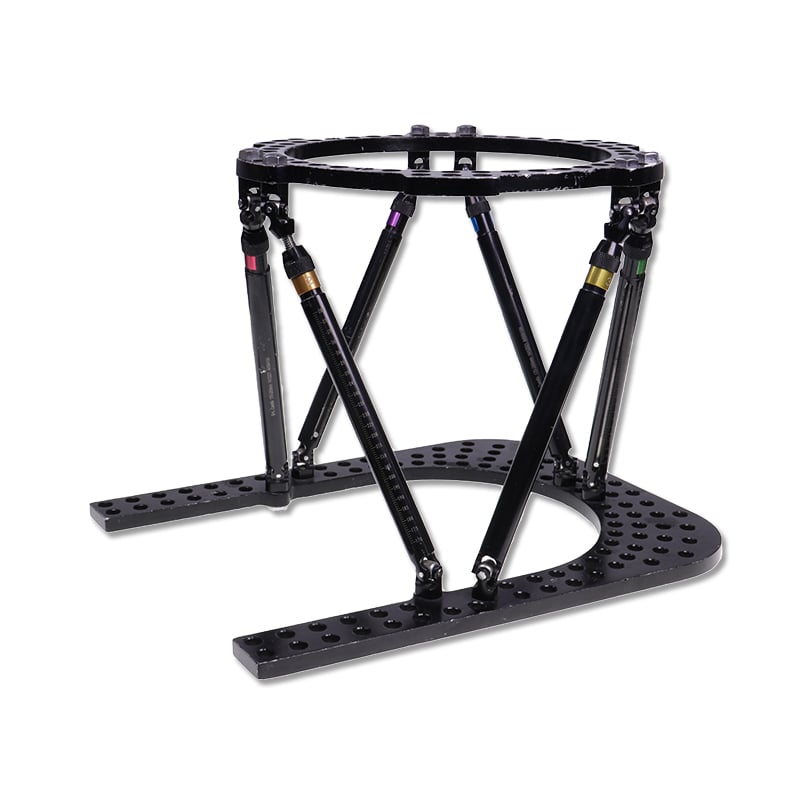
Elbow fractures represent one of the most complex orthopedic injuries, requiring precise alignment and sustained stabilization throughout the healing process. When traditional casting or immobilization proves insufficient, external fixation emerges as a proven solution that offers superior control and predictable outcomes. This advanced technique uses specialized hardware to hold bone fragments in exact anatomical position without requiring internal implants, making it particularly valuable for complex fracture patterns, open wounds, or cases where soft tissue damage complicates conventional approaches. Understanding the technical advantages of external fixation helps clinicians and patients recognize when this method delivers the best possible results for elbow joint recovery.
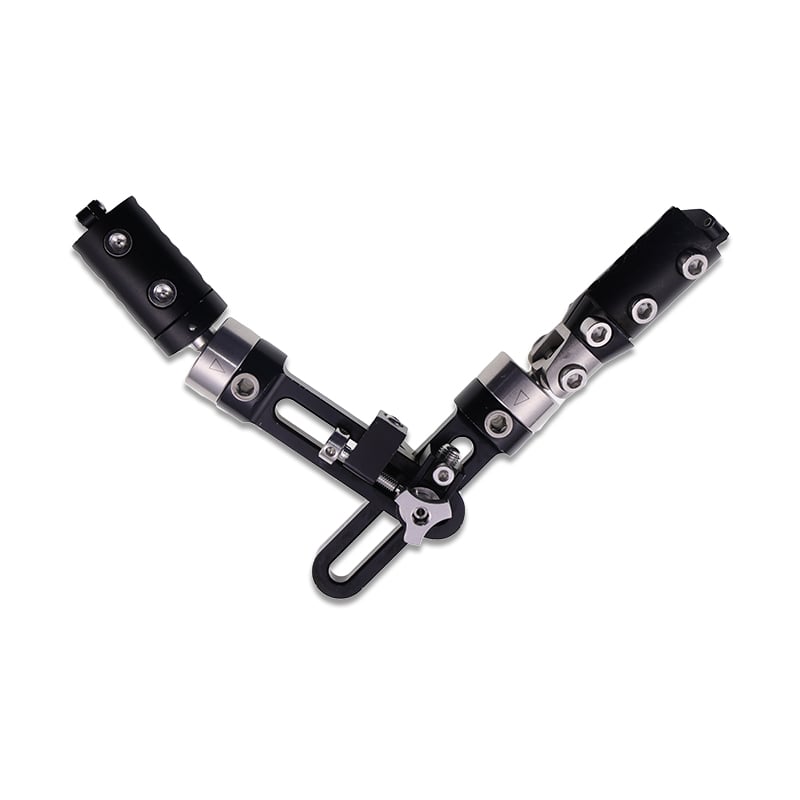
The elbow joint demands exceptional precision during fracture management due to its complex anatomy and critical role in daily arm function. External fixation provides orthopedic surgeons with a proven framework to maintain anatomical alignment while allowing gradual tissue healing. Unlike methods that rely solely on rigid immobilization, external fixation systems offer adjustability during the healing phases, enabling clinicians to respond to tissue changes and optimize final joint positioning. This adaptability, combined with direct visualization advantages and minimal soft tissue disruption, has established external fixation as an essential tool in modern fracture treatment protocols.
Technical Advantages of External Fixation for Elbow Injuries
Superior Biomechanical Control and Stability
External fixation systems maintain exceptional biomechanical stability by using percutaneous pins or screws anchored in bone fragments on either side of the fracture site. This configuration creates a rigid framework that resists shear forces, rotational stress, and axial loading throughout the healing timeline. The precision of external fixation allows surgeons to restore exact anatomical alignment, which directly correlates with superior functional outcomes and reduced rates of nonunion or malunion complications. The mechanical advantage provided by external fixation becomes especially critical in complex elbow fractures where multiple fragments require simultaneous alignment and where traditional methods cannot provide adequate force distribution.
Reduced Soft Tissue Trauma and Infection Risk
One of the most significant benefits of external fixation lies in its capacity to manage fractures without extensive surgical exposure of the joint capsule and surrounding soft tissues. Traditional internal fixation often requires large incisions and substantial tissue disruption, increasing infection risk and compromising blood supply to healing bone. External fixation systems use minimally invasive percutaneous approaches, meaning that swelling, inflammation, and secondary tissue damage remain substantially lower. This advantage proves especially valuable in open fractures or contaminated wounds, where external fixation techniques minimize the introduction of foreign materials into compromised tissues and allow easier wound management during the critical early healing phases.
Clinical Applications and Treatment Scenarios
Complex and Comminuted Fractures
Comminuted elbow fractures involving multiple bone fragments present substantial clinical challenges that external fixation methodically addresses. When fracture lines are complex or bone quality is poor, external fixation provides the anatomical control needed to prevent fragment collapse and malunion. The adjustability inherent in external fixation systems allows progressive alignment refinements as swelling decreases and tissue reorganization occurs, enabling surgeons to achieve optimal final positioning over time. Additionally, external fixation accommodates simultaneous management of associated soft tissue injuries, which frequently occur alongside complex fracture patterns.
Open Fractures and Contaminated Wounds
Open elbow fractures demand rapid stabilization combined with infection prevention, making external fixation the preferred initial treatment in most protocols. External fixation hardware remains external to the wound environment, allowing unrestricted access for cleaning, débridement, and repeated irrigation procedures essential for managing contamination. The sterile technique used during external fixation application minimizes additional contamination risk compared to internal implant placement. Furthermore, external fixation can be maintained throughout the acute treatment phase and gradually converted to other methods once the wound is clean and tissue viability is confirmed, providing maximum treatment flexibility.
Healing Optimization and Functional Recovery
Progressive Loading and Early Mobilization Protocols
Modern external fixation designs enable controlled weight-bearing and limited joint motion protocols that accelerate tissue maturation and functional recovery. Unlike rigid casting that completely immobilizes surrounding joints, many external fixation configurations preserve forearm pronation and supination within safe ranges, preventing stiffness and promoting rehabilitation progress. The stability provided by external fixation allows physical therapists to initiate therapeutic motion protocols earlier in the healing timeline, which directly improves long-term range of motion and functional strength. Graduated loading patterns supported by external fixation stimulate bone remodeling and callus formation, leading to stronger final union compared to methods relying on passive immobilization alone.
Reduced Nonunion and Malunion Complications
The anatomical precision and sustained stability maintained throughout healing via external fixation contribute directly to higher union rates and lower malunion incidence. Clinical data consistently demonstrates that external fixation fractures achieve solid bony union with fewer revision procedures compared to other treatment methods. The ability to maintain alignment throughout all healing phases—from acute inflammatory response through remodeling completion—represents a fundamental advantage of external fixation over methods lacking real-time adjustment capability. Additionally, the reduced soft tissue trauma associated with external fixation techniques promotes faster callus bridging and more complete bone remodeling in the critical weeks following fracture.
FAQ
How long does external fixation typically remain in place after elbow fracture treatment?
Most external fixation systems remain in place for six to twelve weeks, depending on fracture complexity, patient age, and bone quality. Simple fractures in young patients with good bone stock may progress toward removal within six weeks, while complex comminuted fractures in older individuals may require external fixation for twelve weeks or longer. Surgeons monitor healing progress through periodic radiographic assessment and gradually progress loading protocols as callus maturity increases. The timeline for external fixation removal is individualized based on clinical and radiographic evidence of bone union rather than fixed predetermined schedules.
What are the primary limitations of external fixation for elbow fractures?
External fixation does require percutaneous pin sites that demand meticulous wound care and carry a modest pin-tract infection risk if hygiene protocols are not followed carefully. Some patients experience mild discomfort at pin sites or temporary sensory changes in surrounding tissues. Additionally, external fixation hardware visibility and the required pin care regimen may present psychological adjustment challenges for some patients. Despite these limitations, the clinical benefits of external fixation typically outweigh these considerations, particularly in complex fracture scenarios where alternative methods offer inferior outcomes.
Can external fixation be converted to other treatment methods during the healing process?
Yes, external fixation can be progressively replaced with less restrictive immobilization methods as healing advances and bone callus maturation progresses. Many protocols involve transitioning from external fixation to functional bracing during later healing phases, allowing increased motion and rehabilitation intensity. Some fractures originally managed via external fixation may eventually benefit from internal fixation conversion once acute soft tissue injuries resolve, though this transition is carefully planned and executed by experienced orthopedic teams. The flexibility of external fixation as a bridge toward definitive management represents one of its significant practical advantages in complex clinical situations.