EN
EN

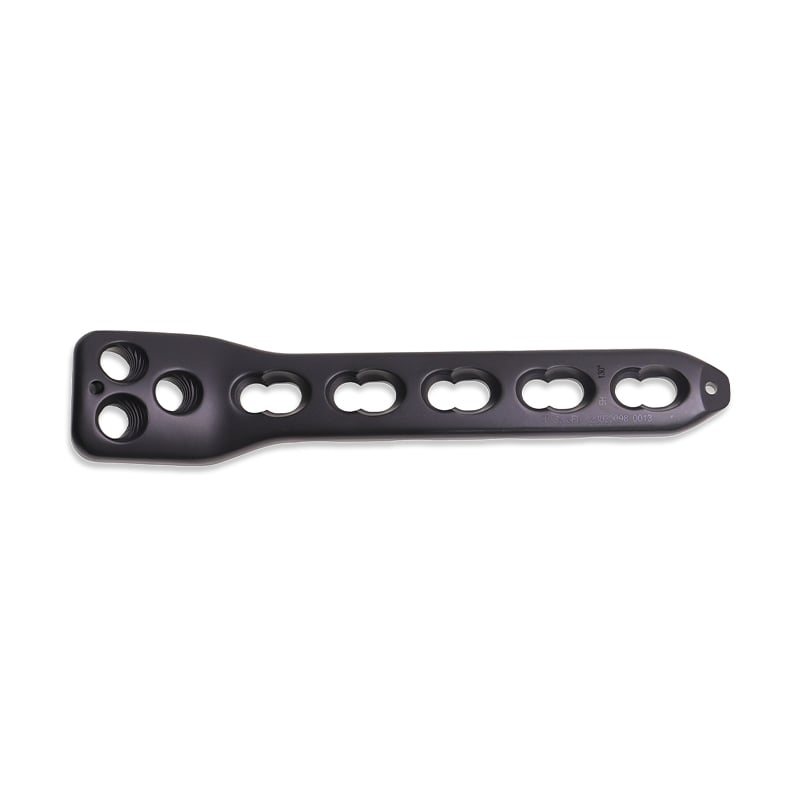
Complex tibial plateau fractures represent one of the most challenging orthopedic injuries, requiring careful consideration of fixation strategies to restore joint alignment and function. The choice between locking plates tibial plateau fractures treatment and conventional plating systems has become a central debate in orthopedic surgery, with each approach offering distinct mechanical and biological advantages. Understanding the differences between these fixation methods is essential for surgeons managing high-energy trauma and complicated intra-articular injuries. The decision to use locking plates tibial plateau fractures versus traditional fixation directly impacts patient outcomes, including union rates, arthrofibrosis development, and long-term knee stability.
Modern orthopedic practice increasingly favors locking plates tibial plateau fractures treatment approaches due to their superior biomechanical properties and reduced soft tissue trauma compared to conventional plating. When selecting between these fixation modalities for complex tibial plateau fractures, surgeons must evaluate fracture complexity, bone quality, soft tissue status, and patient-specific factors. The evolution of plate technology has provided orthopedic surgeons with multiple options for managing these injuries, yet the optimal choice remains context-dependent and requires comprehensive clinical judgment.
Understanding Fixation Mechanics and Load Distribution
Locking Plate Technology in Tibial Plateau Fractures
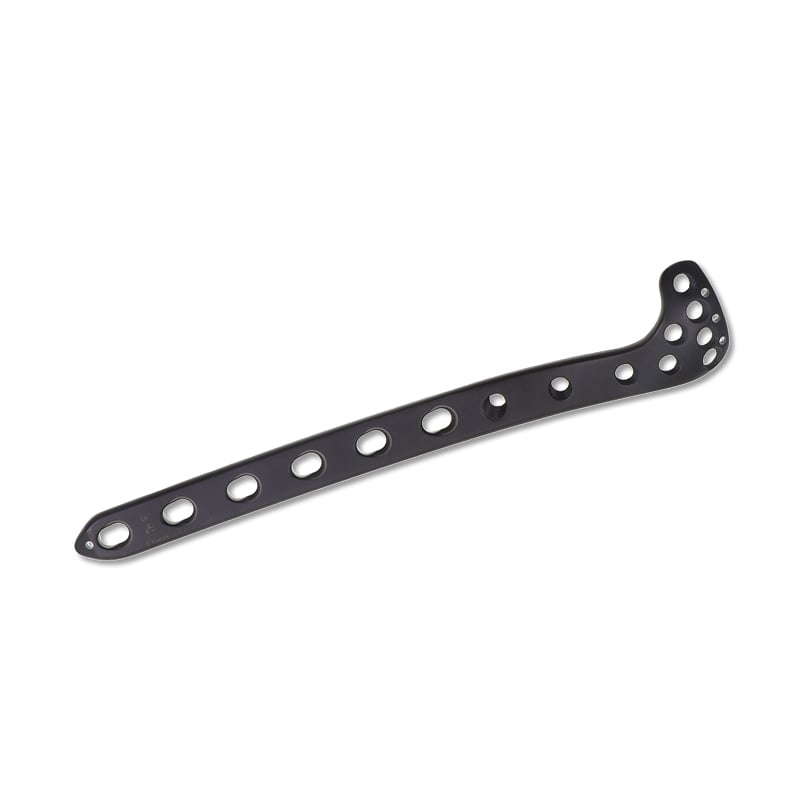
Locking plates for tibial plateau fractures function as fixed-angle devices, where the threaded screw head engages directly with the plate, creating a unified construct that distributes axial loads more effectively than traditional screw-plate interactions. This fixed-angle mechanism in locking plates tibial plateau fractures systems eliminates micromotion at the screw-plate interface, reducing stress shielding and promoting enhanced load sharing between plate and bone. The angular stability provided by locking plates tibial plateau fractures allows surgeons to achieve rigid fixation without requiring precise cortical screw engagement, which proves particularly advantageous in osteoporotic bone or complex comminuted fractures where cortical purchase may be compromised.
Conventional Plate Mechanics and Limitations
Conventional plates rely on friction between screw threads and cortical bone, requiring careful screw placement and adequate bone stock to achieve stability. In complex tibial plateau fractures with severe comminution, conventional plating systems depend on anatomic reduction and precise cortical contact, making them more vulnerable to failure in scenarios where fragment-specific fixation proves difficult. The traditional screw-plate interface in conventional systems generates greater micromotion than locking plates tibial plateau fractures constructs, potentially leading to delayed union in high-energy mechanisms and compromised biomechanical environments.
Clinical Advantages of Locking Plate Systems
Biological and Soft Tissue Benefits
Locking plates designed for tibial plateau fractures preserve periosteal blood supply more effectively than conventional compression plating techniques, as they do not require direct plate-to-bone contact along the entire implant length. This reduced surgical trauma translates into superior bone healing potential and diminished rates of arthrofibrosis in patients treated with locking plates tibial plateau fractures fixation. The biological advantage of locking plates tibial plateau fractures becomes particularly evident in polytrauma cases and delayed presentations where soft tissue viability remains compromised. Studies increasingly demonstrate that locking plates tibial plateau fractures systems reduce postoperative knee stiffness and improve functional outcomes by preserving the fracture hematoma and maintaining vascular integrity.
Mechanical Advantages in Complex Fractures
Complex tibial plateau fractures, particularly Schatzker types four through six, present significant reduction challenges that favor locking plate technology. The fixed-angle characteristics of locking plates tibial plateau fractures eliminate the need for anatomically perfect reduction to achieve stability, allowing surgeons to focus on articular surface restoration without compromising implant performance. In scenarios involving severe bone loss or comminution, locking plates tibial plateau fractures provide superior angular stability compared to conventional systems, reducing construct failure risk and promoting more predictable fracture consolidation patterns.
Conventional Plate Indications and Consideration
Scenarios Favoring Traditional Fixation
Conventional plates remain appropriate for simple, minimally displaced tibial plateau fractures with excellent bone stock and minimal soft tissue compromise. In younger patients with high-quality cortical bone and straightforward fracture patterns, conventional plating may offer adequate fixation while potentially reducing hardware prominence concerns. Simple Schatzker type one and two fractures in appropriate patient populations can be successfully managed with conventional plates, though locking plates tibial plateau fractures increasingly represent the safer choice given their superior performance in variable bone quality scenarios.
Cost and Surgical Familiarity Factors
Conventional plates typically involve lower material costs compared to locking plates tibial plateau fractures systems, which may influence purchasing decisions in resource-limited settings. Some surgeons maintain greater technical familiarity with traditional compression plating techniques, potentially achieving excellent results through refined conventional approaches when appropriate patient selection criteria are met. However, the clinical advantages and superior outcomes associated with locking plates tibial plateau fractures in complex scenarios increasingly justify the modest cost differential and learning curve investment for modern orthopedic practice.
Clinical Decision-Making Framework
Patient and Fracture Factors Influencing Selection
Complex tibial plateau fractures with comminution, bone loss, or osteoporotic quality strongly favor locking plates tibial plateau fractures fixation due to superior stability and reduced dependence on cortical bone engagement. Patient age, bone density, soft tissue status, and associated injuries should guide the selection process, with locking plates tibial plateau fractures representing the preferred choice in elderly patients, polytrauma presentations, or delayed presentations. High-energy mechanisms consistently demonstrate improved outcomes with locking plates tibial plateau fractures compared to conventional approaches, supporting their use as the default fixation strategy in modern trauma centers.
Surgeon Experience and Institutional Protocols
Orthopedic centers with well-established locking plate techniques and comprehensive institutional protocols for locking plates tibial plateau fractures management report consistently superior functional outcomes compared to facilities relying primarily on conventional fixation. The mastery of submuscular and percutaneous approaches using locking plates tibial plateau fractures requires dedicated training but ultimately provides surgeons with more versatile treatment options across diverse fracture presentations. Contemporary orthopedic education increasingly emphasizes locking plate expertise, recognizing that proficiency with locking plates tibial plateau fractures systems expands surgical capability and improves patient outcomes across multiple injury patterns.
FAQ
When should surgeons choose locking plates over conventional plates for tibial plateau fractures?
Locking plates should be selected for complex, comminuted tibial plateau fractures, severe bone loss, osteoporotic bone quality, polytrauma cases, delayed presentations, and scenarios where soft tissue compromise limits cortical engagement. The fixed-angle stability provided by locking plates tibial plateau fractures eliminates dependence on anatomically perfect reduction, making them the superior choice for most modern trauma scenarios. High-energy mechanisms, elderly patients, and complex Schatzker type fractures consistently demonstrate better outcomes with locking plates tibial plateau fractures compared to conventional fixation approaches.
What specific advantages do locking plates offer for complex tibial plateau fractures?
Locking plates provide superior biomechanical stability without requiring direct bone contact, preserve periosteal blood supply more effectively, reduce soft tissue trauma, eliminate screw-plate micromotion, function reliably in poor bone quality, and reduce arthrofibrosis development compared to conventional systems. The fixed-angle mechanism of locking plates tibial plateau fractures allows accurate reduction without demanding perfect cortical alignment, enabling surgeons to restore articular anatomy while maintaining construct rigidity. These advantages translate into improved union rates, reduced infection risk, better functional outcomes, and lower revision rates when compared to conventional plate fixation for complex fracture presentations.
Are conventional plates still appropriate for any tibial plateau fracture presentations?
Conventional plates remain suitable for simple, minimally displaced tibial plateau fractures in younger patients with excellent bone stock and minimal soft tissue involvement. Straightforward Schatzker type one and two fractures in appropriate clinical scenarios may be successfully managed with conventional systems when surgeons possess refined technical expertise with compression plating techniques. However, even in these favorable scenarios, many modern surgeons choose locking plates tibial plateau fractures to ensure superior outcomes and reduce potential complications associated with conventional fixation.