EN
EN

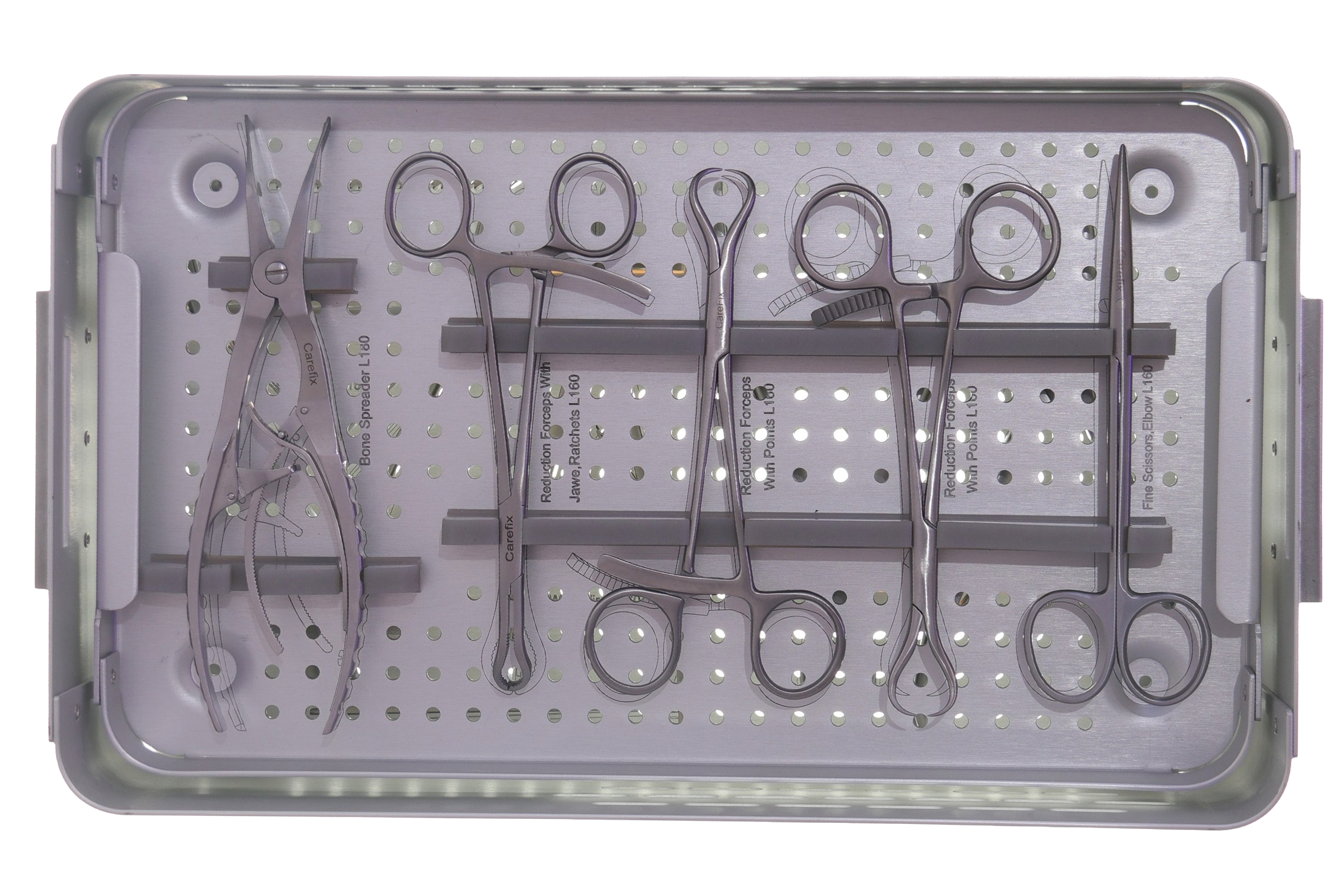
Trauma surgery instruments represent a critical component of any modern surgical facility. When healthcare providers invest in trauma surgery instruments, they expect a complete, coordinated system that functions seamlessly during high-pressure emergency procedures. The question of whether trauma surgery instruments come with matching surgical instruments and tools, and whether they are specifically designed for trauma surgery, deserves a thorough exploration. Understanding the composition, matching capabilities, and specialized design of trauma surgery instruments ensures surgical teams can operate with confidence and efficiency when patient outcomes depend on rapid, precise intervention.
Quality trauma surgery instruments are engineered with integration in mind. Manufacturers understand that emergency trauma procedures demand tools that work together harmoniously, with consistent sizing, material properties, and ergonomic handling. When trauma surgery instruments are supplied as comprehensive kits, each component is pre-selected to complement the others, reducing setup time and minimizing the risk of using incompatible devices during critical surgical moments. This integrated approach reflects industry best practices and demonstrates the vendor's commitment to supporting surgical excellence.
Comprehensive Trauma Surgery Instruments Kits
Complete Tool Integration in Trauma Surgery Instruments
Modern trauma surgery instruments are supplied as complete systems rather than random assortments of tools. Each trauma surgery instruments kit includes carefully selected components that address the full scope of trauma fixation, reduction, and stabilization needs. The matching principle ensures that screw diameters align with plate specifications, that reduction clamps fit the planned fixation system, and that retractors provide appropriate exposure without damaging adjacent structures. When you procure trauma surgery instruments from reputable manufacturers, you receive instruments that have undergone rigorous compatibility testing and clinical validation together as a unified system.
The integration of trauma surgery instruments extends beyond simple mechanical compatibility. The instruments are selected to support specific surgical workflows and techniques recognized as standard in trauma management. Reduction clamps, for example, are sized to stabilize bone fragments effectively while working with the specific plate systems included in the trauma surgery instruments kit. Measuring devices, depth gauges, and trial implants are all calibrated to the exact specifications of the final implants, ensuring accuracy throughout the procedure. This comprehensive approach to trauma surgery instruments design reflects decades of surgical feedback and evidence-based trauma care protocols.
Standardization and Quality Assurance in Trauma Surgery Instruments
Trauma surgery instruments manufactured by established surgical companies undergo stringent quality control processes that ensure consistency across every unit produced. Each trauma surgery instruments set meets international standards for medical device manufacturing, including ISO certifications and regulatory approvals. The materials used in trauma surgery instruments, typically surgical stainless steel or titanium alloys, are tested for strength, corrosion resistance, and biocompatibility. Quality assurance protocols verify that every component of trauma surgery instruments functions within specification and integrates seamlessly with its matched partners in the kit.
Documentation accompanying trauma surgery instruments kits provides detailed specifications, compatibility matrices, and usage guidelines that enable surgical teams to understand exactly how each instrument functions and how it relates to others in the set. This transparency is especially important for trauma surgery instruments, where unfamiliar or incompatible tools could compromise surgical outcomes. Manufacturers of quality trauma surgery instruments invest heavily in training materials and technical support, recognizing that proper instrument knowledge directly impacts surgical safety and efficiency in trauma cases.
Specialized Design for Trauma Surgery Instruments
Trauma-Specific Features in Surgical Instruments
Trauma surgery instruments are purpose-built for the unique demands of emergency orthopedic procedures. Unlike instruments designed for elective joint reconstruction or arthroscopy, trauma surgery instruments must facilitate rapid access, aggressive reduction of displaced fragments, and stable fixation under challenging anatomical conditions. The specialized design of trauma surgery instruments reflects these requirements through robust construction, ergonomic handles optimized for extended use, and mechanisms that function reliably even when working conditions are less than ideal. Trauma surgery instruments include heavy-duty reduction tools, clamps designed to hold complex fracture patterns, and specialized retractors that provide excellent exposure while protecting soft tissues.
The mechanical advantage built into trauma surgery instruments is significantly greater than in instruments used for routine surgical procedures. Reduction forceps in a trauma surgery instruments kit are engineered to apply substantial force without slipping or damaging bone surfaces. Clamps and holding devices in trauma surgery instruments feature serrated or textured contact surfaces specifically designed to prevent fragment migration during reduction maneuvers. The handles of quality trauma surgery instruments are shaped and sized for secure gripping, even when wearing double gloves or when hands are wet. These trauma-specific design elements distinguish purpose-built trauma surgery instruments from general surgical tools adapted for trauma use.
Optimization for High-Volume Trauma Centers
Trauma surgery instruments are engineered to withstand the demands of high-volume surgical environments where the same instruments may be used multiple times daily across different patient cases. This intensive use environment demands that trauma surgery instruments maintain their precision and functionality over extended service life. Manufacturers of trauma surgery instruments incorporate design features that resist wear, maintain sharp edges where required, and prevent mechanical loosening of moving parts. The construction of trauma surgery instruments reflects a deep understanding of reprocessing cycles, sterilization protocols, and the cumulative stresses that instruments experience in busy trauma settings.
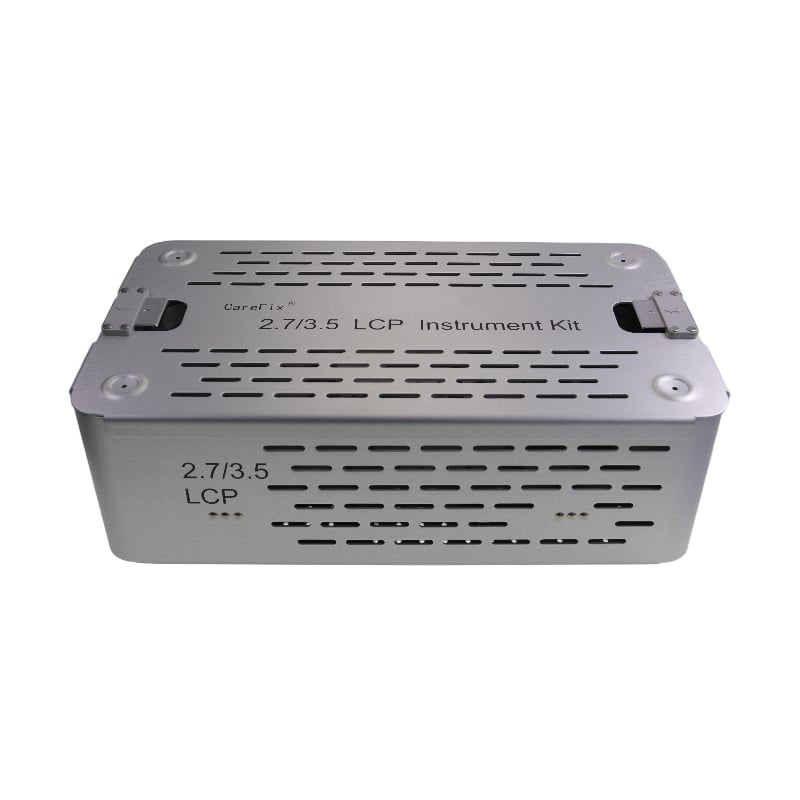
Investment in quality trauma surgery instruments ultimately reduces total cost of ownership for trauma centers. While premium trauma surgery instruments carry higher initial acquisition costs, their durability, reliability, and consistent performance across hundreds of procedures represent superior value compared to lower-cost alternatives that require more frequent replacement or repair. Trauma surgery instruments that consistently function as designed contribute to shorter operative times, reduced blood loss, and better fracture reduction quality, all of which directly benefit patients and support institutional financial performance.
Matching Systems and Surgical Compatibility
System-Based Approach to Trauma Surgery Instruments
Leading manufacturers have adopted a system-based philosophy for trauma surgery instruments, where all components are engineered as an integrated whole rather than as individual tools. This approach to trauma surgery instruments means that plate systems, screw specifications, reduction techniques, and instrument dimensions are all optimized to work together. When surgical teams use trauma surgery instruments from a single system, they benefit from design synergies that enhance both operative efficiency and clinical outcomes. The trauma surgery instruments in a matched system are tested not just individually but as combinations, ensuring that instruments work together as intended during actual surgical procedures.
System-based trauma surgery instruments facilitate standardization within surgical departments and across multi-facility healthcare networks. When all trauma surgeons at a facility work with the same trauma surgery instruments, training becomes more focused, inventory management becomes simpler, and surgical teams develop greater proficiency with their instruments. This standardization particularly benefits emergency trauma situations where surgical teams may not have had time for extensive preparation. Trauma surgery instruments that follow consistent design principles across different anatomical regions and fixation types reduce cognitive load on surgeons and support faster decision-making in time-critical scenarios.
Verification of Instrument Matching and Compatibility
When acquiring trauma surgery instruments, facility managers should verify that all components within the kit are explicitly matched for compatibility. Documentation for trauma surgery instruments should clearly identify which tools work together and specify any limitations on combining instruments from different product lines. Quality suppliers of trauma surgery instruments provide compatibility matrices that map each instrument to the implant systems and surgical techniques it supports. This level of documentation is essential for trauma surgery instruments because surgical teams need confidence that their instrument inventory will function reliably during emergency procedures.
Modern trauma surgery instruments often incorporate dimensional specifications that make compatibility immediately apparent to experienced users. Screw diameters, plate hole patterns, and reduction guide dimensions in trauma surgery instruments are designed to show clearly whether components are truly matched or merely similar in appearance. The trauma surgery instruments supplied by reputable manufacturers include detailed dimension drawings and specification sheets that enable verification of compatibility before instruments are used clinically. This transparency supports surgical safety and facility confidence in the instrument systems selected for trauma care.
FAQ
Do all trauma surgery instruments come with complete matching tool sets?
Not all trauma surgery instruments are supplied as complete matched sets. Some facilities purchase trauma surgery instruments modularly, selecting specific components based on their clinical needs and preferences. However, reputable manufacturers design their trauma surgery instruments so that components within a given system integrate seamlessly. When you purchase trauma surgery instruments from established manufacturers as a packaged kit, you receive instruments that have been matched for compatibility and tested to function together effectively.
How can surgical teams verify that trauma surgery instruments are specifically designed for trauma procedures?
Verification that trauma surgery instruments are truly trauma-specific involves reviewing design documentation, regulatory clearances, and clinical evidence. Trauma surgery instruments should carry explicit labeling indicating their intended use and anatomical application. Reputable manufacturers provide clinical data demonstrating the performance of their trauma surgery instruments in actual surgical settings. Consulting with experienced trauma surgeons and reviewing case studies helps confirm that trauma surgery instruments have been genuinely optimized for the unique demands of trauma fixation.
Why should facilities invest in matched trauma surgery instruments rather than purchasing individual tools?
Matched trauma surgery instruments provide superior reliability, efficiency, and clinical outcomes compared to mixed tool collections. When trauma surgery instruments are specifically matched as a system, operative times decrease, technique consistency improves, and surgeon confidence increases. Matched trauma surgery instruments also simplify training, inventory management, and quality assurance processes. The integrated design of matched trauma surgery instruments ensures that every component functions optimally with its paired instruments, supporting patient safety and institutional reputation in trauma care.