EN
EN

Understanding the Challenges of External Fixation in Modern Orthopedic Surgery
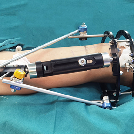
External fixation brackets have revolutionized orthopedic surgery by providing stable support for fracture healing and limb reconstruction. These essential medical devices serve as a cornerstone in trauma surgery, offering surgeons the flexibility to adjust and maintain optimal bone alignment throughout the healing process. As medical technology advances, understanding both the complications and solutions associated with external fixation brackets becomes increasingly crucial for healthcare professionals.
The implementation of external fixation brackets requires precise technical expertise and comprehensive knowledge of potential challenges that may arise during treatment. While these devices have proven highly effective in managing complex fractures and deformities, their application comes with specific considerations that every surgical team must carefully evaluate and address.
Primary Complications Associated with External Fixation
Pin Site Infections and Management
One of the most frequent complications encountered with external fixation brackets involves pin site infections. These infections can range from minor superficial inflammation to severe deep tissue involvement. The presence of percutaneous pins creates a direct pathway between the external environment and internal tissues, making infection prevention crucial.
Early recognition and aggressive treatment of pin site infections are essential. Regular cleaning protocols, sterile technique during dressing changes, and proper patient education about pin care significantly reduce infection risks. When infections do occur, targeted antibiotic therapy and enhanced cleaning measures often resolve the issue without compromising the fixation stability.
Mechanical Complications and Structural Integrity
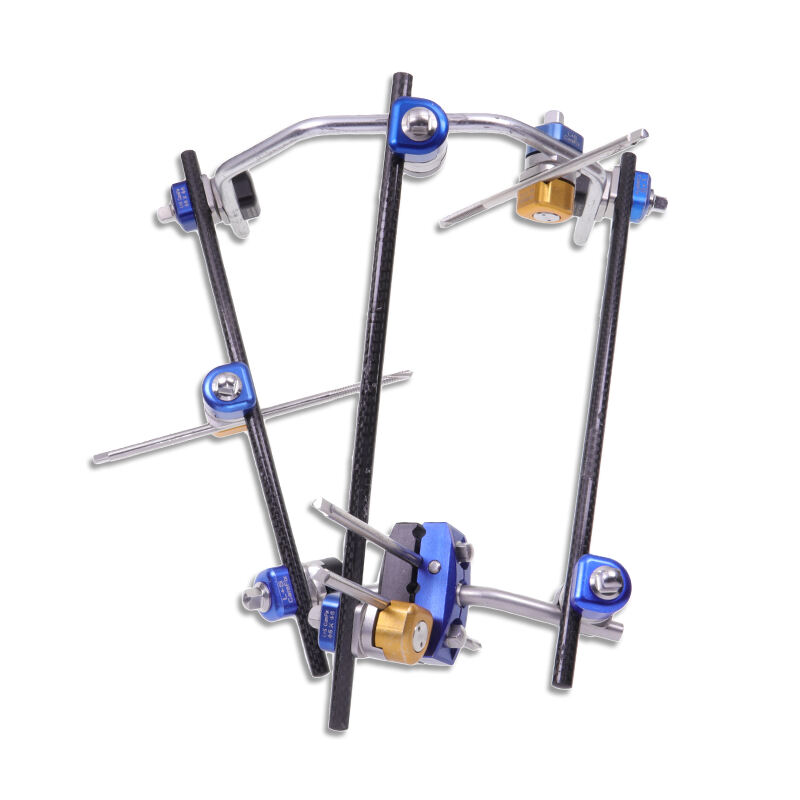
External fixation brackets may experience mechanical failures that affect their structural integrity. Pin loosening, frame instability, and component breakage represent significant challenges that can compromise treatment outcomes. These issues often stem from excessive stress on the construct or improper initial placement of components.
Regular monitoring of frame stability and early intervention when mechanical issues arise helps maintain treatment effectiveness. Surgical teams must perform routine checks of all connecting elements and ensure proper tension maintenance throughout the treatment period.
Advanced Treatment Strategies for External Fixation Complications
Innovative Pin Site Care Protocols
Modern approaches to pin site care incorporate evidence-based protocols that maximize healing while minimizing complications. These protocols typically include standardized cleaning schedules, specialized antimicrobial dressings, and regular assessment of pin stability. Healthcare providers now emphasize the importance of patient involvement in daily pin site care, providing detailed instructions and support materials.
Research has shown that consistent application of these protocols significantly reduces infection rates and improves overall treatment outcomes. Advanced wound care products specifically designed for external fixation sites have further enhanced the management of these challenging areas.
Biomechanical Optimization Techniques
Understanding and optimizing the biomechanics of external fixation brackets has led to improved treatment methods. Surgeons now utilize sophisticated planning tools to determine optimal pin placement and frame configuration. This approach considers individual patient factors, including bone quality, fracture pattern, and anticipated loading conditions.
Computer-assisted planning and 3D printing technology have revolutionized the customization of external fixation brackets, allowing for more precise and patient-specific configurations. These advancements help reduce mechanical complications and improve overall treatment efficiency.
Prevention Strategies and Risk Mitigation
Preoperative Planning and Assessment
Successful external fixation treatment begins with thorough preoperative planning. This includes detailed imaging studies, careful evaluation of soft tissue condition, and consideration of patient-specific factors such as bone quality and compliance capability. Surgical teams now employ advanced imaging techniques and planning software to optimize bracket placement and configuration.
Risk assessment tools help identify patients who may require additional monitoring or modified treatment approaches. This proactive strategy allows for early intervention and adaptation of treatment plans when necessary.
Patient Education and Compliance Programs
Comprehensive patient education programs have emerged as crucial components in preventing complications with external fixation brackets. These programs cover proper hygiene practices, activity modifications, and warning signs that require immediate medical attention. Well-informed patients typically experience better outcomes and fewer complications.
Modern education approaches incorporate multimedia resources, regular follow-up sessions, and support group connections to enhance patient compliance and understanding. This comprehensive support system helps maintain treatment momentum and reduces the risk of complications.
Future Developments in External Fixation Technology
Smart Monitoring Systems
The integration of smart technology with external fixation brackets represents an exciting development in orthopedic care. Sensors embedded within frame components can now monitor stress distribution, detect early signs of loosening, and alert healthcare providers to potential complications before they become serious issues.
These technological advances promise to revolutionize how we monitor and adjust external fixation treatments, potentially reducing complications and improving outcomes through early intervention.
Material Science Innovations
Research in material science continues to yield new possibilities for external fixation brackets. Novel materials with enhanced biocompatibility and structural properties are being developed, offering potential improvements in both treatment outcomes and patient comfort. These innovations focus on reducing weight while maintaining or improving structural integrity.
Antimicrobial coatings and surface modifications show promise in reducing infection risks, while advanced composite materials may offer better stress distribution and reduced wear over time.
Frequently Asked Questions
What are the most critical signs of complications with external fixation brackets?
Key warning signs include increasing pain or redness around pin sites, unusual drainage or discharge, loosening or movement of pins, and persistent fever. Patients should seek immediate medical attention if they experience any of these symptoms to prevent serious complications.
How long do patients typically need to wear external fixation brackets?
The duration varies significantly depending on the specific condition being treated, the location of the injury, and individual healing factors. Generally, treatment periods range from 6 weeks to several months, with regular assessments to determine when removal is appropriate.
Can patients return to normal activities while wearing external fixation brackets?
Most patients can gradually return to modified daily activities under medical supervision. However, activity levels must be carefully monitored and adjusted based on treatment progress, with certain high-impact activities restricted until healing is complete.
Table of Contents
- Understanding the Challenges of External Fixation in Modern Orthopedic Surgery
- Primary Complications Associated with External Fixation
- Advanced Treatment Strategies for External Fixation Complications
- Prevention Strategies and Risk Mitigation
- Future Developments in External Fixation Technology
- Frequently Asked Questions