EN
EN

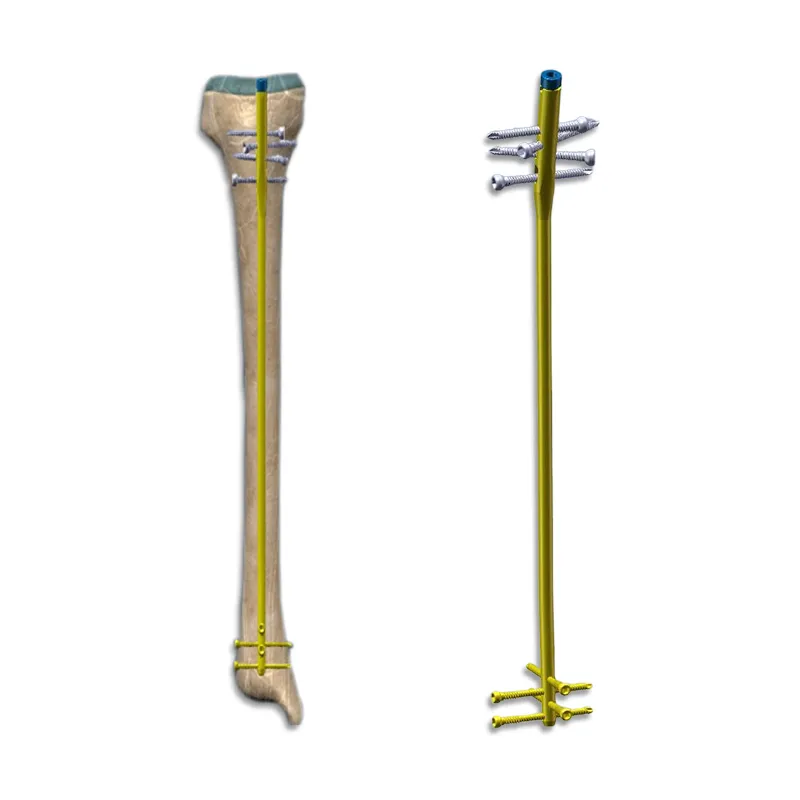
The pediatric intramedullary nail represents a transformative advancement in orthopedic surgery, particularly for treating complex fractures and deformities in growing children. Unlike traditional external fixation methods, a pediatric intramedullary nail provides internal stabilization that accommodates the unique biomechanical demands of pediatric patients. This innovative approach combines structural stability with the flexibility needed to support natural bone growth, making it an increasingly preferred choice for orthopedic surgeons managing pediatric cases.
Children experience different healing patterns and growth trajectories compared to adults, requiring specialized fixation solutions. The pediatric intramedullary nail system addresses these distinct needs by offering extendable capabilities that adjust as children grow, eliminating the need for multiple revision surgeries. This technological innovation reduces overall treatment burden, hospitalizations, and recovery time while maintaining alignment and functional outcomes throughout the growth period.
Understanding Pediatric Intramedullary Nail Technology
Core Design and Mechanical Principles
A pediatric intramedullary nail functions as an internal support structure inserted into the medullary canal of long bones, providing three-point fixation that resists rotational and axial forces. The pediatric intramedullary nail design incorporates specialized features including smaller diameter specifications suitable for children's bone anatomy and locking mechanisms adapted for pediatric proportions. Extendable variants of the pediatric intramedullary nail include telescoping components that lengthen automatically with bone growth, accommodating limb elongation without requiring additional surgical procedures. This innovation eliminates the significant morbidity associated with repeated surgical interventions in growing children.
Material Composition and Safety Standards
Pediatric intramedullary nail systems are manufactured from biocompatible titanium alloys and stainless steel that meet stringent international regulatory standards. These materials provide adequate strength to support pediatric weight-bearing demands while minimizing stress shielding effects that could compromise natural bone remodeling. The pediatric intramedullary nail surface characteristics and design specifications ensure compatibility with pediatric bone tissue, reducing inflammatory response and promoting optimal integration. Quality assurance protocols verify that each pediatric intramedullary nail meets dimensional accuracy requirements critical for surgical precision in smaller anatomical spaces.
Clinical Applications and Treatment Advantages
Fracture Management in Growing Patients
The pediatric intramedullary nail excels in managing complex femoral and tibial fractures, particularly comminuted fractures that demand superior stability. When surgeons deploy a pediatric intramedullary nail system, patients achieve early mobilization, which accelerates functional recovery and prevents stiffness-related complications. The pediatric intramedullary nail provides reliable fixation for pathological fractures, stress fractures, and traumatic injuries while accommodating the biological reality that children's bones continue growing. Early weight-bearing capability enabled by pediatric intramedullary nail fixation reduces hospital stay duration and allows children to return to school and normal activities faster than traditional casting approaches.
Deformity Correction and Limb Lengthening
Beyond fracture treatment, the pediatric intramedullary nail system serves critical roles in correcting limb length discrepancies and angular deformities. Extendable designs within the pediatric intramedullary nail category allow gradual lengthening that accommodates natural growth patterns while maintaining precise alignment. Surgeons appreciate the pediatric intramedullary nail's capacity to address multiple deformity components simultaneously—length, alignment, and rotation—through a single minimally invasive procedure. This comprehensive capability reduces the cumulative surgical burden and associated complications that arise from managing limb deformities through sequential procedures.
Surgical Technique and Clinical Outcomes
Insertion Methodology and Precision Requirements
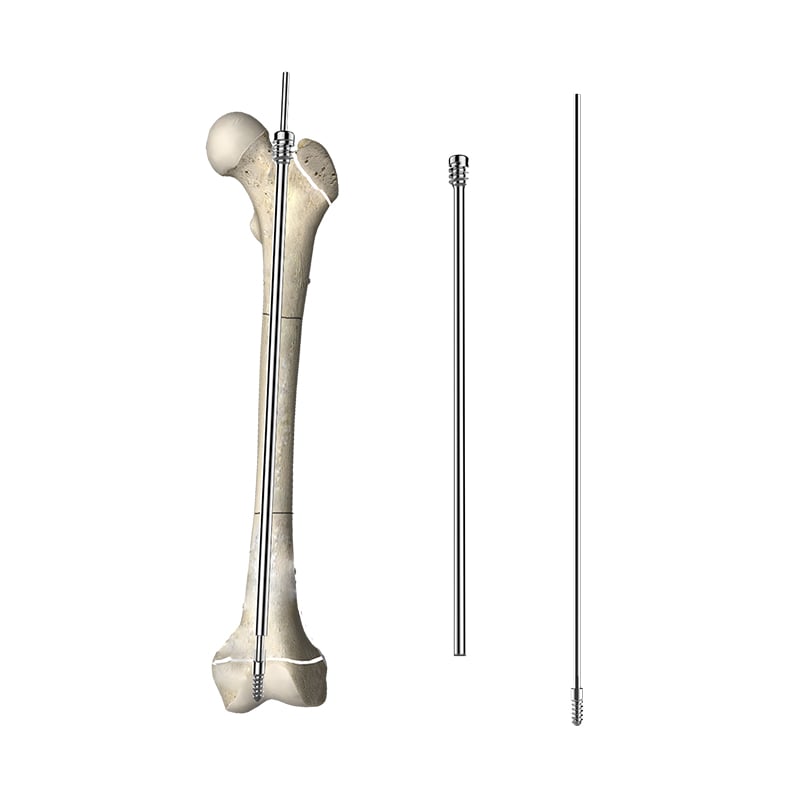
Successful pediatric intramedullary nail placement requires meticulous surgical technique adapted to pediatric anatomy, including appropriate entry points and careful medullary canal reaming. The pediatric intramedullary nail insertion involves fluoroscopic guidance to ensure proper alignment and positioning, particularly in small-diameter bones where margin for error is minimal. Surgeon experience with pediatric intramedullary nail systems correlates strongly with optimal outcomes, making specialized training and case volume significant factors in center selection. The pediatric intramedullary nail must be sized precisely to the individual child's anatomy; undersizing compromises stability while oversizing risks iatrogenic damage to the medullary canal or growth plates.
Long-Term Follow-Up and Growth Monitoring
Longitudinal management of patients treated with a pediatric intramedullary nail extends throughout the entire growth period and into skeletal maturity. Regular radiographic assessment of the pediatric intramedullary nail position, alignment, and functional status ensures early detection of potential complications such as migration, mechanical loosening, or hardware failure. The pediatric intramedullary nail's extendable capability requires periodic assessment to determine when extension mechanisms should be activated, typically during phases of accelerated growth. Clinical examination combined with imaging protocols specific to pediatric intramedullary nail cases guides decision-making regarding removal timing, revision requirements, or transition strategies as children approach skeletal maturity.
FAQ
What makes the pediatric intramedullary nail different from adult systems?
The pediatric intramedullary nail incorporates smaller diameter specifications, different locking mechanisms, and extendable capabilities designed for growing skeleton management. Adult intramedullary nails are rigid and sized for skeletal maturity, while pediatric intramedullary nail systems accommodate longitudinal growth and require specialized surgical approaches suited to pediatric anatomy. The pediatric intramedullary nail's design philosophy prioritizes minimizing future surgical interventions while supporting optimal bone remodeling during critical developmental stages.
Can extendable features of the pediatric intramedullary nail prevent revision surgery?
Extendable variants of the pediatric intramedullary nail significantly reduce—though may not completely eliminate—the need for revision procedures. The pediatric intramedullary nail's telescoping mechanism adjusts for expected growth patterns in most patients, but significant length discrepancies, accelerated growth, or unexpected mechanical issues may necessitate secondary intervention. Proper initial selection and sizing of the pediatric intramedullary nail system based on comprehensive preoperative assessment substantially improves the likelihood of single-stage definitive fixation.
When should removal of the pediatric intramedullary nail be considered?
Removal of the pediatric intramedullary nail is typically considered after skeletal maturity, generally defined as physeal closure verified through imaging. The pediatric intramedullary nail removal timing depends on individual growth status, alignment stability, and absence of complications rather than arbitrary age thresholds. Some patients achieve stable healing allowing removal earlier, while others benefit from delayed removal to support bone strength during the transition period; the pediatric intramedullary nail's presence provides structural support during the critical maturation phase following active growth cessation.