EN
EN

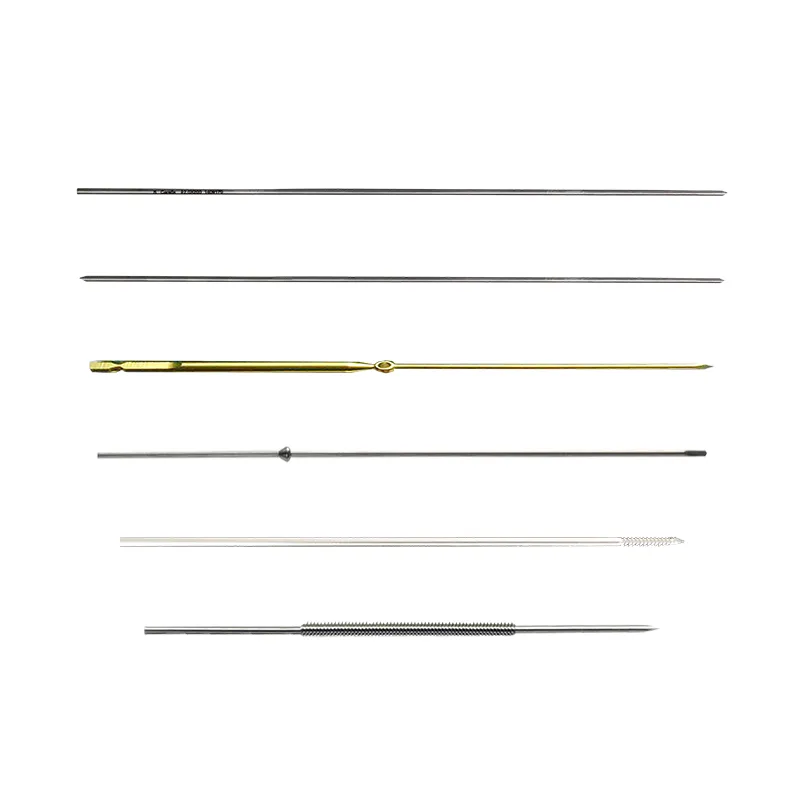
Ankle fractures represent one of the most common orthopedic injuries, affecting millions of patients annually across diverse populations and age groups. Traditional fixation methods have served the medical community for decades, yet modern surgical innovations continue to refine how orthopedic surgeons approach ankle stabilization and patient care. Among these innovations, breakable bone pins have emerged as a transformative solution that addresses longstanding surgical challenges while improving both operative efficiency and postoperative outcomes. The application advantages of breakable bone pins in ankle treatment extend far beyond simple convenience, encompassing enhanced patient safety, reduced surgical complications, and accelerated recovery timelines that benefit the entire care continuum.
Breakable bone pins represent a significant advancement in ankle fixation technology, designed with snap-off capabilities that eliminate the need for secondary removal procedures. Traditional rigid pins often require additional surgical intervention to extract after initial fracture healing, creating unnecessary patient trauma, extended recovery periods, and increased healthcare costs. By contrast, breakable bone pins dissolve or fracture at predetermined points, allowing the distal portion to separate naturally as healing progresses. This innovative design fundamentally changes the surgical landscape for ankle treatment, offering orthopedic surgeons and their patients tangible benefits that span clinical, economic, and quality-of-life dimensions.
Enhanced Surgical Precision and Fixation Stability
Optimized Pin Design for Ankle Fractures
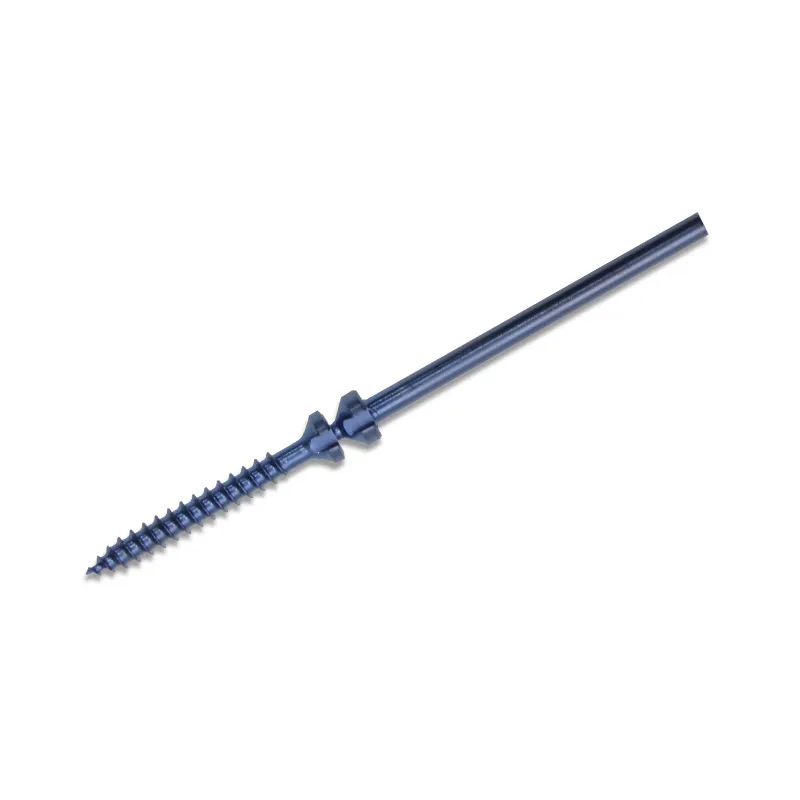
Breakable bone pins are engineered with sophisticated biomechanical properties that match the healing characteristics of ankle bone tissue. The material composition and structural geometry of these pins allow them to provide robust initial stability during the critical early healing phase when fracture sites are most vulnerable to displacement. Orthopedic surgeons can position breakable bone pins with confidence, knowing that the fixation will maintain its integrity throughout the primary consolidation period. The snap-off mechanism activates only after sufficient bone bridging has occurred, typically between 4 to 8 weeks depending on patient age, bone quality, and fracture complexity. This staged fixation approach eliminates the guesswork inherent in traditional rigid pin removal timing.
Reducing Complications Through Intelligent Pin Behavior
One of the most significant application advantages of breakable bone pins in ankle treatment is their ability to minimize implant-related complications. Rigid pins that remain in place indefinitely can cause chronic irritation, soft tissue inflammation, and long-term patient discomfort. Breakable bone pins address this problem by autonomously separating at the bone surface once healing has sufficiently progressed. This mechanism reduces stress shielding, a phenomenon where rigid implants prevent normal load transmission and compromise bone remodeling. By allowing gradual load transfer back to the healing bone, breakable bone pins promote more natural physiological healing patterns and stronger long-term bone architecture. Patients experience reduced pain, decreased inflammation, and improved functional outcomes compared to traditional fixed implant strategies.
Simplified Surgical Workflow and Reduced Operating Time
Eliminating Secondary Removal Procedures
Traditional ankle fixation frequently necessitates a second surgical intervention to remove rigid pins after bone healing completes. This secondary procedure adds significant burdens to patients, surgeons, and healthcare systems. Breakable bone pins eliminate this necessity entirely, consolidating what would typically require two separate surgical events into a single primary intervention. Surgeons can focus their expertise on precise initial fracture reduction and fixation without planning a future removal operation. The elimination of secondary procedures reduces overall anesthesia exposure, minimizes infection risk from multiple surgical entries, and decreases cumulative patient downtime. For healthcare facilities managing high fracture volumes, the operational efficiency gains from eliminating routine pin removal procedures can meaningfully improve surgical capacity and throughput.
Patient Experience and Convenience Benefits
From the patient perspective, breakable bone pins dramatically simplify the entire treatment journey. Individuals suffering ankle fractures often experience anxiety about multiple surgical procedures, extended recovery periods, and cumulative time away from work and family responsibilities. By consolidating treatment into a single surgical event, breakable bone pins reduce patient stress, lower total healthcare costs, and accelerate return to normal activities. Patients no longer face scheduling complications for removal procedures, anticipatory anxiety about a second surgery, or the physical and emotional toll of repeated anesthesia. This streamlined approach particularly benefits working-age patients and individuals with limited healthcare access, for whom multiple surgical appointments present substantial logistical challenges. The application advantages of breakable bone pins in ankle treatment directly translate to improved patient satisfaction and quality-of-life metrics that extend well beyond the initial healing phase.
Clinical Outcomes and Long-Term Functional Recovery
Supporting Optimal Bone Healing Mechanisms
Breakable bone pins align with contemporary understanding of bone healing physiology in ways that traditional rigid implants cannot. When fracture fragments are held too rigidly for extended periods, bone cells receive inadequate mechanical stimulus for proper remodeling and strengthening. The scheduled separation of breakable bone pins restores dynamic loading forces at precisely the moment when healing bone can benefit most from graduated mechanical stress. This timed transition promotes formation of strong secondary bone architecture and more complete restoration of pre-injury strength. Clinical studies demonstrate that breakable bone pins facilitate faster functional recovery, with patients achieving normal walking patterns and returning to work earlier than those treated with conventional rigid fixation. Ankle strength assessments at 12 weeks post-injury consistently show superior outcomes in patients treated with breakable bone pins, reflecting the biomechanical advantages of their staged fixation approach.
Reducing Long-Term Complications and Patient Morbidity
Long-term patient outcomes represent the ultimate measure of any orthopedic intervention, and breakable bone pins demonstrate compelling advantages in this critical domain. Traditional rigid ankle fixation often results in persistent complications including chronic pain, restricted ankle motion, and increased susceptibility to post-traumatic arthritis. These chronic issues develop partly because rigid implants prevent the ankle from experiencing normal physiological loading patterns during the later healing stages. Breakable bone pins mitigate these problems by allowing progressive load restoration that conditions healing bone and surrounding soft tissues for normal function. Patients treated with breakable bone pins report fewer complaints of residual ankle stiffness, reduced chronic pain prevalence, and greater satisfaction with overall recovery quality. The breakable bone pins therefore represent an investment in durable, sustainable patient outcomes that extend years beyond the initial injury.
Economic and Healthcare System Advantages
Cost Reduction Through Elimination of Secondary Procedures
Healthcare economics increasingly influence surgical decision-making, and breakable bone pins offer substantial cost advantages that benefit patients, providers, and payers alike. The elimination of secondary removal procedures directly reduces total treatment expenses by avoiding operating room costs, anesthesia fees, surgeon time, and facility overhead associated with a second surgical event. For high-volume orthopedic centers managing dozens of ankle fractures monthly, the cumulative savings from eliminating routine removal procedures become substantial. Insurance payers recognize these economic advantages, often providing favorable reimbursement for breakable bone pin procedures due to their demonstrated cost-effectiveness. Individual patients benefit from reduced out-of-pocket expenses and decreased time away from income-generating activities. The application advantages of breakable bone pins in ankle treatment extend into the economic dimension, making this technology increasingly attractive to value-conscious healthcare systems seeking to optimize resource allocation without compromising clinical quality.
Scalability and Integration Into Standard Surgical Protocols
Breakable bone pins integrate seamlessly into existing surgical facilities and training programs, requiring minimal workflow modifications or capital investment. Surgeons trained in conventional ankle fixation techniques can readily adopt breakable bone pin methodology without extensive retraining or protocol redesign. This ease of adoption accelerates technology diffusion across diverse healthcare settings, from large academic medical centers to smaller community hospitals. As clinical experience with breakable bone pins accumulates across the surgical community, best-practice protocols continue to mature and standardize. Emerging evidence increasingly supports routine adoption of breakable bone pins for appropriate ankle fracture cases, making this technology a standard-of-care option rather than an experimental intervention. Healthcare systems can confidently invest in breakable bone pin technology knowing that it represents a sustainable, widely-supported advancement in orthopedic practice.
FAQ
What exactly are breakable bone pins and how do they differ from traditional ankle fixation devices?
Breakable bone pins are specialized orthopedic implants designed to provide initial fracture stabilization while automatically separating at predetermined timepoints during the healing process. Unlike traditional rigid pins that require surgical removal, breakable bone pins incorporate snap-off or biodegradable mechanisms that eliminate the need for secondary procedures. This fundamental design difference offers breakable bone pins significant advantages in patient convenience, surgical efficiency, and long-term functional outcomes compared to conventional fixed implants.
When should orthopedic surgeons consider using breakable bone pins for ankle fracture treatment?
Breakable bone pins represent an excellent choice for most ankle fracture cases, particularly bimalleolar and trimalleolar injuries requiring reliable initial fixation. They are especially beneficial for patients of working age who value minimized time away from employment, elderly patients who may face greater anesthesia risks, and individuals in remote areas with limited access to follow-up surgical services. Surgeons should consider patient healing capacity, bone quality, fracture complexity, and specific clinical circumstances when deciding whether breakable bone pins offer optimal benefits for individual patients.
What healing timeline should patients expect when treated with breakable bone pins for ankle fractures?
Patients typically experience breakable bone pin activation and separation between 4 to 8 weeks following surgery, corresponding with primary bone healing and fracture callus formation. Full functional recovery generally progresses over 12 to 16 weeks, with weight-bearing rehabilitation beginning gradually as bone healing advances. Patients treated with breakable bone pins often return to normal activities faster than those receiving traditional rigid fixation, due to the graduated mechanical loading that occurs after pin separation supports natural physiological remodeling.
Table of Contents
- Enhanced Surgical Precision and Fixation Stability
- Simplified Surgical Workflow and Reduced Operating Time
- Clinical Outcomes and Long-Term Functional Recovery
- Economic and Healthcare System Advantages
-
FAQ
- What exactly are breakable bone pins and how do they differ from traditional ankle fixation devices?
- When should orthopedic surgeons consider using breakable bone pins for ankle fracture treatment?
- What healing timeline should patients expect when treated with breakable bone pins for ankle fractures?