EN
EN

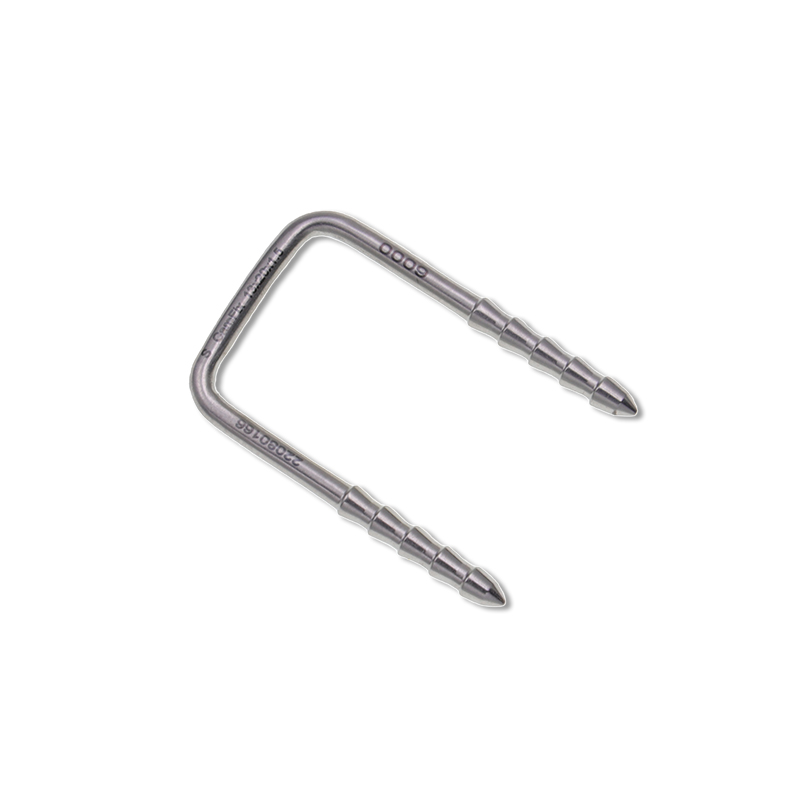
The orthopedic implant industry continues to evolve rapidly, and U-shaped nails have emerged as one of the most closely watched product segments within surgical fixation. As clinicians seek more reliable and minimally invasive solutions for bone stabilization, the commercial interest in U-shaped nails has grown considerably across hospitals, orthopedic clinics, and medical device distributors. Understanding the market forces behind this growth is essential for any stakeholder looking to assess the true sales potential of U-shaped nails in today's competitive healthcare landscape.
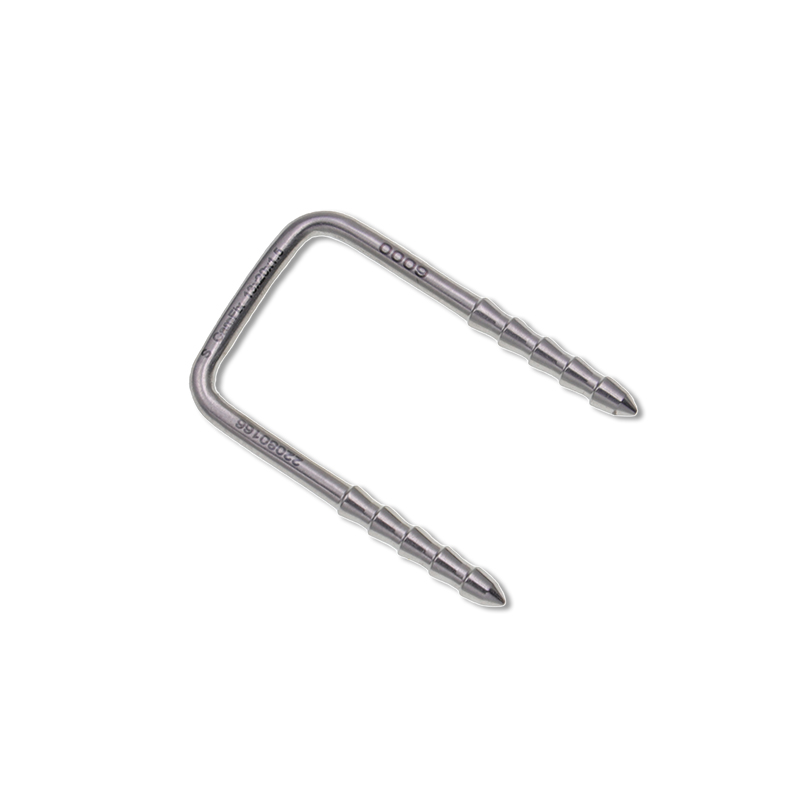
U-shaped nails are specialized orthopedic fixation devices designed primarily for use in epiphyseal and small bone procedures, offering stable purchase and controlled compression across targeted anatomical sites. Their compact profile and precise anchoring capability make U-shaped nails particularly attractive for pediatric orthopedics, foot and ankle surgery, and growth plate corrections. The demand for U-shaped nails is being shaped by a combination of clinical preference, demographic trends, and expanding surgical volumes globally.
Key Market Drivers Behind U-Shaped Nails Demand
Rising Surgical Volumes and Orthopedic Procedure Growth
One of the strongest forces fueling demand for U-shaped nails is the steady global rise in orthopedic surgical procedures. An aging population combined with higher rates of sports injuries, congenital bone deformities, and limb deformity corrections has expanded the pool of patients who require precise fixation implants. U-shaped nails fit directly into this growing need, offering surgeons a reliable tool for cases where conventional screws or plates are less effective. As surgical centers continue to increase their procedure volumes, procurement demand for U-shaped nails rises in parallel.
Clinical Preference for Minimally Invasive Fixation
Surgeons and hospital procurement teams are actively shifting toward implants that support minimally invasive techniques, reduce operative time, and simplify post-operative recovery. U-shaped nails address these priorities directly. Their design allows for efficient placement with minimal soft tissue disruption, which aligns with current best practices in surgical care. As clinical guidelines continue to favor less invasive approaches, the adoption rate of U-shaped nails across surgical teams is expected to accelerate, strengthening both unit volume demand and long-term sales forecasts.
Sales Potential of U-Shaped Nails Across Market Segments
Pediatric and Adolescent Orthopedics as a Core Growth Segment
The pediatric orthopedic segment represents one of the highest-value growth areas for U-shaped nails. Children and adolescents undergoing epiphyseal stapling or growth modulation procedures require implants specifically designed for smaller, more delicate bone structures. U-shaped nails meet these anatomical requirements precisely. Distributors and device companies targeting pediatric orthopedic centers are finding that U-shaped nails command strong repeat purchase cycles because corrective growth procedures often involve staged interventions over time. This creates sustained demand rather than one-time procurement events.
Foot and Ankle Surgery Applications Expanding Market Reach
Beyond pediatric use, foot and ankle surgery has become a significant commercial application area for U-shaped nails. Procedures such as hallux valgus correction, metatarsal osteotomy stabilization, and small joint arthrodesis frequently benefit from the precise fixation geometry that U-shaped nails provide. As foot and ankle surgery volumes increase globally due to lifestyle-related conditions and diabetic complications, the addressable market for U-shaped nails widens considerably. Medical device sales teams serving podiatric surgery centers and orthopedic foot clinics are increasingly incorporating U-shaped nails into their core product portfolios.
Competitive Landscape and Distribution Considerations
Product Differentiation and Material Quality as Sales Levers
In a competitive orthopedic implant market, sales performance of U-shaped nails depends heavily on product differentiation. Key factors include implant material quality, dimensional accuracy, surface finish, and biocompatibility certification. Titanium alloy U-shaped nails, for instance, offer superior strength-to-weight ratios and excellent osseointegration compatibility compared to standard stainless steel variants. Distributors that can communicate these technical distinctions effectively to orthopedic procurement committees are better positioned to capture sustained business. The sales potential of U-shaped nails therefore depends not just on volume but on the perceived clinical value each product iteration delivers.
Distribution Channel Strategy and Market Penetration
Effective distribution remains a critical determinant of how fully the sales potential of U-shaped nails can be realized. Hospital group purchasing organizations, regional orthopedic distributors, and direct sales force models each offer different penetration advantages. In mature markets, established relationships with orthopedic department heads often drive consistent reorder volumes for U-shaped nails. In emerging markets, educational outreach and clinical demonstration programs are proving effective in converting surgeons who are unfamiliar with the fixation benefits that U-shaped nails offer. Multi-channel distribution strategies that combine digital visibility with hands-on surgical training tend to generate the strongest long-term sales pipelines for U-shaped nails.
FAQ
What clinical procedures create the strongest demand for U-shaped nails?
The strongest clinical demand for U-shaped nails comes from pediatric growth modulation surgeries, epiphyseal stapling procedures, and foot and ankle corrective operations. These procedures require precise, compact fixation implants, and U-shaped nails are well suited to all of these applications. As these procedure volumes grow globally, procurement demand for U-shaped nails grows accordingly.
How does product quality affect the sales potential of U-shaped nails?
Product quality directly influences the sales potential of U-shaped nails because orthopedic procurement decisions are heavily driven by clinical outcomes and implant reliability. U-shaped nails manufactured to tight dimensional tolerances, with certified biocompatible materials and proven surface treatments, consistently outperform lower-grade alternatives in competitive tender processes. Distributors who prioritize high-quality U-shaped nails build stronger long-term customer retention among surgical teams.
Are emerging markets a significant opportunity for U-shaped nails sales growth?
Yes, emerging markets represent a meaningful growth opportunity for U-shaped nails, particularly in regions where orthopedic surgical infrastructure is expanding rapidly. As healthcare investment increases across Southeast Asia, Latin America, and parts of the Middle East, surgical volumes and implant procurement budgets are rising. U-shaped nails, with their relatively accessible price point and broad procedural applicability, are well positioned to gain market share as these regions modernize their orthopedic care capabilities.