EN
EN


How to Perform a Successful Minimally Invasive Calcaneal Surgery
Case: Calcaneal Fracture, Sanders Type III
Problems identified:
1. Loss of height and angular deformity (obliterated Böhler’s angle, blunted Gissane’s angle).
2. Comminuted and depressed articular surface of the subtalar joint with a significant step-off.
3. Shortening and widening of the calcaneus, with associated varus malalignment.
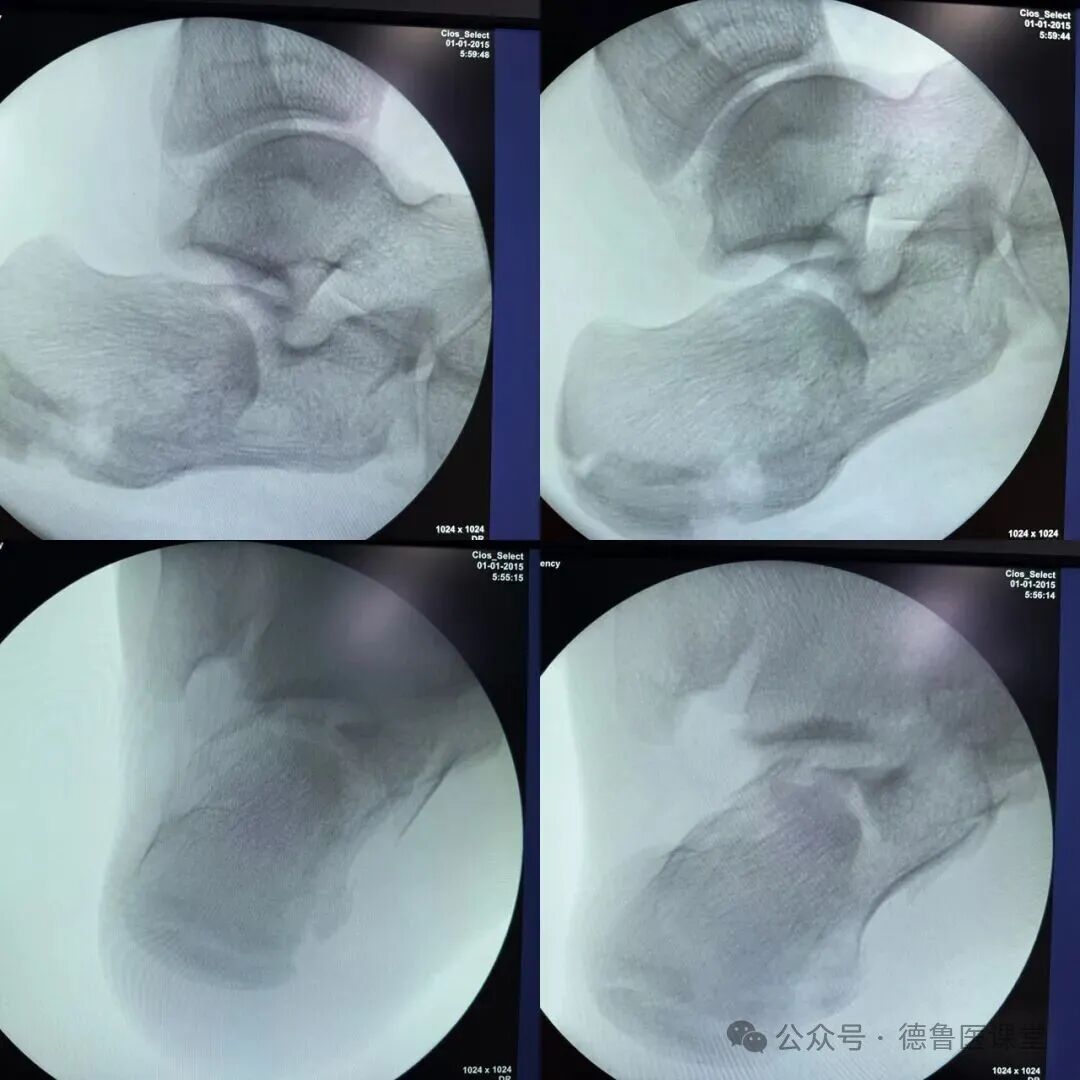
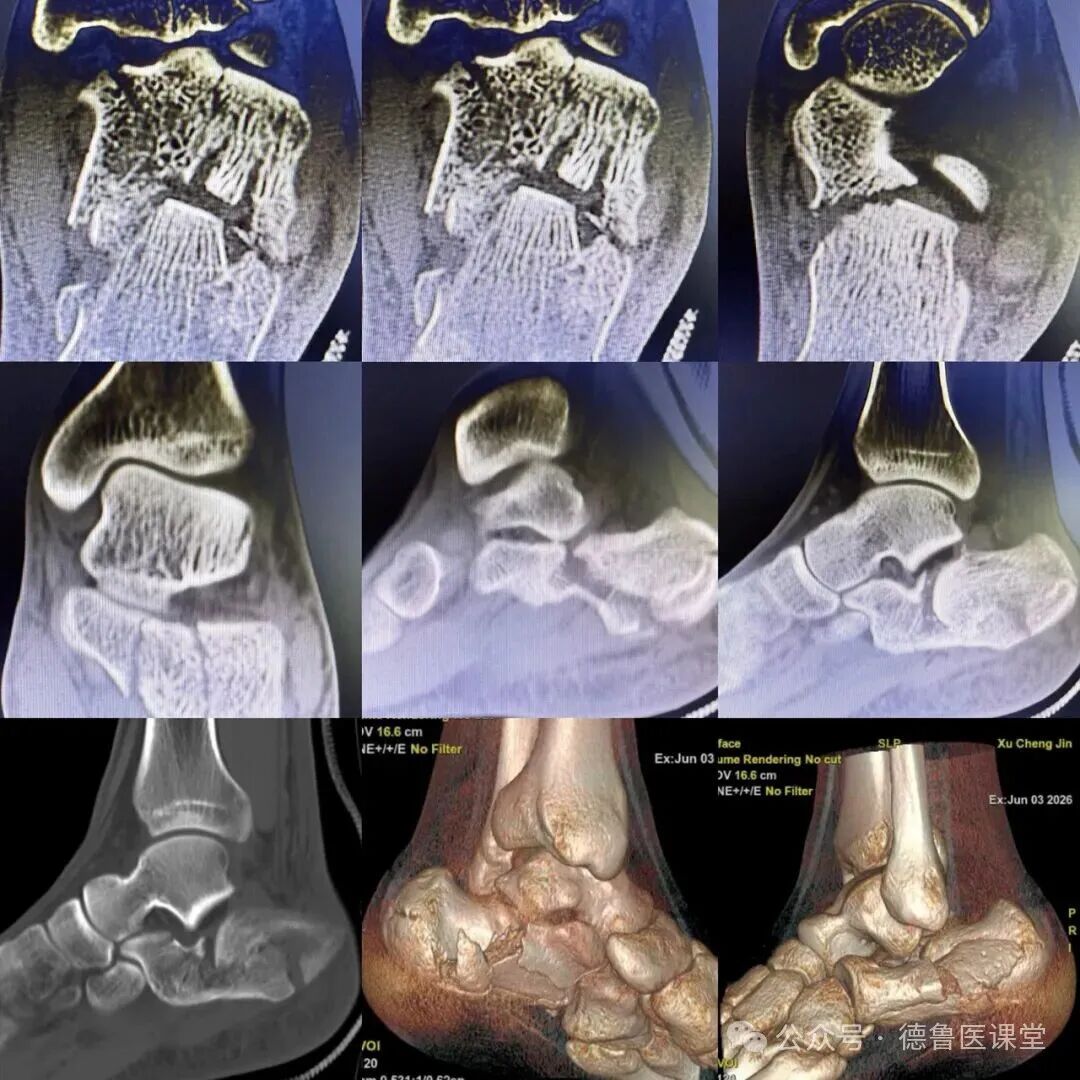
What can be done? (Multiple options available – how to ensure a good outcome?)
My choice for minimally invasive surgery:
- Percutaneous leverage reduction assisted by a radiolucent distracter
- Percutaneous screw fixation
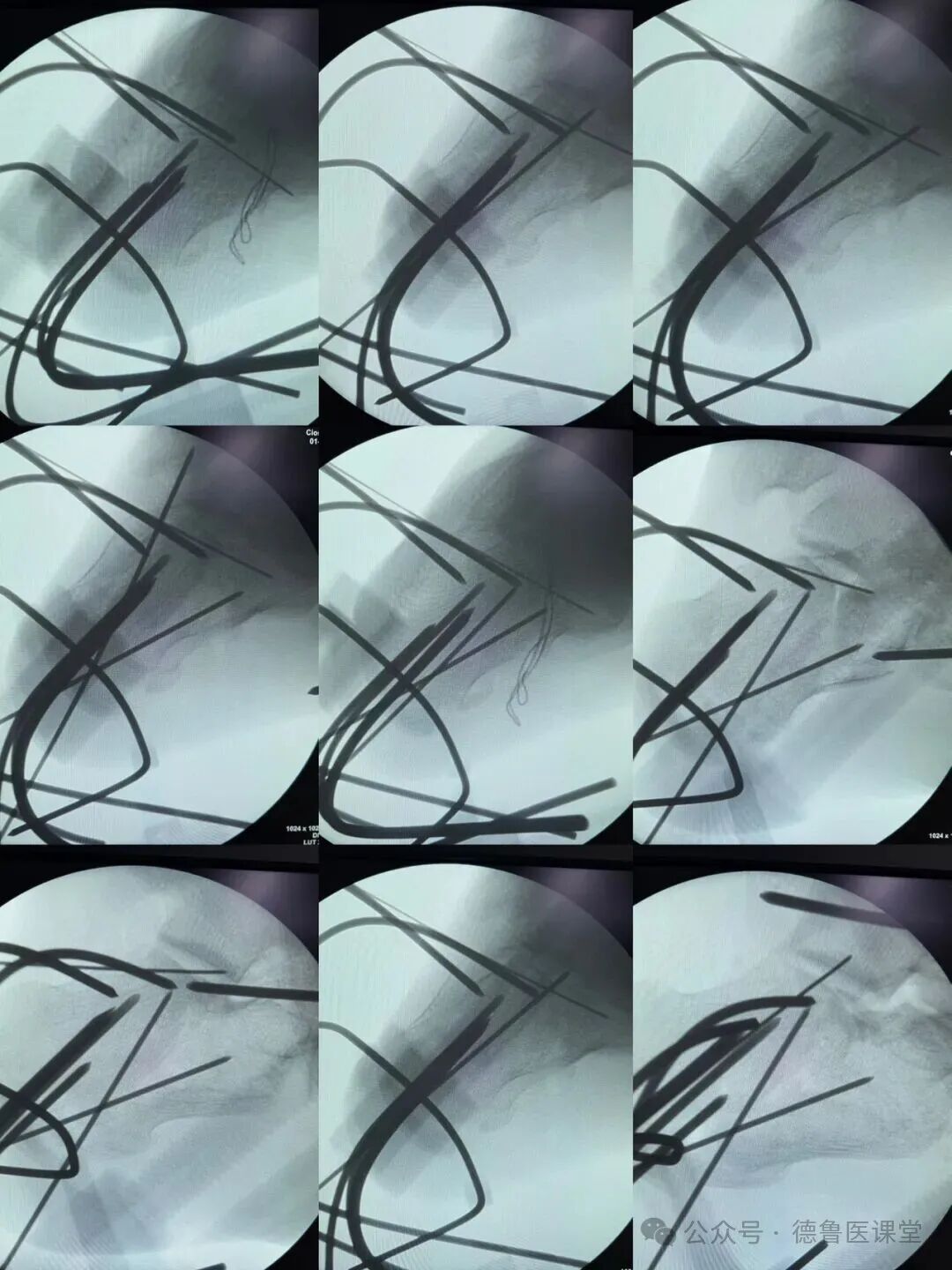
It is worthwhile to use multiple K-wires to achieve that 1-mm articular surface congruity.
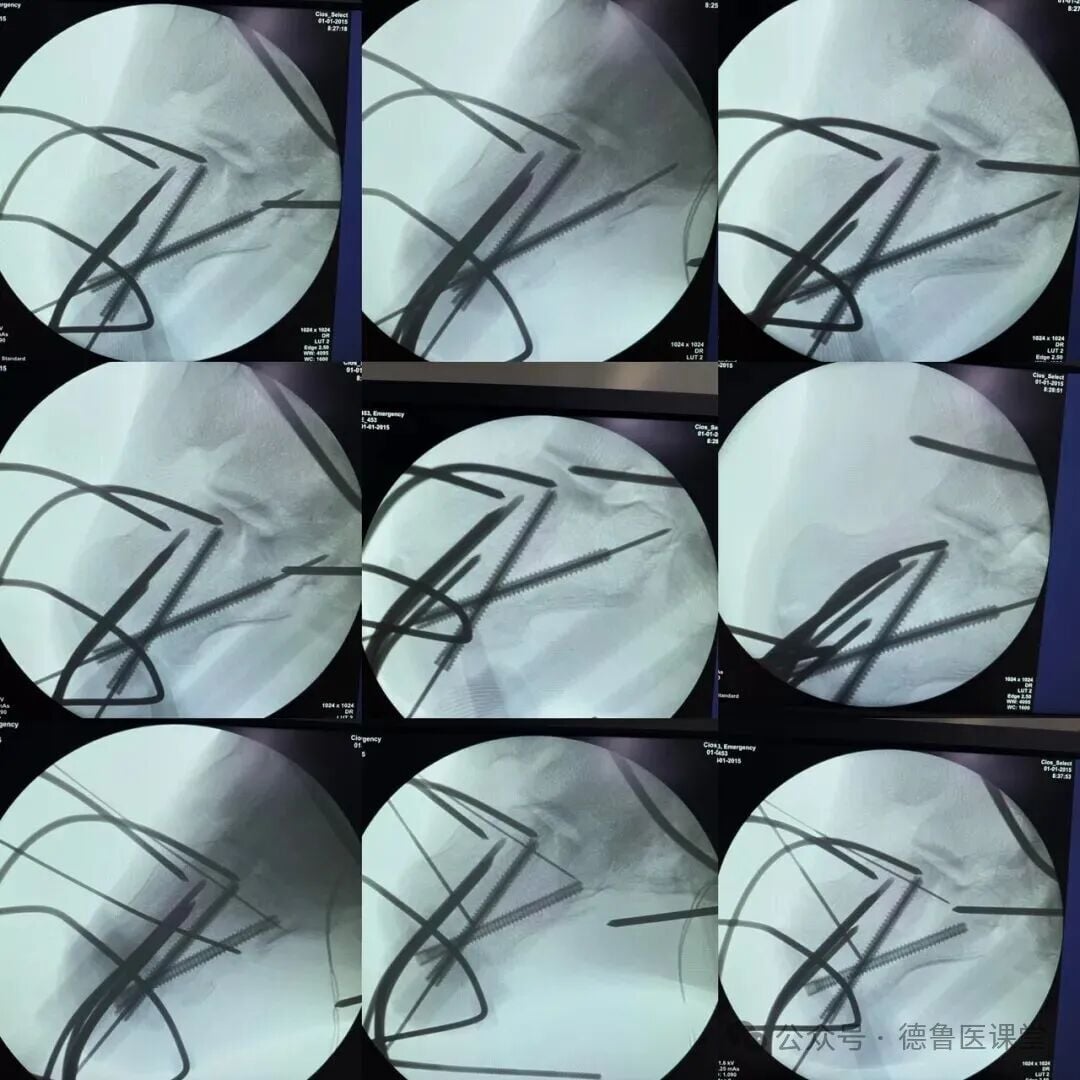
What is minimally invasive calcaneal surgery?
It is an approach that achieves anatomic reduction and stable internal fixation at the cost of minimal surgical trauma, thereby maximizing the therapeutic benefit for the patient.
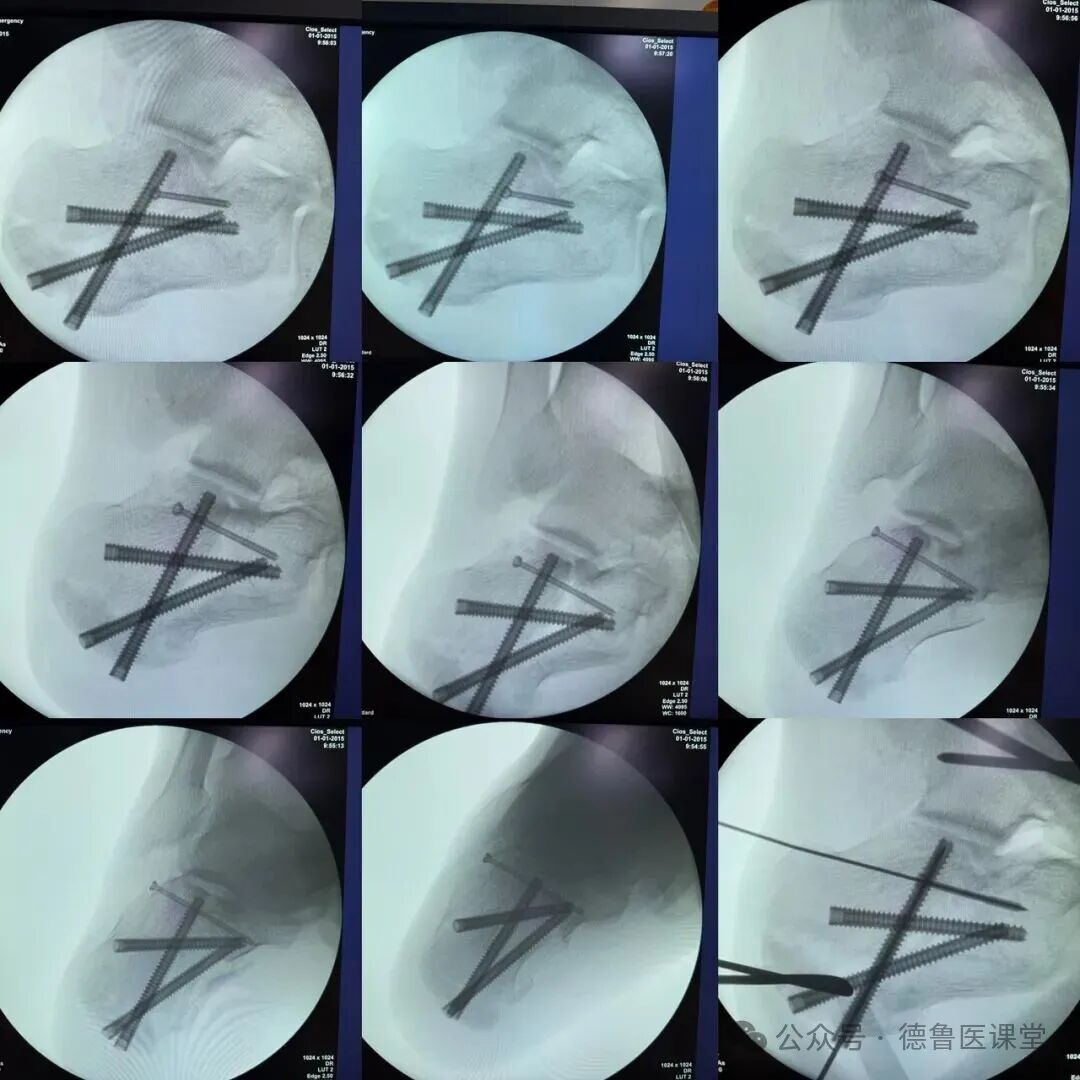
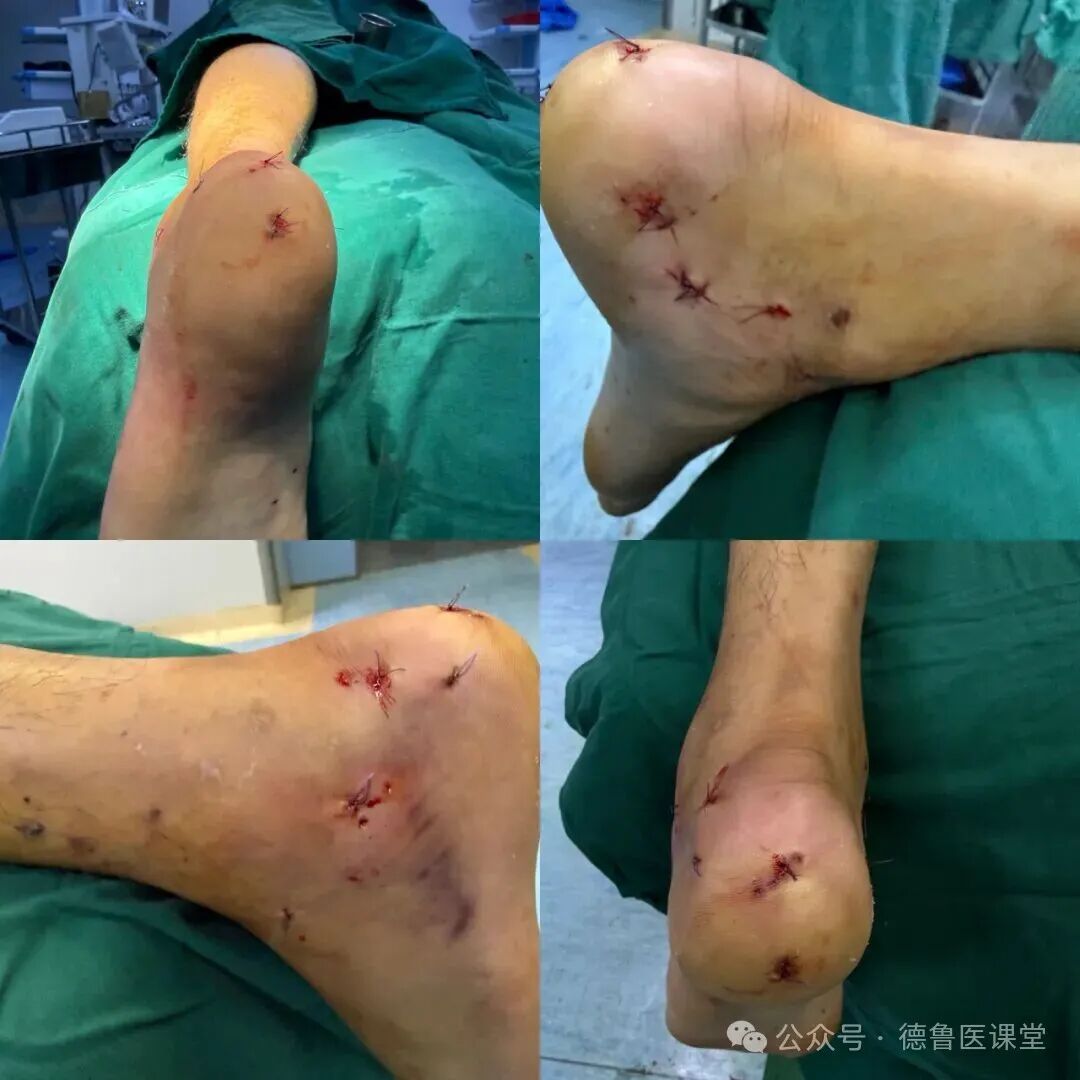
Advantages:
- No traditional large open incision
- Minimal trauma
- Satisfactory clinical outcomes
- Faster recovery
Postoperative CT: anatomic reduction achieved.
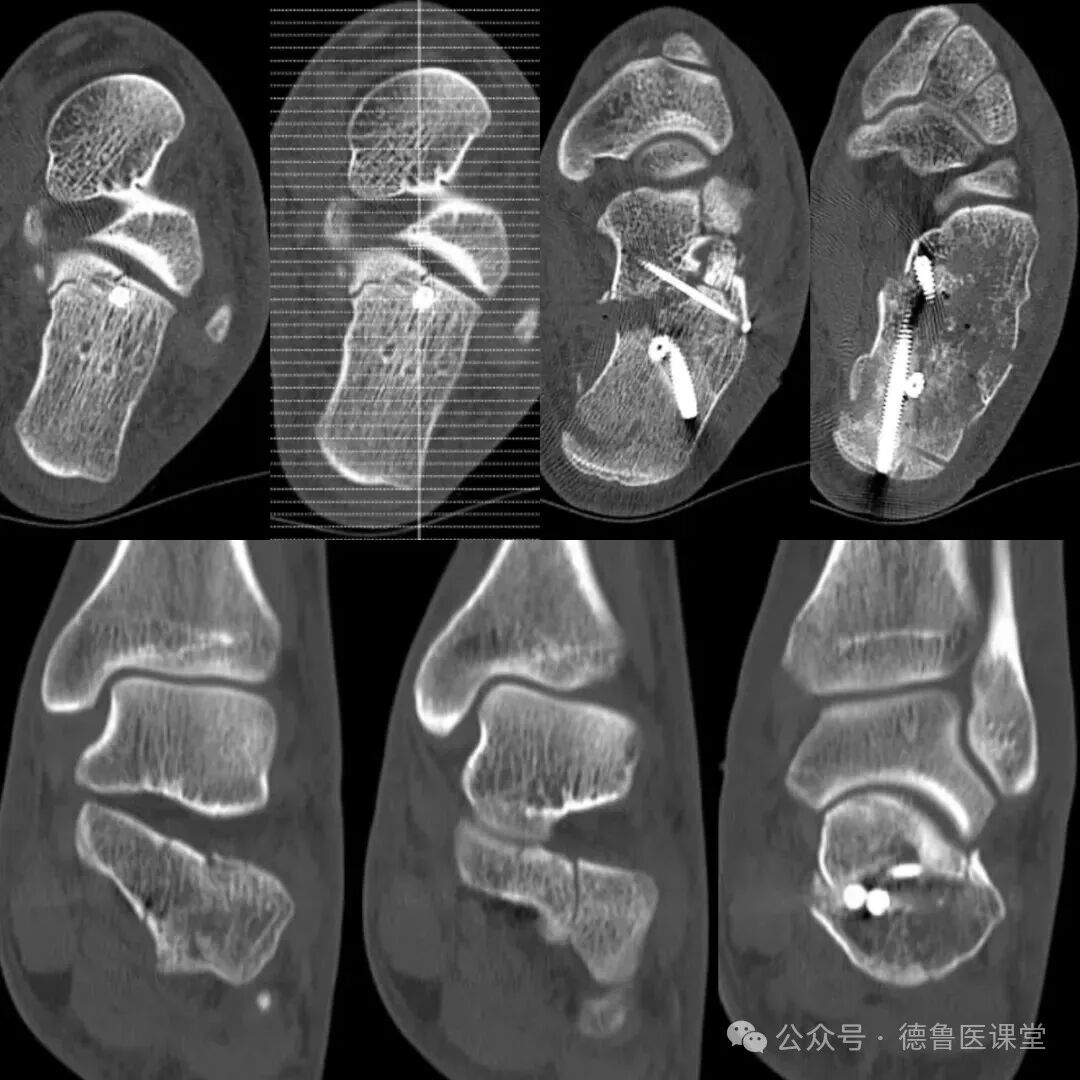
We believe that anatomic reduction via a minimally invasive approach will provide excellent outcomes for the patient.