EN
EN

Pin tract infection rate remains one of the most significant complications in external fixation therapy, affecting patient recovery timelines and clinical outcomes. Understanding the pin tract infection rate is essential for orthopaedic surgeons, trauma specialists, and fixation device manufacturers who seek to optimize treatment protocols. The pin tract infection rate varies considerably based on fixation duration, patient factors, and infection prevention measures, but current literature suggests rates typically range from 5% to 50% depending on assessment criteria and patient populations.
External fixation provides critical stability for complex fractures and orthopedic reconstruction, yet the pins penetrating skin and bone create a direct pathway for bacterial contamination. The pin tract infection rate directly correlates with fixation duration, insertion technique, and post-operative care protocols. By implementing evidence-based prevention strategies, healthcare providers can significantly reduce pin tract infection rate occurrences and improve patient safety outcomes throughout the healing process.
Understanding Pin Tract Infection Rate and Clinical Significance
Definition and Measurement of Pin Tract Infection Rate
Pin tract infection rate represents the percentage of patients developing infections at external fixation pin sites during or after treatment. The pin tract infection rate calculation typically divides the number of infected pin sites by total pin sites and multiplies by 100, though some studies measure by patient rather than individual pin sites. Different grading systems classify pin tract infections, with minor infections presenting as localized erythema and drainage, while severe infections may lead to osteomyelitis. Understanding how pin tract infection rate is calculated helps clinicians interpret literature findings and apply evidence-based practices to their own patient populations.
Clinical Impact and Complications
Elevated pin tract infection rate leads to substantial clinical consequences including delayed bone healing, increased treatment costs, and potential systemic infection. Patients with untreated or poorly managed pin tract infections face risks of chronic drainage, pin loosening, and even permanent skeletal damage requiring revision surgery. The pin tract infection rate directly impacts patient satisfaction, treatment duration, and overall healthcare expenditures. Early recognition of infection signs allows intervention before pin tract infection rate complications escalate, making prevention and monitoring critical components of external fixation management.
Evidence-Based Strategies to Reduce Pin Tract Infection Rate
Pin Insertion Technique and Device Selection
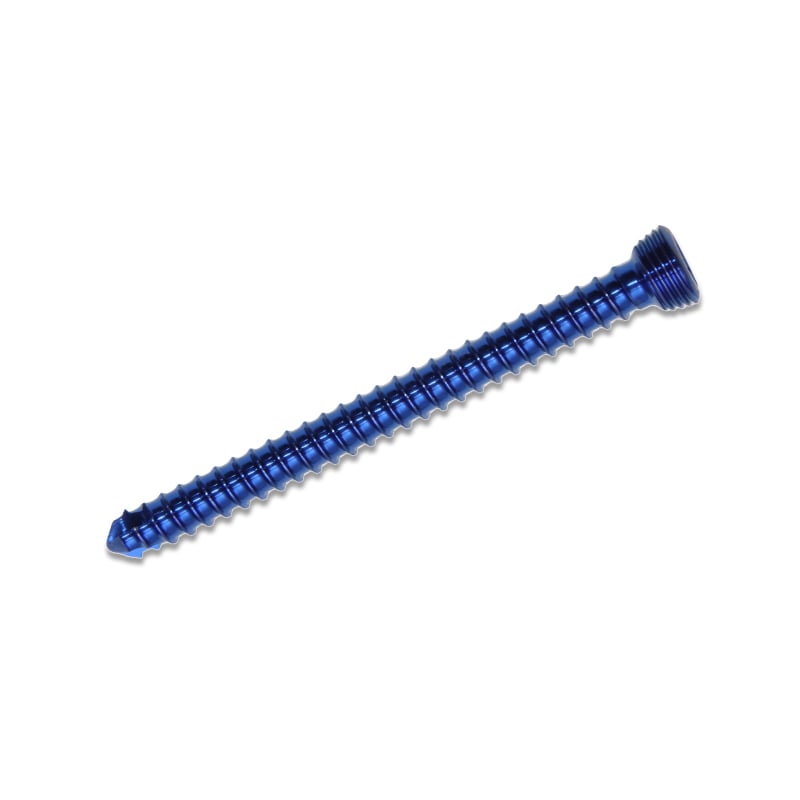
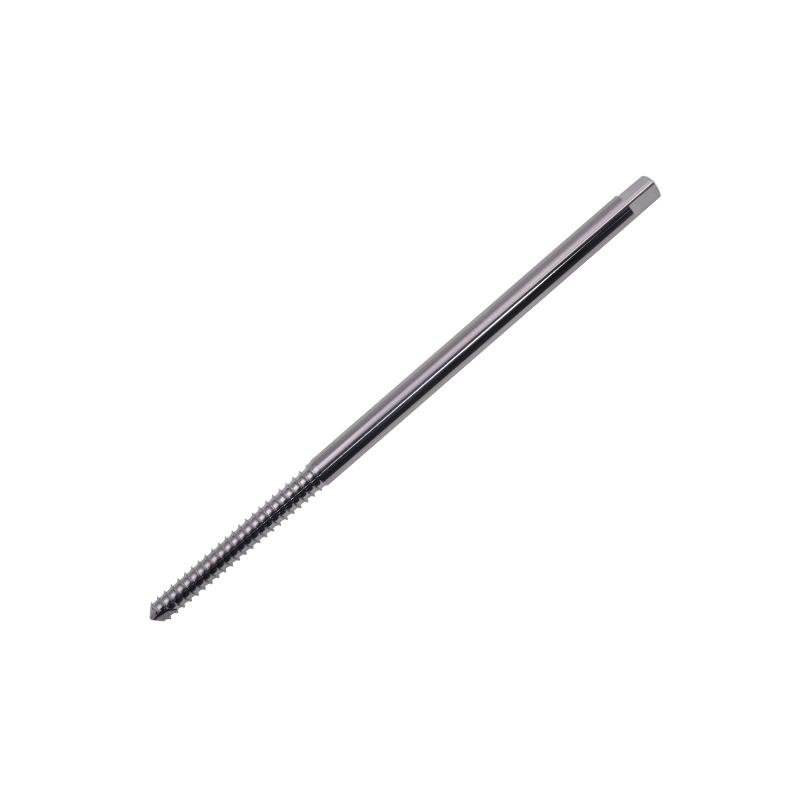
Proper insertion technique significantly influences pin tract infection rate outcomes by minimizing soft tissue damage and thermal necrosis at the insertion site. Low-speed drilling with controlled penetration reduces bone temperature elevation, which can compromise local immune function and increase pin tract infection rate susceptibility. Selecting pin tract infection rate-appropriate fixation devices with smooth surfaces and biocompatible materials reduces tissue irritation and colonization opportunities. Thread design, material composition, and surface finish of external fixator components influence bacterial adhesion and pin tract infection rate development, making device selection an important preventive consideration.
Rigorous Pin Site Care Protocols
Post-operative pin site management directly controls pin tract infection rate through consistent cleaning and dressing protocols. Daily or twice-daily cleaning with antiseptic solutions removes biofilm accumulation and reduces bacterial load at insertion sites, significantly lowering pin tract infection rate incidence. Healthcare providers should educate patients on proper home care techniques including saline rinses, chlorhexidine or hydrogen peroxide applications, and careful drying procedures. Maintaining dry pin sites between cleaning reduces pin tract infection rate by preventing moisture-dependent bacterial proliferation and fungal colonization that compromise healing.
Patient-Related Factors Affecting Pin Tract Infection Rate
Systemic Factors Influencing Infection Risk
Patient age, nutritional status, diabetes, and immunosuppression significantly modulate individual pin tract infection rate risk profiles. Elderly patients or those with compromised immune function experience elevated pin tract infection rate due to reduced local wound healing capacity and delayed immune response to bacterial colonization. Smoking impairs microvascular circulation around pin sites, substantially increasing pin tract infection rate compared to non-smoking populations. Patients with diabetes face higher pin tract infection rate risks from both hyperglycemia-induced immune dysfunction and compromised tissue healing, requiring intensified infection prevention protocols.
Fixation Duration and Pin Tract Infection Rate Relationship
Extended external fixation periods directly correlate with increased pin tract infection rate due to prolonged skin-pin interface compromise and biofilm development. Clinical data consistently demonstrates that pin tract infection rate escalates significantly after six weeks of fixation, making treatment duration minimization an important prevention strategy. Some studies report pin tract infection rate doubling with each additional month of external fixation duration, emphasizing the need for carefully planned fixation periods and timely transition to alternative stabilization methods. Balancing fixation duration against healing requirements requires clinical judgment to minimize cumulative pin tract infection rate exposure while maintaining adequate skeletal stability.
FAQ
What is considered a normal pin tract infection rate in clinical practice?
Clinical literature reports pin tract infection rate ranging from 5% to 50% across different studies, reflecting varied assessment criteria and patient populations. Minor pin tract infections affecting localized areas typically represent the lower end of this range, while more comprehensive infection definitions including all grades yield higher pin tract infection rate percentages. Most well-managed external fixation programs achieve pin tract infection rate below 15%, indicating that systematic prevention protocols effectively reduce this complication.
How frequently should pin sites be cleaned to minimize infection risk?
Clinical guidelines recommend daily pin site cleaning as the minimum standard to manage pin tract infection rate, though twice-daily protocols provide superior infection prevention in high-risk patients. Consistent cleaning protocols reduce pin tract infection rate by removing biofilm accumulation and cellular debris that encourage bacterial proliferation. Patient compliance with prescribed cleaning frequency significantly influences pin tract infection rate outcomes, making education and monitoring essential components of infection prevention programs.
Can antibiotics prevent pin tract infection rate complications?
Prophylactic systemic antibiotics provide limited benefit for preventing pin tract infection rate because bacteria colonize at pin sites before antibiotics achieve adequate local tissue concentrations. Some protocols utilize topical antibiotic ointments or impregnated dressings at insertion sites, though evidence supporting routine antibiotic prophylaxis remains mixed. The most effective pin tract infection rate prevention relies on mechanical removal of bacteria through meticulous site care rather than pharmacologic approaches alone, making technique and patient education priorities over antibiotic reliance.